 Ottoman Toys
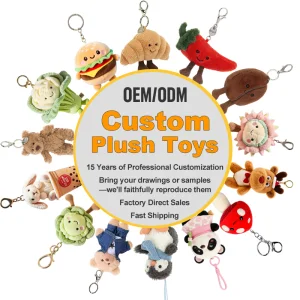
Tailored plush merchandise solutions matching the fast-paced cultural trends of Busan's major esports, anime, and retail enterprises.
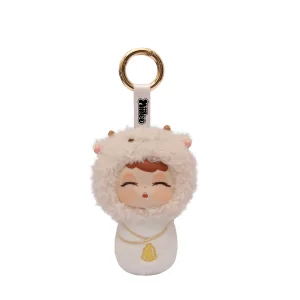
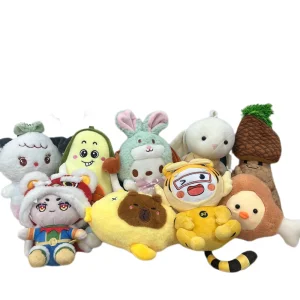
An Industrial Deep Dive into Soft Toy Production Engineering, Global Sourcing Logistics, and Localized Market Integration for Busan, South Korea.
The global anime merchandise segment has matured from basic novelties to high-collectible assets. For corporations in Busan—Korea's second-largest metropolis and a primary maritime hub—securing a direct line to a high-capacity custom plush manufacturer in Dongguan is critical to optimizing unit margins while upholding rigid safety benchmarks (KC Mark, EN71, BSCI).
Busan holds a distinctive posture within South Korea's cultural and entertainment architecture. As the permanent host of the G-STAR (Global Game Exhibition), the city serves as a primary deployment ground for leading gaming developers, Webtoon creators, and digital IP brokers. These firms leverage high-quality plush physical toys as essential companion merchandise to digital rollouts. From local municipal mascots like "Boogi" to competitive esports character figures, the demand for localized plush distribution in Busan requires swift manufacturing turnarounds and direct seaport logistics through the Port of Busan.
Furthermore, Busan’s emerging retail hotspots, including Nampo-dong, Seomyeon, and Millak Waterfront Park, are key consumer bases for high-end character goods. Unlike standard commodity toys, plush products bound for the South Korean market must meet stringent chemical and physical safety parameters governed by the Korea Certification (KC) protocols. Navigating this compliance matrix requires manufacturers to have deep technical knowledge of synthetic textiles, heavy metal testing, and seam strength engineering.
Global supply chain dynamics in the soft toy sector are shifting toward integrated vertical production. Historically, brands faced fragmented cycles: design agencies, fabric merchants, stitching workshops, and independent auditing bodies operated in isolation. Modern plush manufacturing integrates these phases under a single quality control standard. This minimizes color variances, misalignment in embroidery, and structural integrity failures during mass vacuum packing.
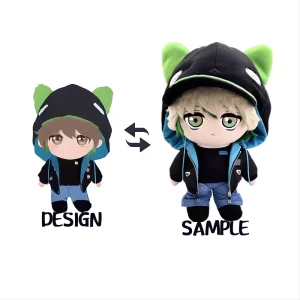
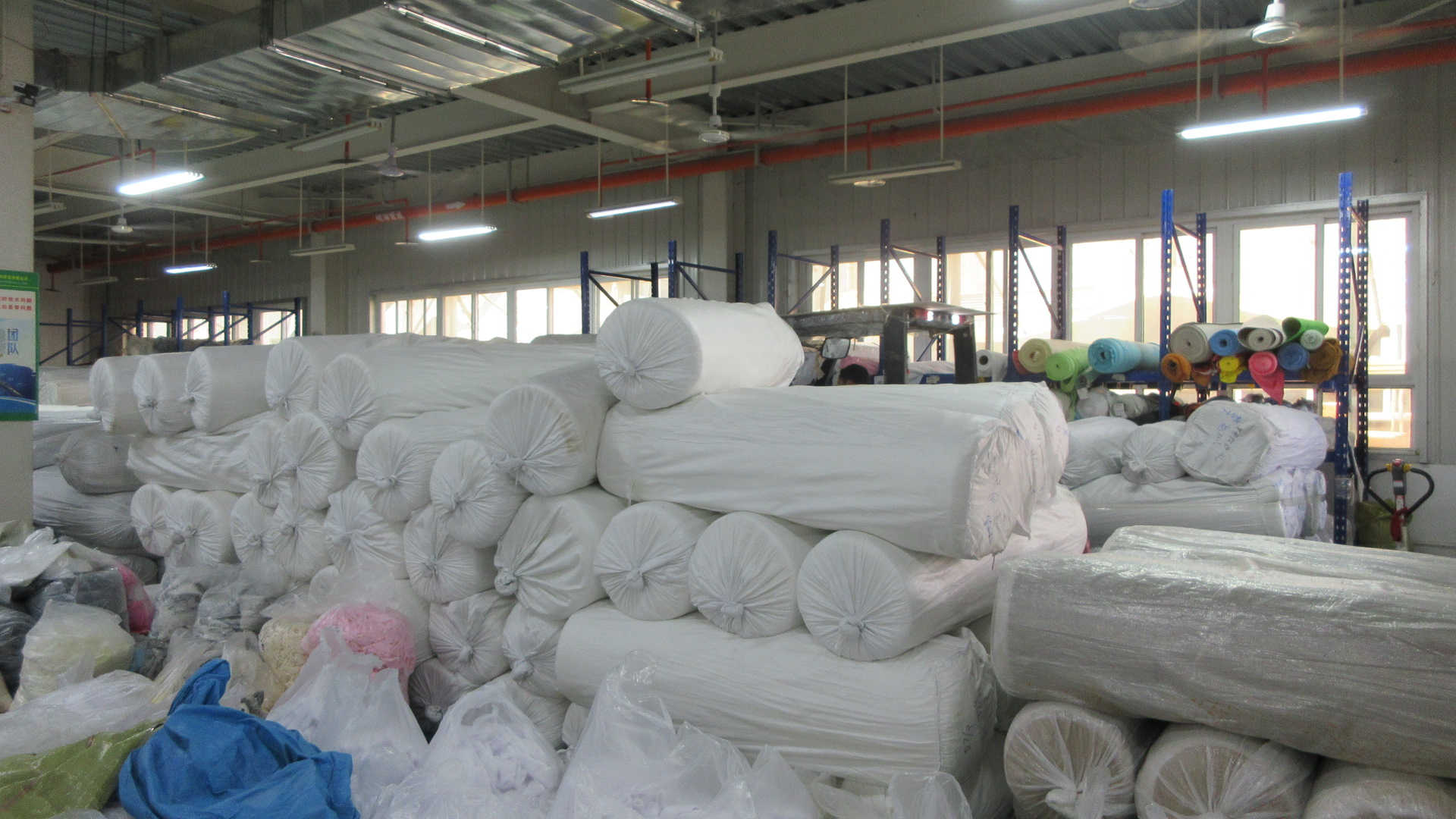
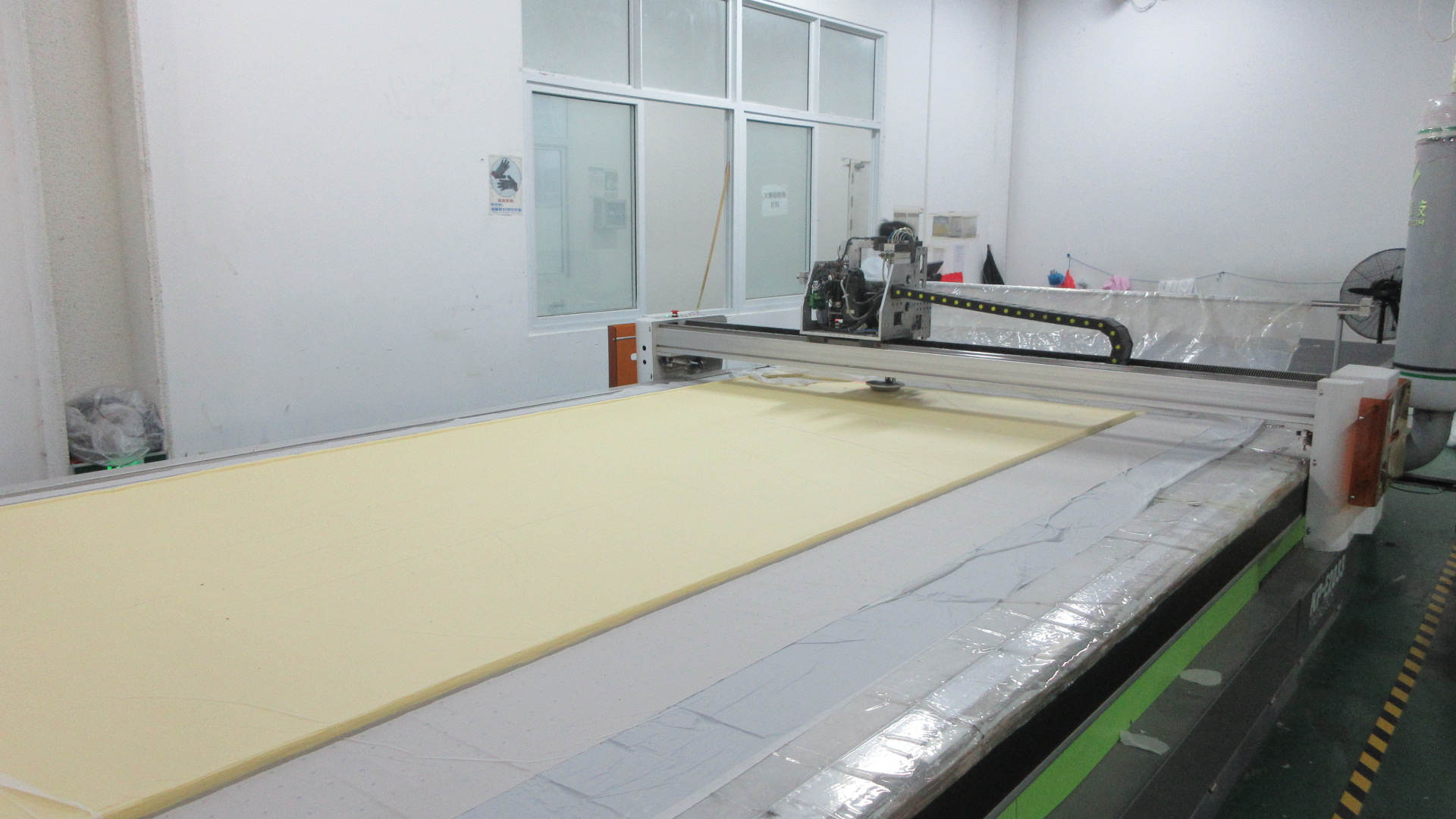
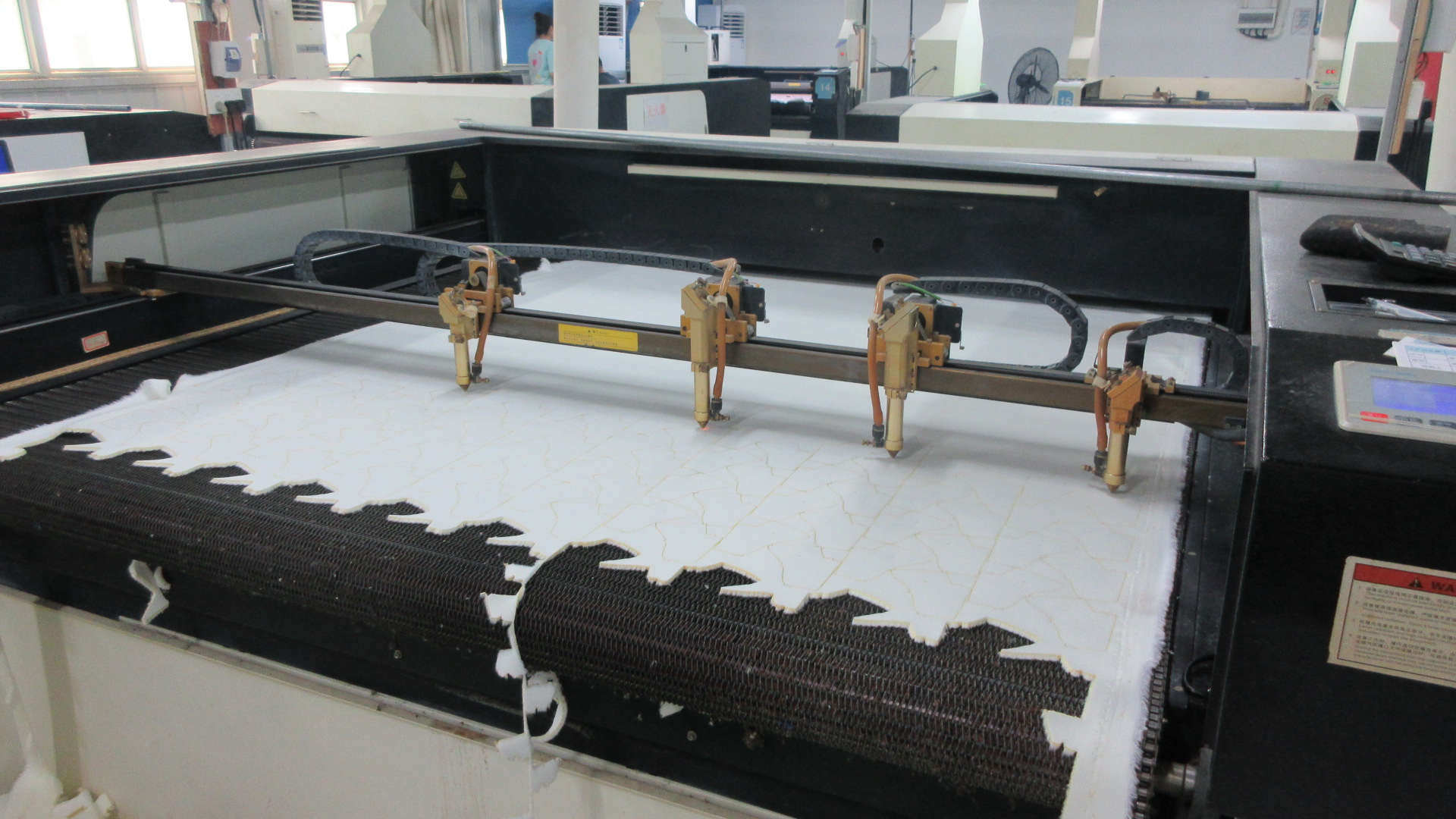
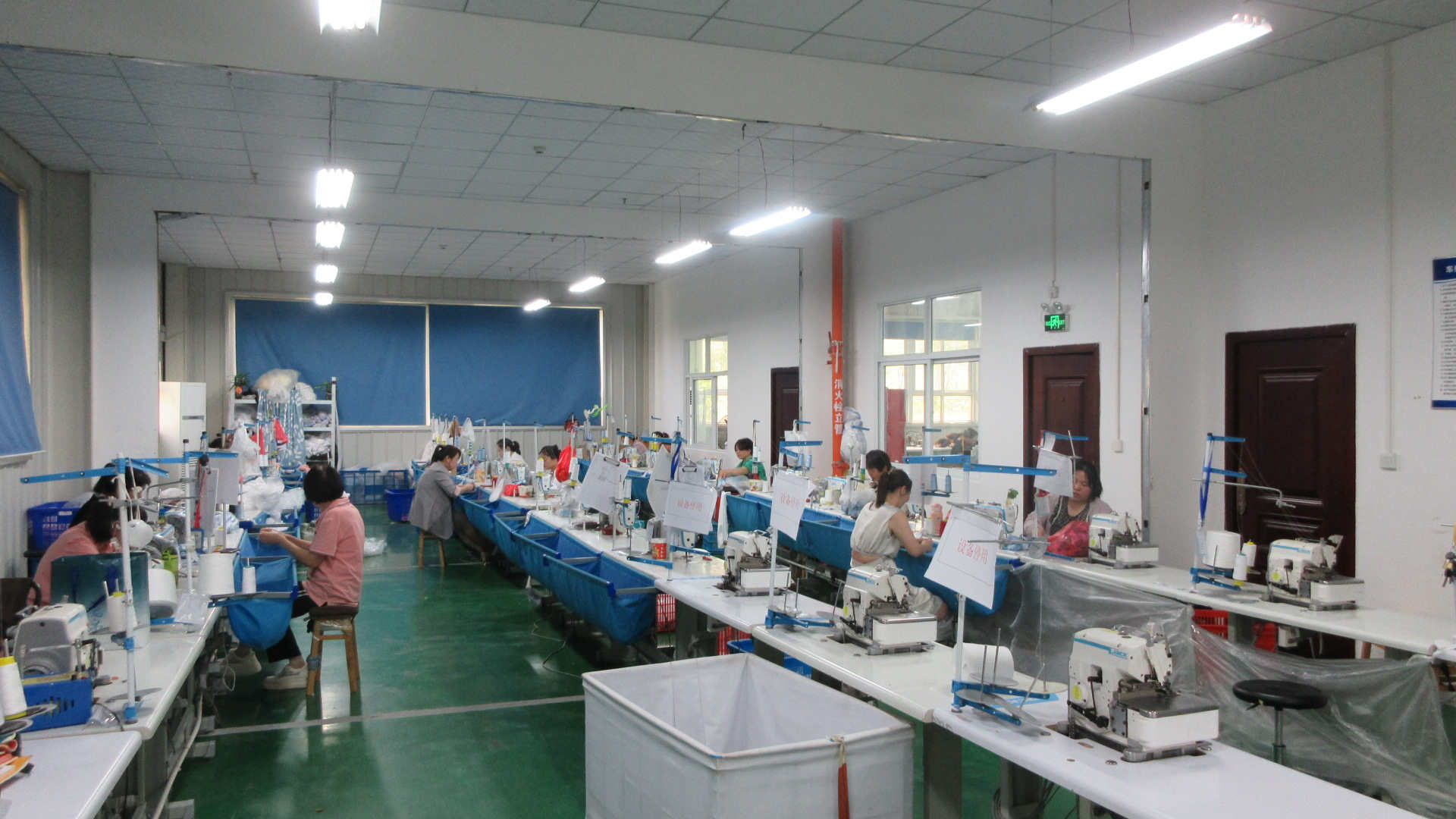
Our operational model at Dongguan Ottoman Toys Co., Ltd. addresses these supply bottlenecks. By maintaining in-house design, printing, automated laser cutting, and multi-stage metal detection at our 10,000㎡ facility, we compress the transition from CAD designs to physical production samples. This system is crucial for global entities seeking to align physical product releases with digital media launches, maintaining brand consistency across all touchpoints.
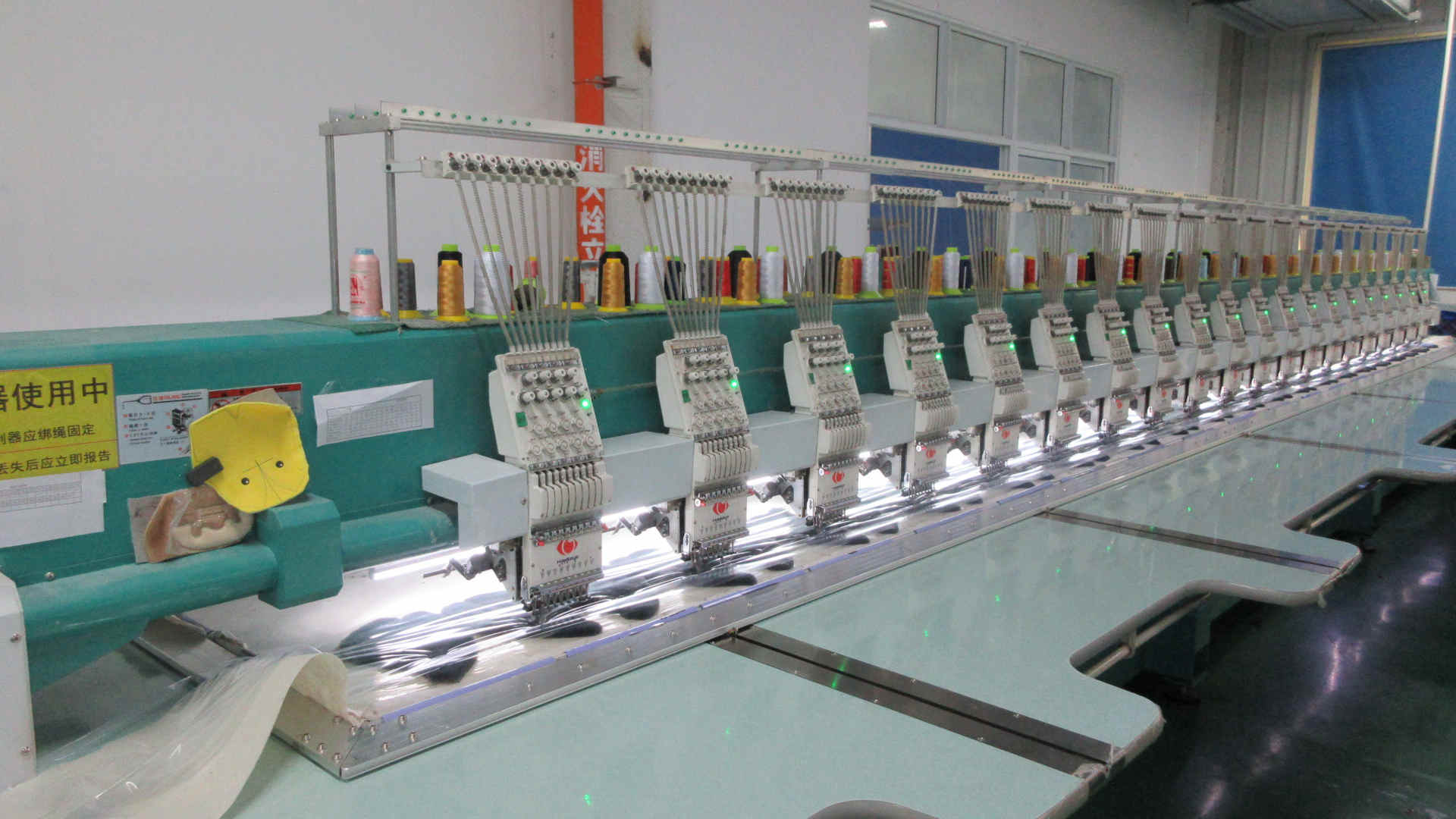
High-fidelity anime plushies require precise raw material selection to match the source artwork's character aesthetics. We utilize a range of technical pile fabrics, including Super-Soft Crystal Velboa, South Korean PV Fleece, and high-denier micro-plush. These materials provide high pile density, soft hand-feel, and minimal fiber shedding. Sublimation printing and multi-axis embroidery allow us to reproduce intricate face graphics and complex clothing gradients down to the millimeter.
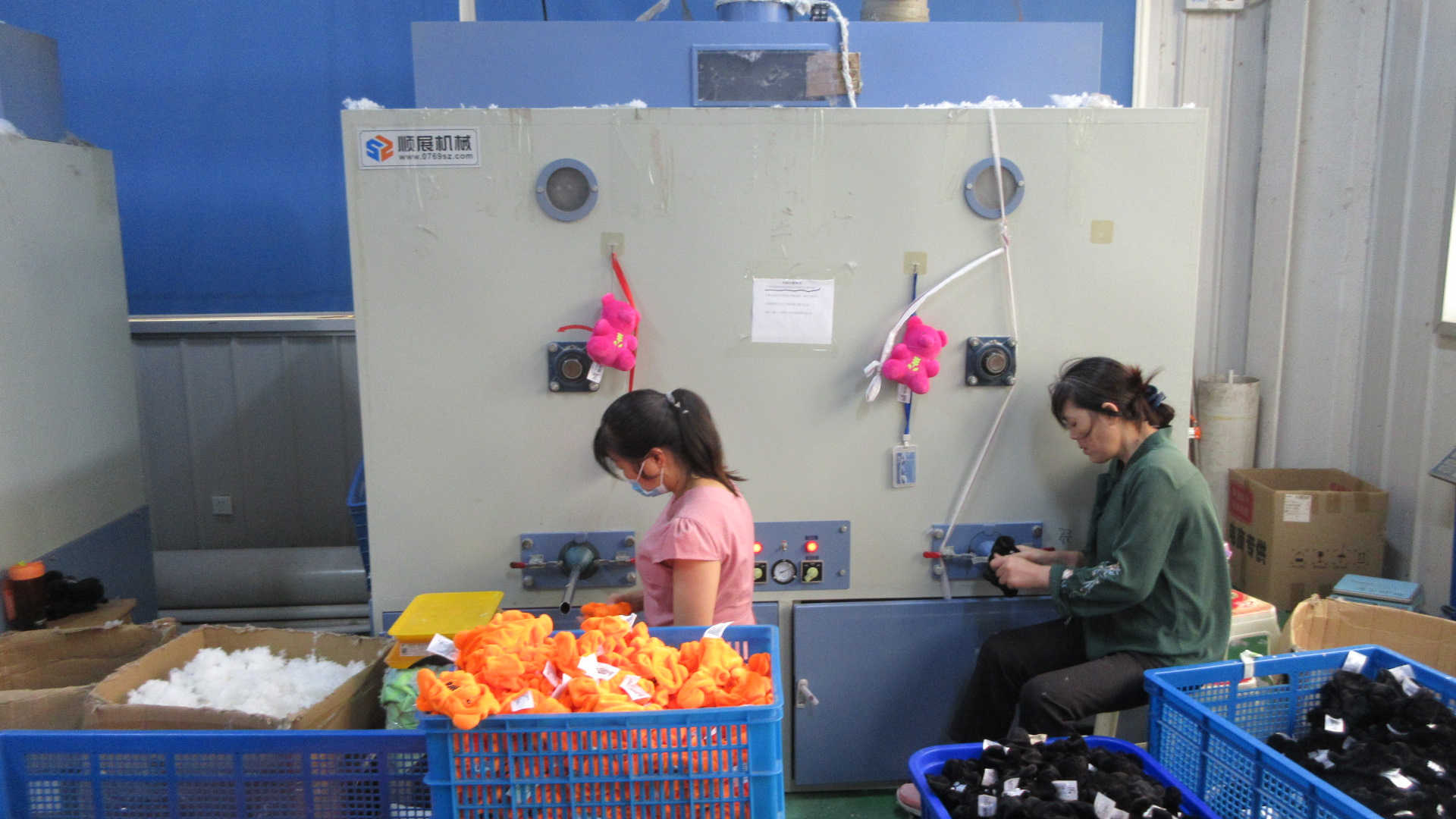
Our internal filling processes utilize premium, non-regenerated 7D/15D PP Cotton. This material offers high resilience, ensuring the plush maintains its structural shape even after high-pressure vacuum packing for international transit. For brands prioritizing green supply chains, we offer Global Recycled Standard (GRS) certified polyester fillings and Forest Stewardship Council (FSC) packaging components, allowing partners to align their physical merchandise with sustainability mandates.
Dongguan Ottoman Toys Co., Ltd. operates in compliance with international social responsibility and safety standards. Our manufacturing lines carry active compliance audits: EN71, ITU Compliance, BSCI, GRS, FSC, ISO 9001, and Sedex.
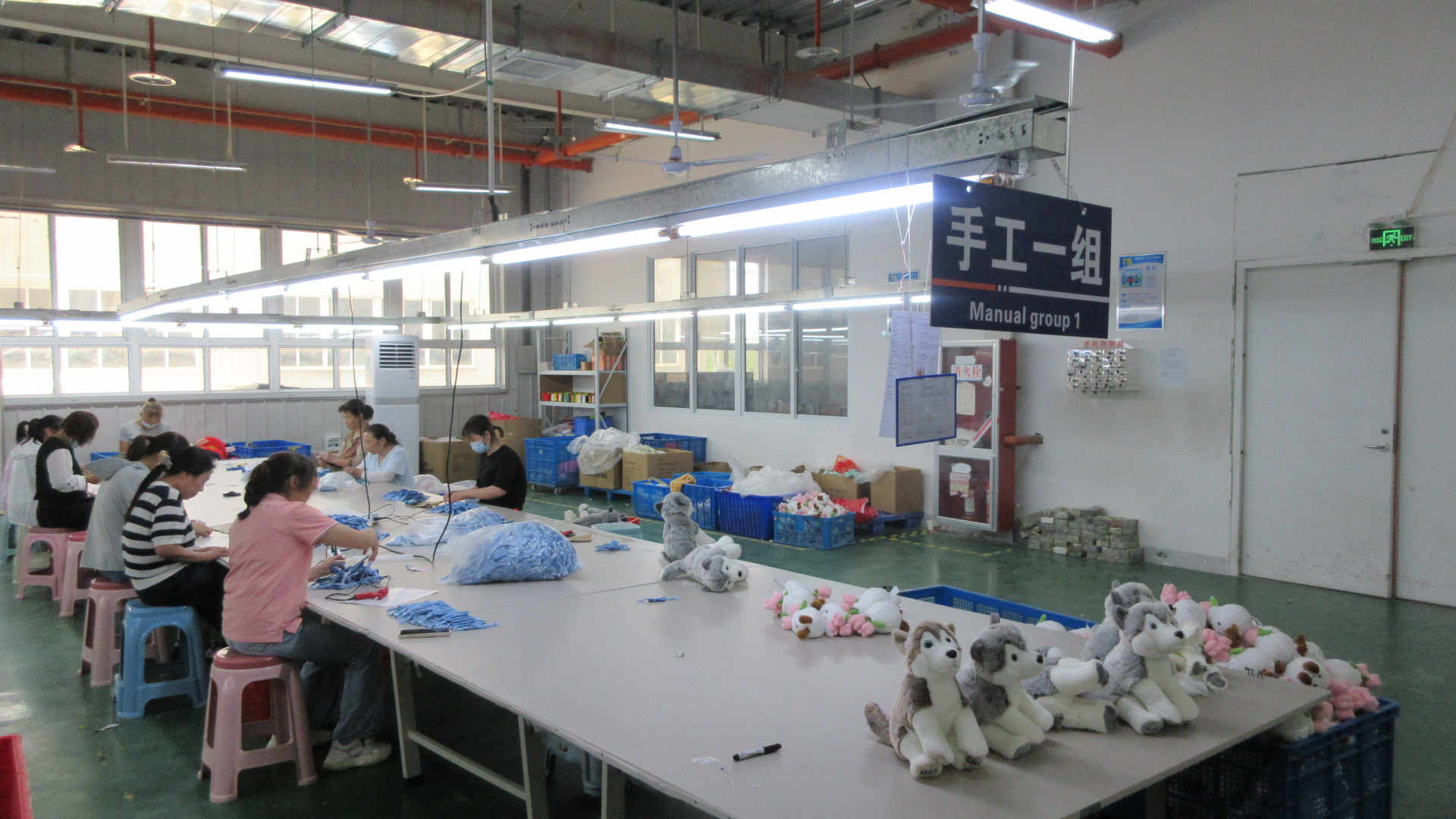
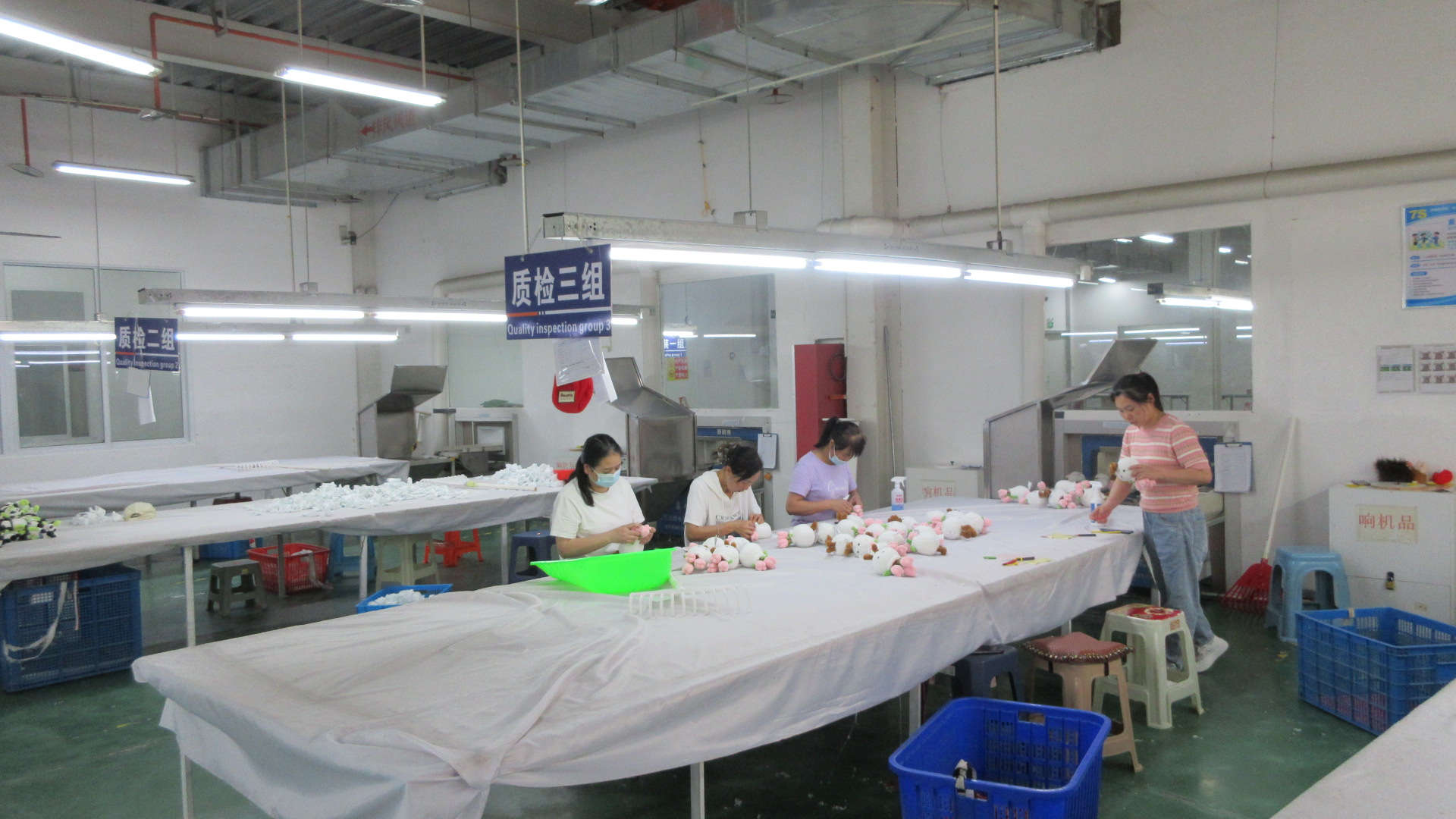
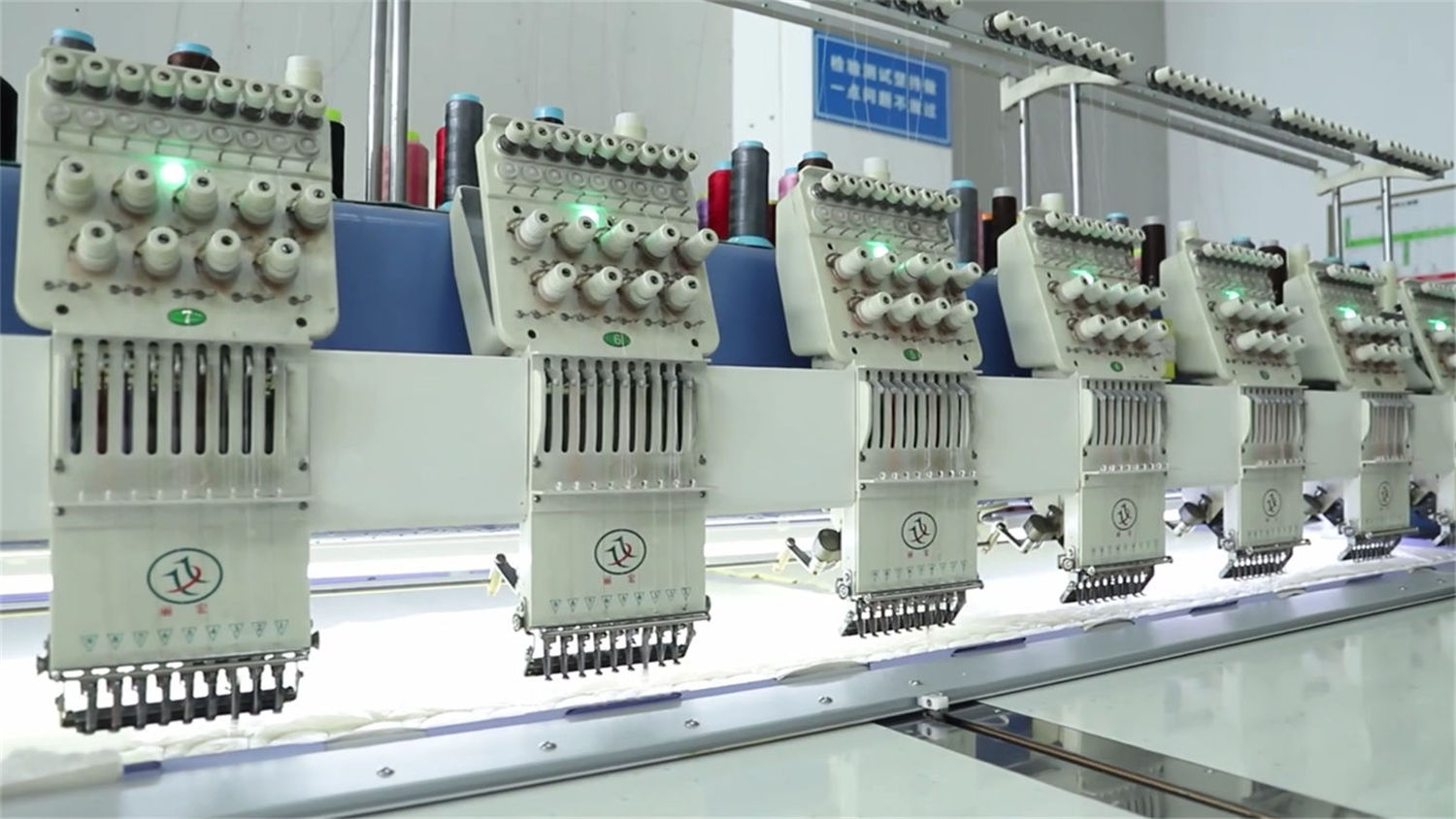
An end-to-end overview of our physical manufacturing processes, showing how we transform raw textiles into retail-ready plush collectibles.
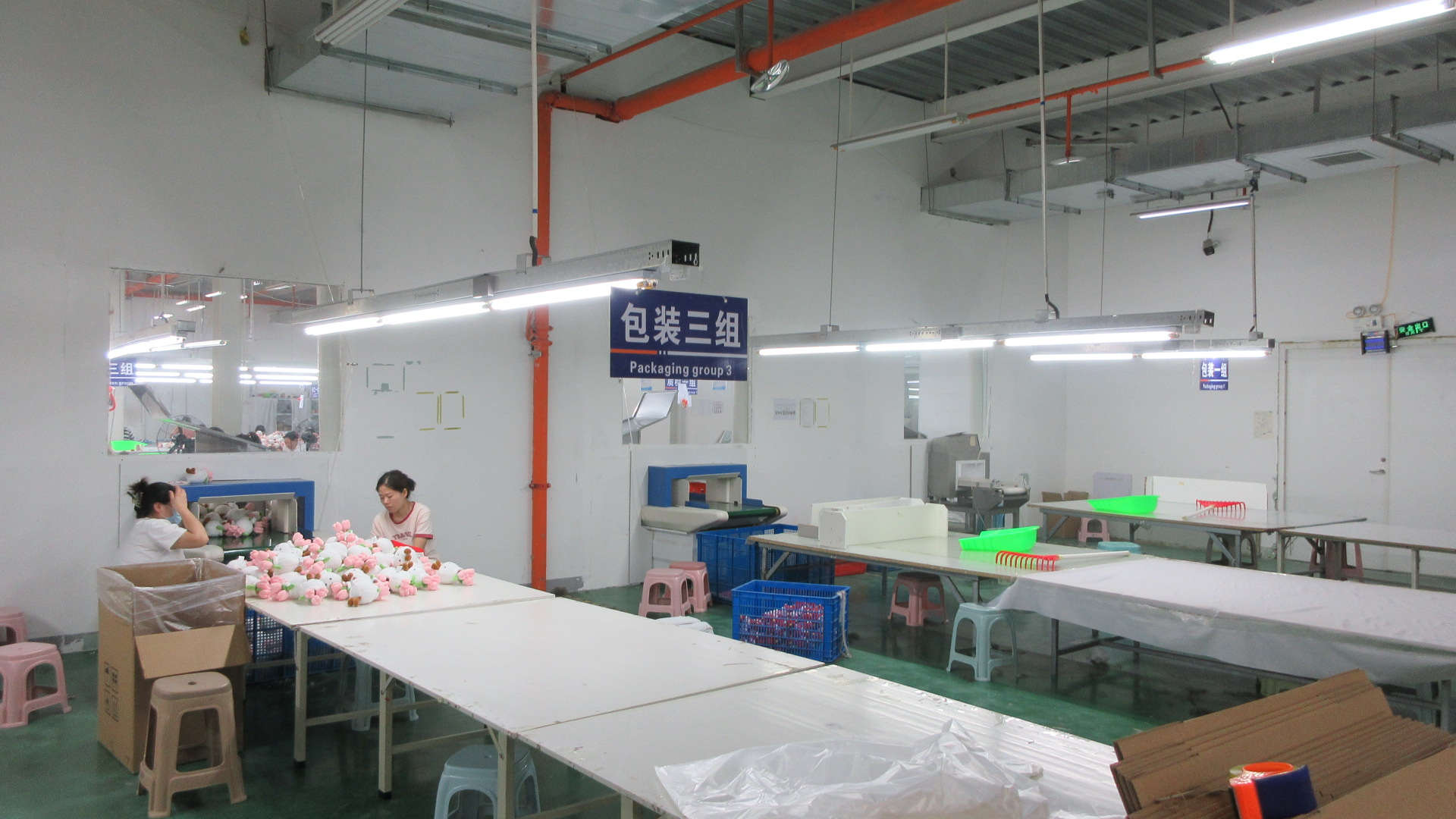
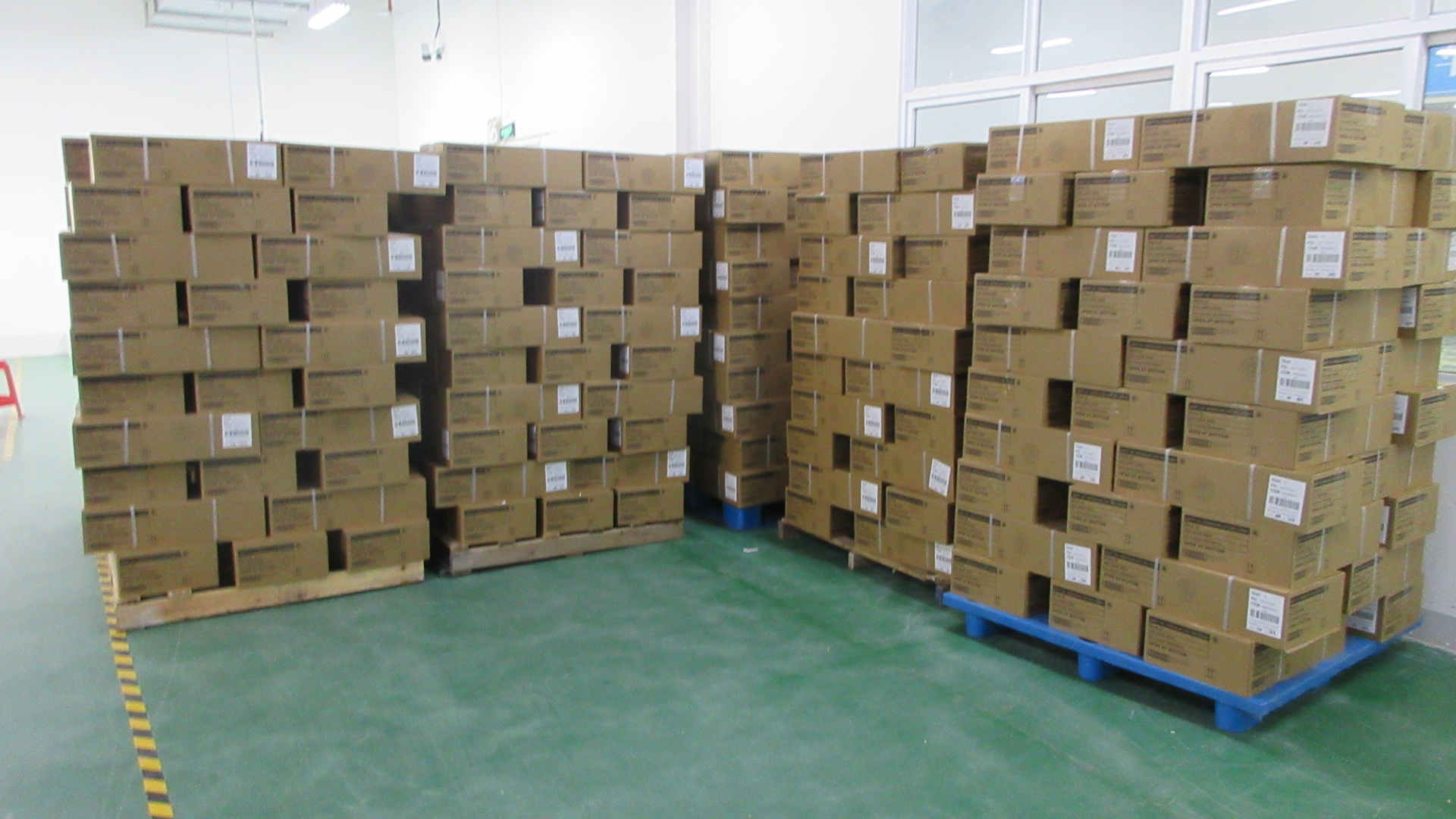
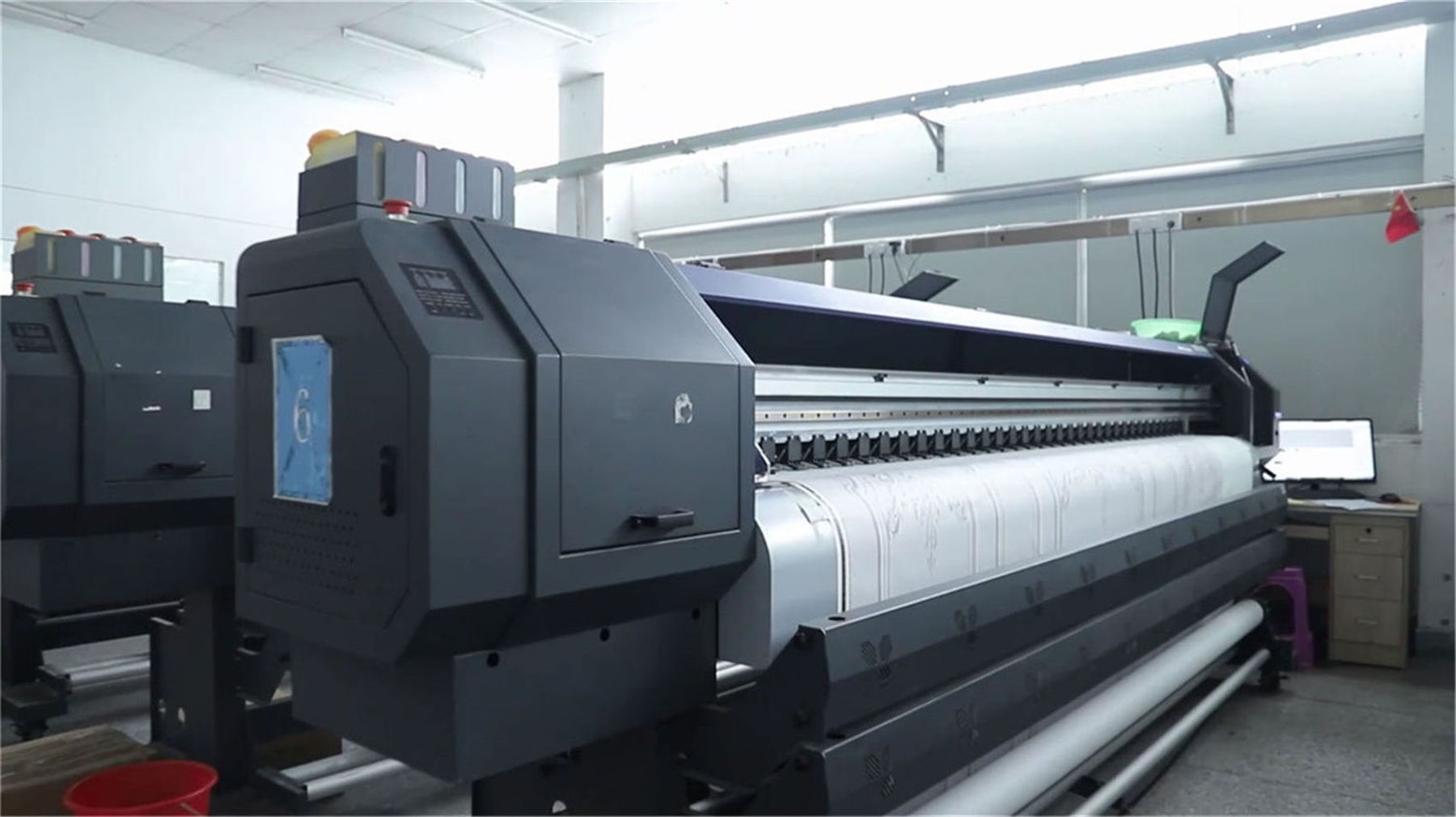
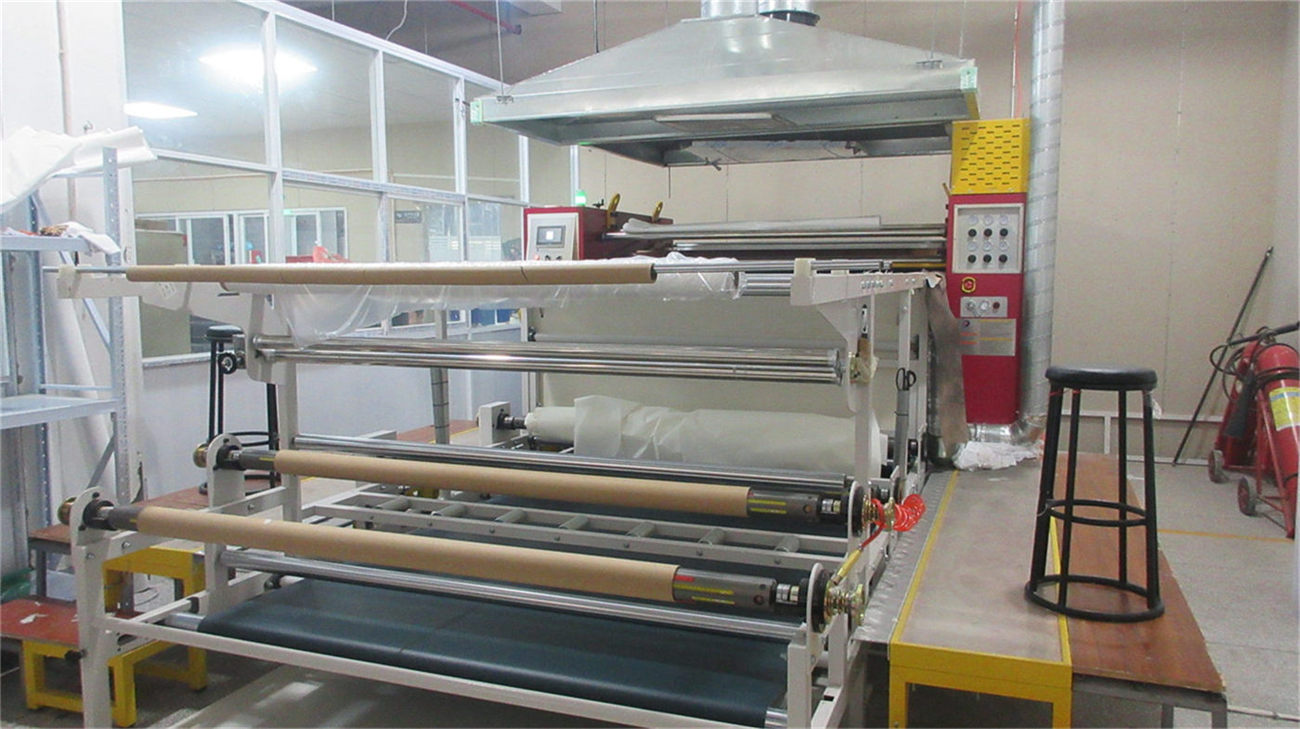
For operations based in Busan, shipping delays can impact merchandising campaigns tied to conventions or anime releases. Operating out of Dongguan (Guangdong Province) offers geographical proximity, situated near key trade hubs in Shenzhen and Guangzhou. Ocean freight from Shenzhen Port to the Port of Busan typically ranges between 3 to 5 transit days. This route offers a faster shipping alternative compared to North American or European destinations, reducing transit times and inventory holding costs.
Our logistics team handles the documentation required for seamless customs clearance. This includes generating detailed Commercial Invoices, Packing Lists, Certificates of Origin (under the China-Korea FTA to minimize duty impact), and verified test reports confirming compliance with Korea’s Special Act on Safety of Children’s Products. This regulatory readiness helps prevent custom seizures or testing delays upon arrival in Korea.
Our custom anime plush solutions are configured to support several core marketing and commercial channels within the Korean peninsula:
Critical engineering and logistics information for purchasing agents, procurement managers, and IP owners.
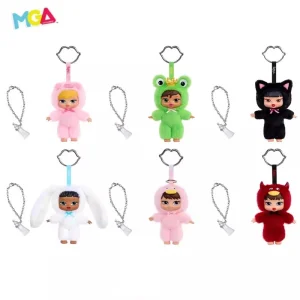
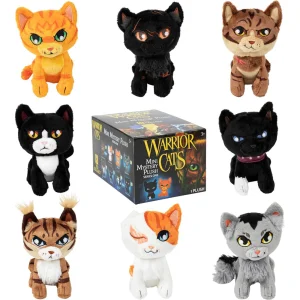
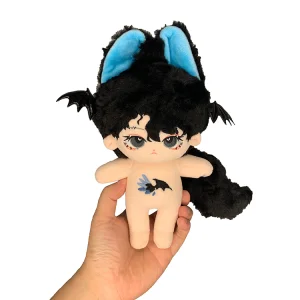
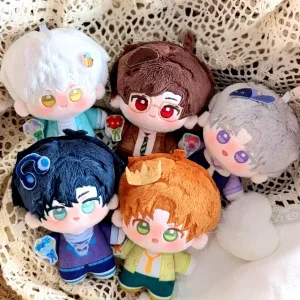
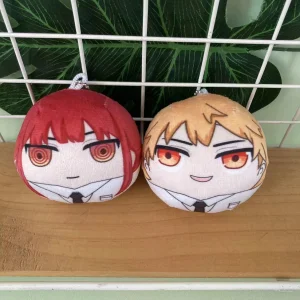
A comprehensive selection of customizable models, from retail blind box mini-figures to large-format plush collectibles.
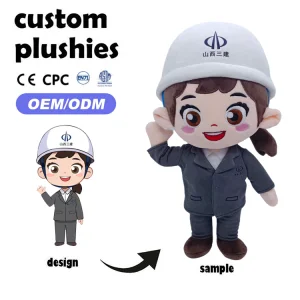
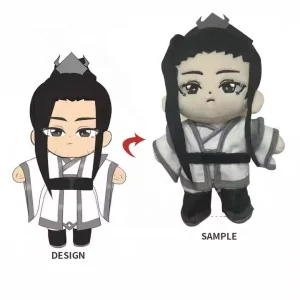
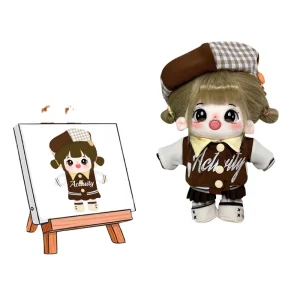
The manufacturing process for plush toys is incorporating digital prototyping technologies. Standard practices often require manual clay modeling or flat 2D vector patterns, which can lead to structural variances during scaling. We are integrating 3D CAD modeling software with digital nesting algorithms to convert 3D character designs directly into precise 2D cutting patterns. This reduces design iterations, ensures accurate physical proportions, and minimizes textile waste during laser cutting.
In addition, advanced testing protocols now use digital tensile testing equipment to verify seam strength at every stress point. For high-volume projects shipped to South Korea or global distribution networks, these quality control measures help ensure the products remain durable and safe throughout their shelf life.