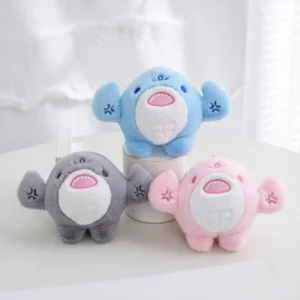
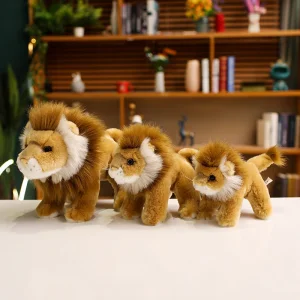
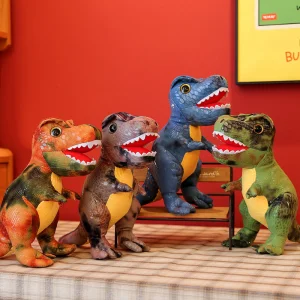
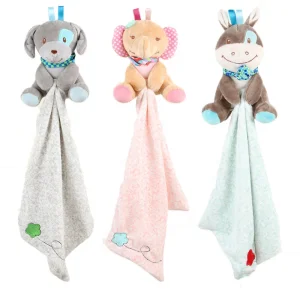
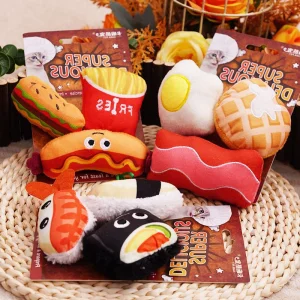
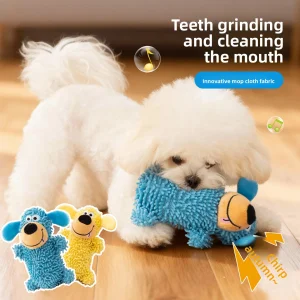
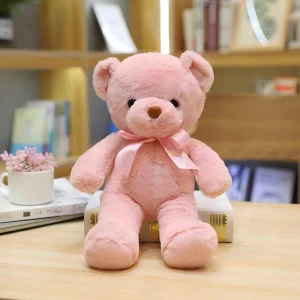
The global education market is witnessing a paradigm shift from purely digital interfaces back to tactile, sensorial learning experiences. Plush learning cards, once a niche segment, have emerged as a cornerstone in Early Childhood Education (ECE). Unlike traditional paper flashcards, plush learning cards offer a multi-dimensional approach: they are safe, durable, washable, and provide the comfort necessary for high-frequency interaction with toddlers.
In the post-pandemic era, parents and educators are increasingly concerned about "screen fatigue." This has driven a 15% year-over-year increase in demand for "Soft Tech" educational toys. Industry reports suggest that the global soft educational toy market will surpass $3.5 billion by 2027, with plush learning cards being a primary driver in the language and motor skills categories.
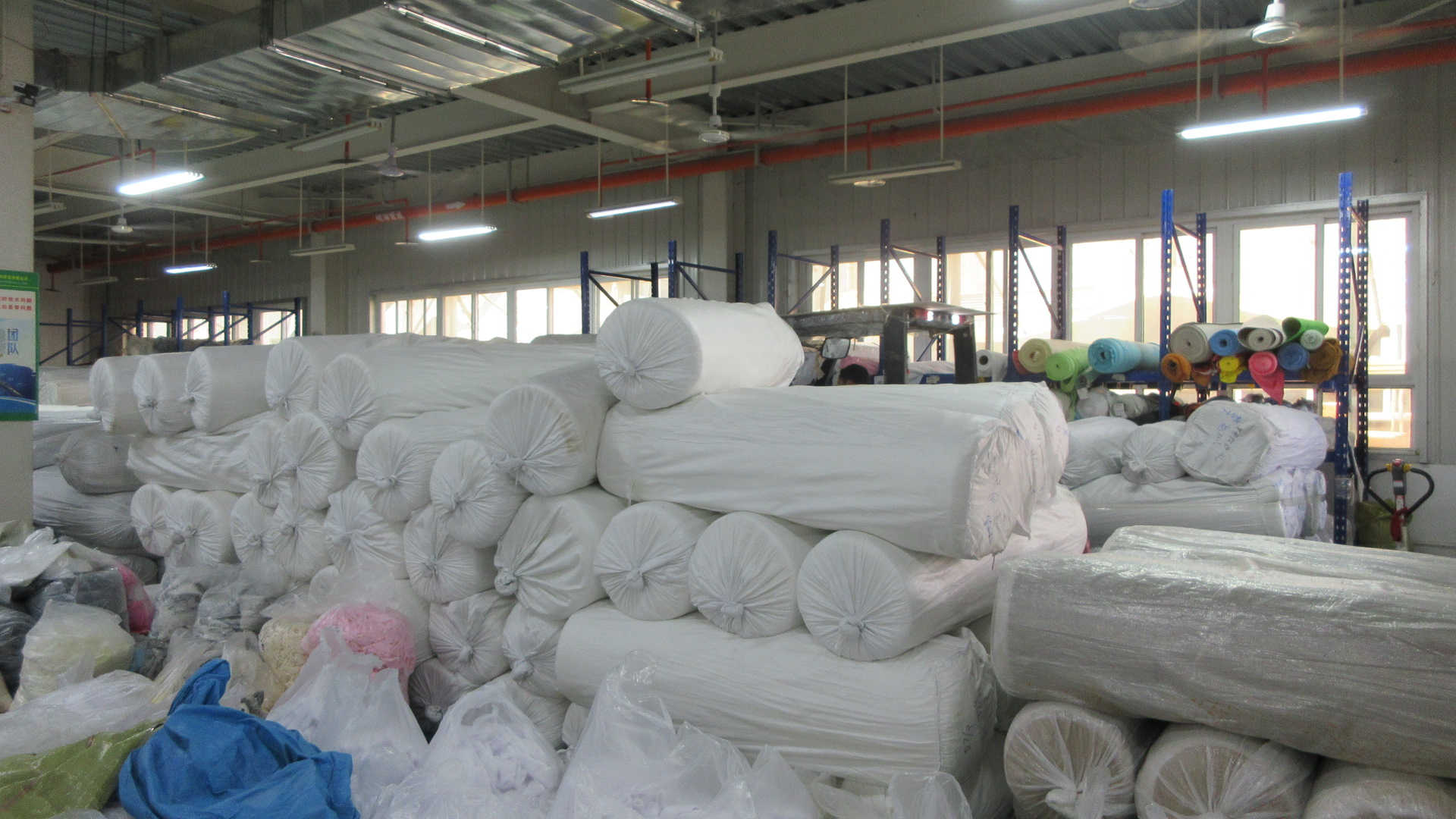
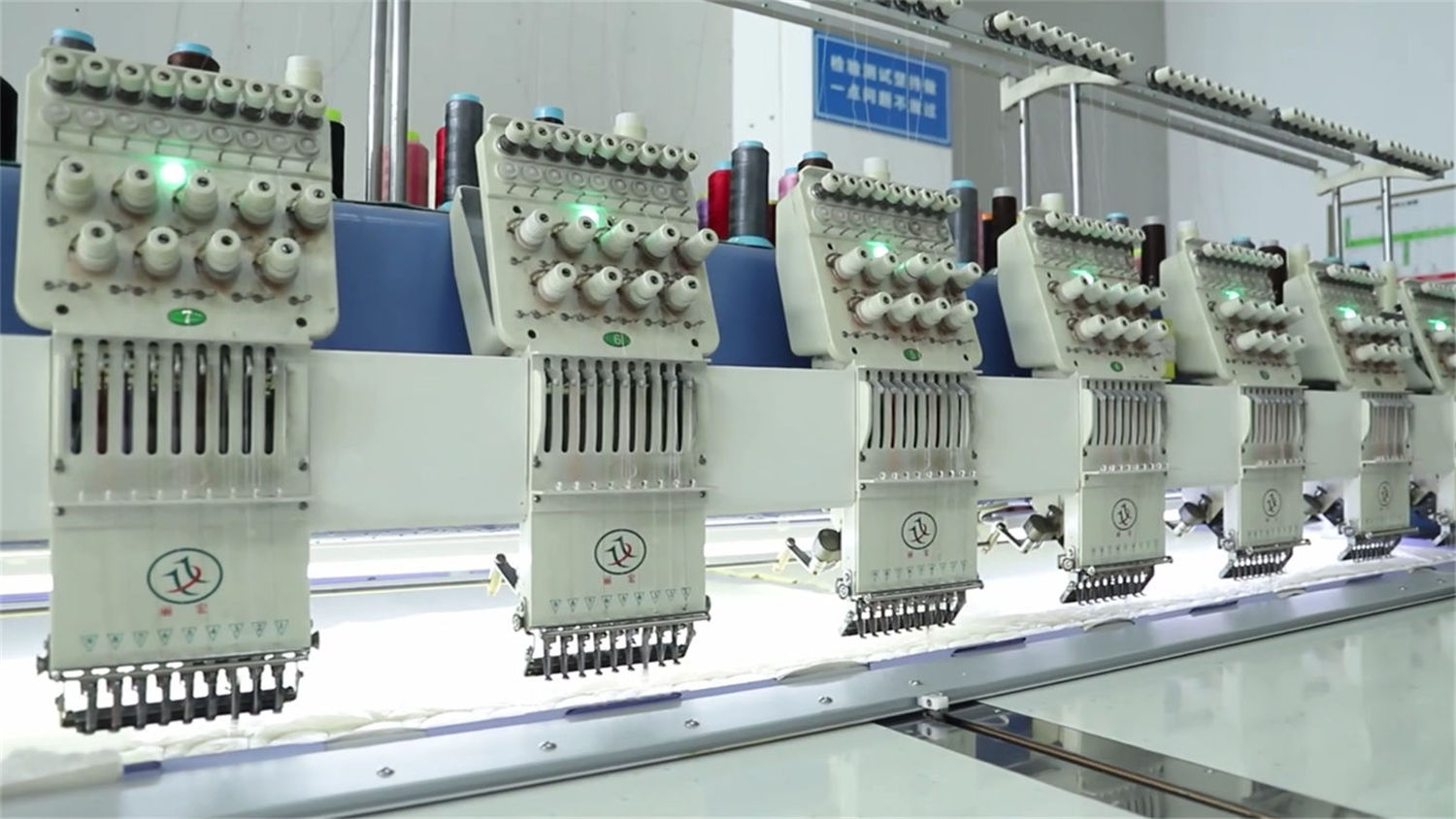
China, particularly the Dongguan region, hosts the world's most concentrated plush manufacturing ecosystem. From raw fabric weaving to high-precision embroidery and safe-dyeing plants, every component of a plush learning card is sourced within a 50km radius. This reduces lead times by 30% compared to other manufacturing hubs.
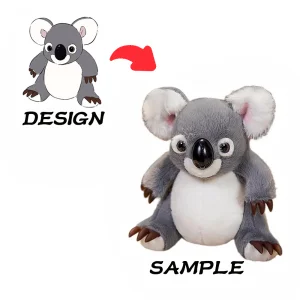
With 23+ in-house designers, factories like Ottoman Toys can transform a 2D pedagogical concept into a 3D plush sample in less than 7 days. This agility is crucial for educational brands needing to iterate curriculum-based designs quickly.
Modern Chinese factories are no longer just "low-cost" centers; they are quality leaders. Adhering to EN71, ASTM F963, and ISO 9001, these facilities utilize metal detection and tension testing to ensure zero-risk products for infants.
Dongguan Ottoman Toys Co., Ltd. is a professional custom plush toy manufacturer with over 20 years of industry experience. The company operates three modern factories and is dedicated to producing high-quality plush toys for global clients, offering both custom plush toy development and wholesale supply solutions.
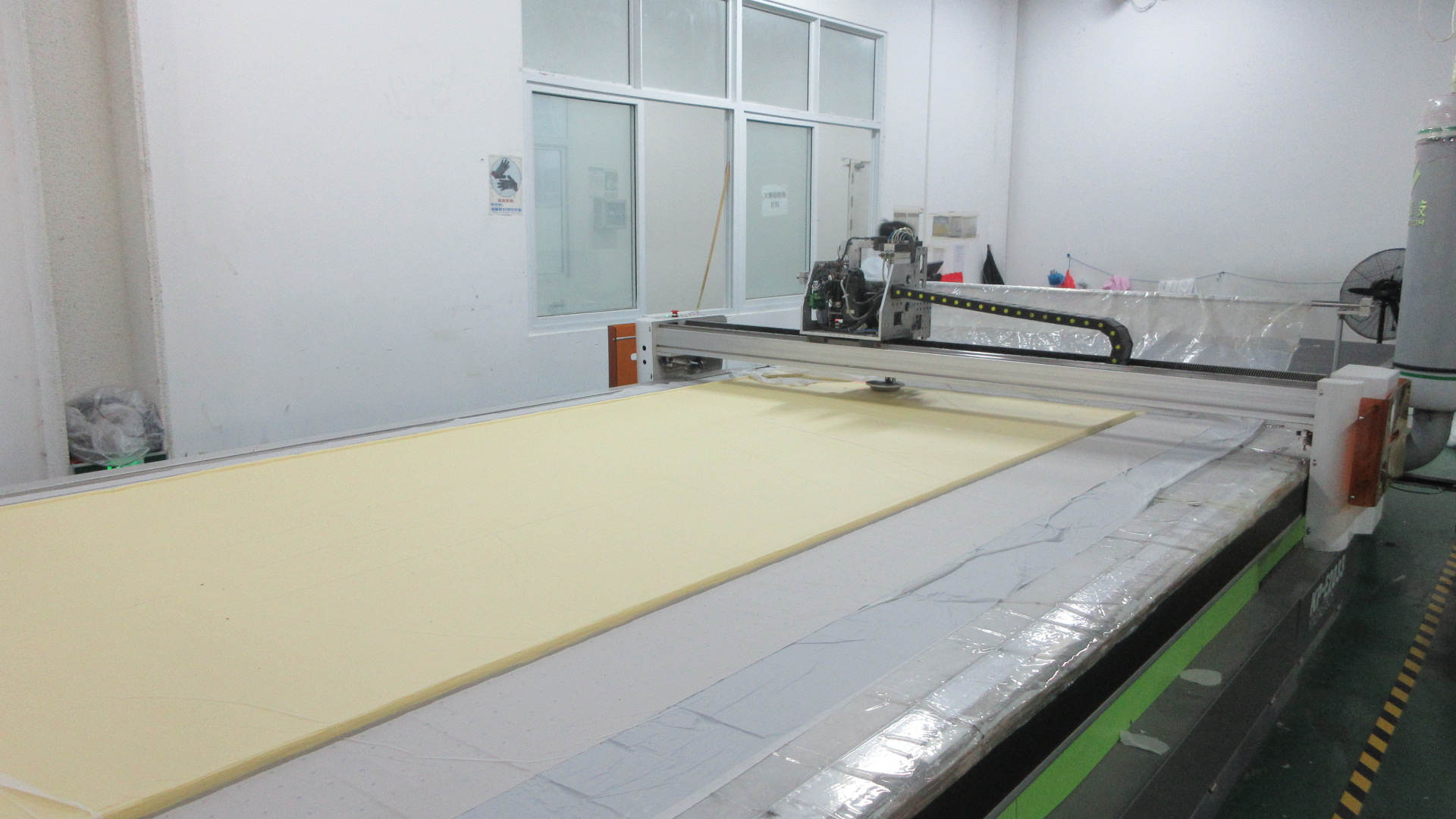
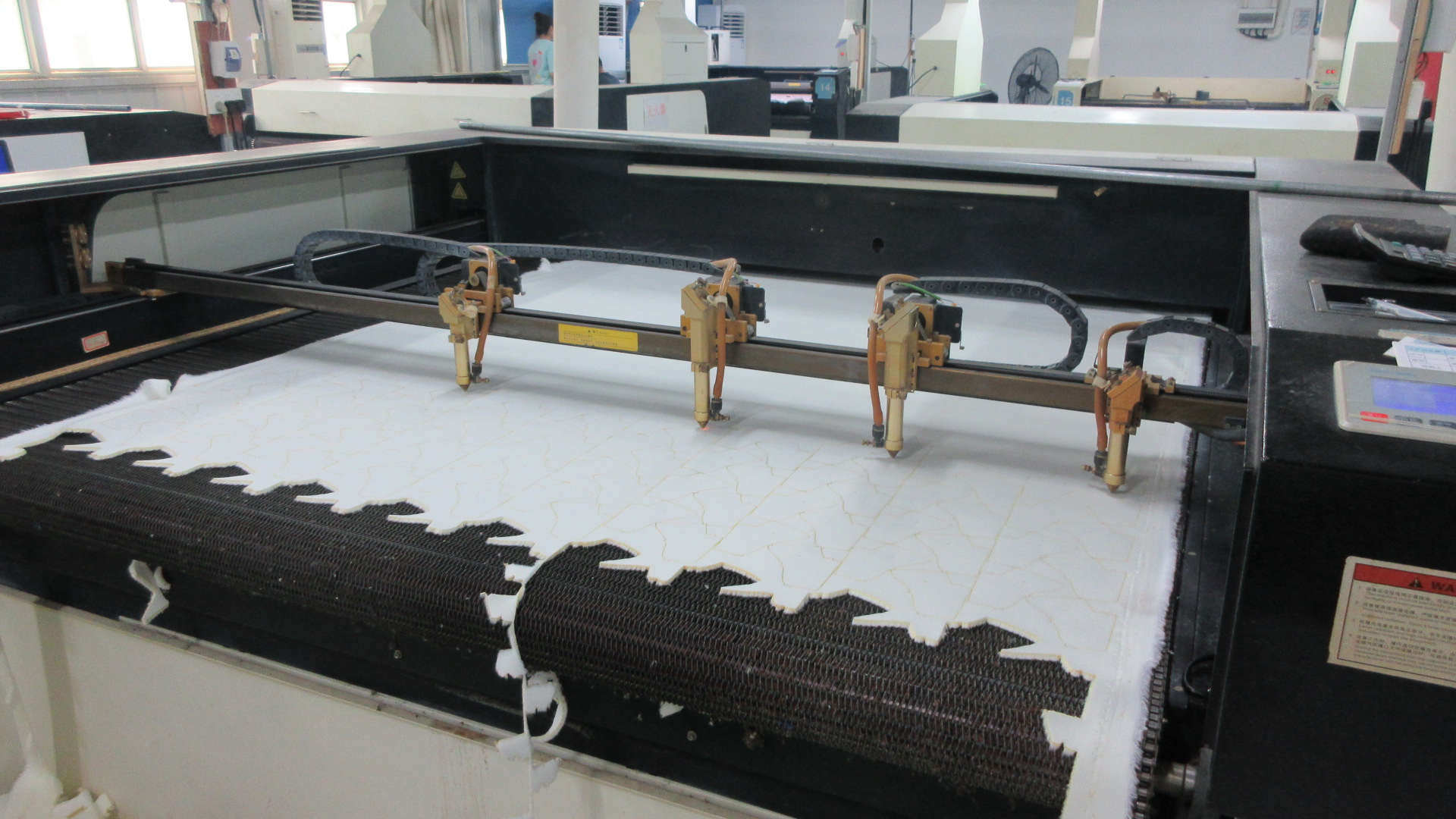
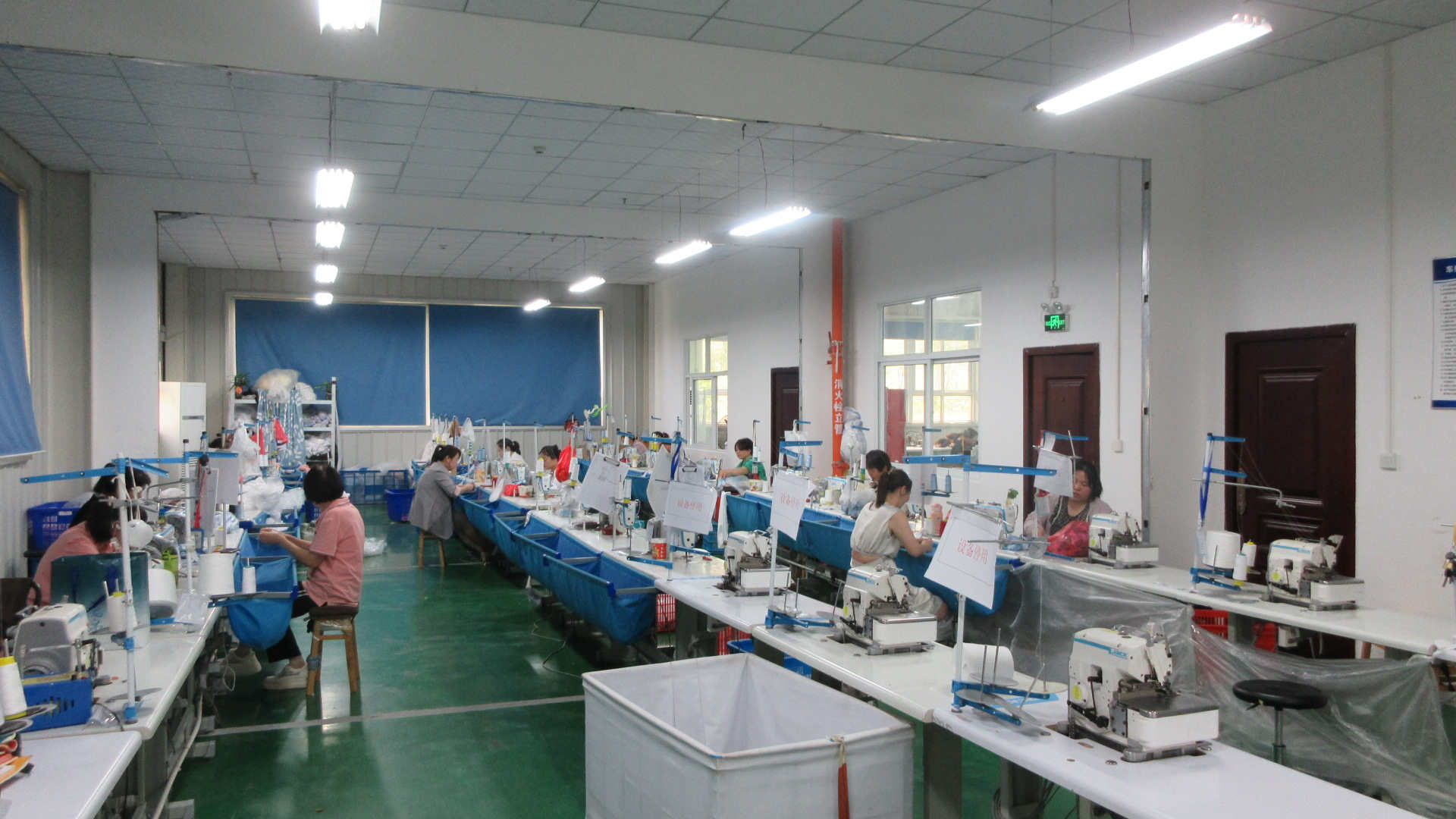
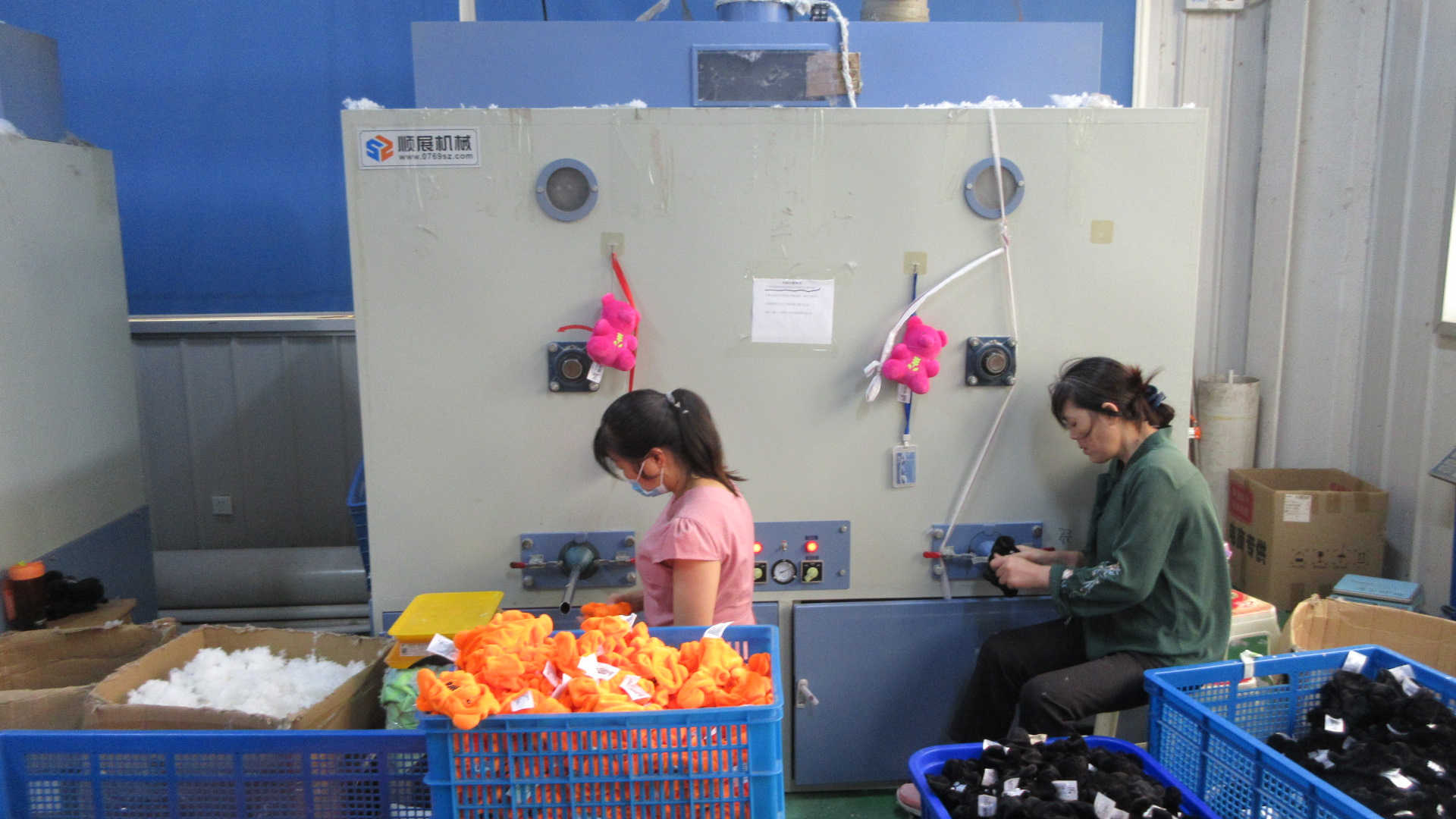
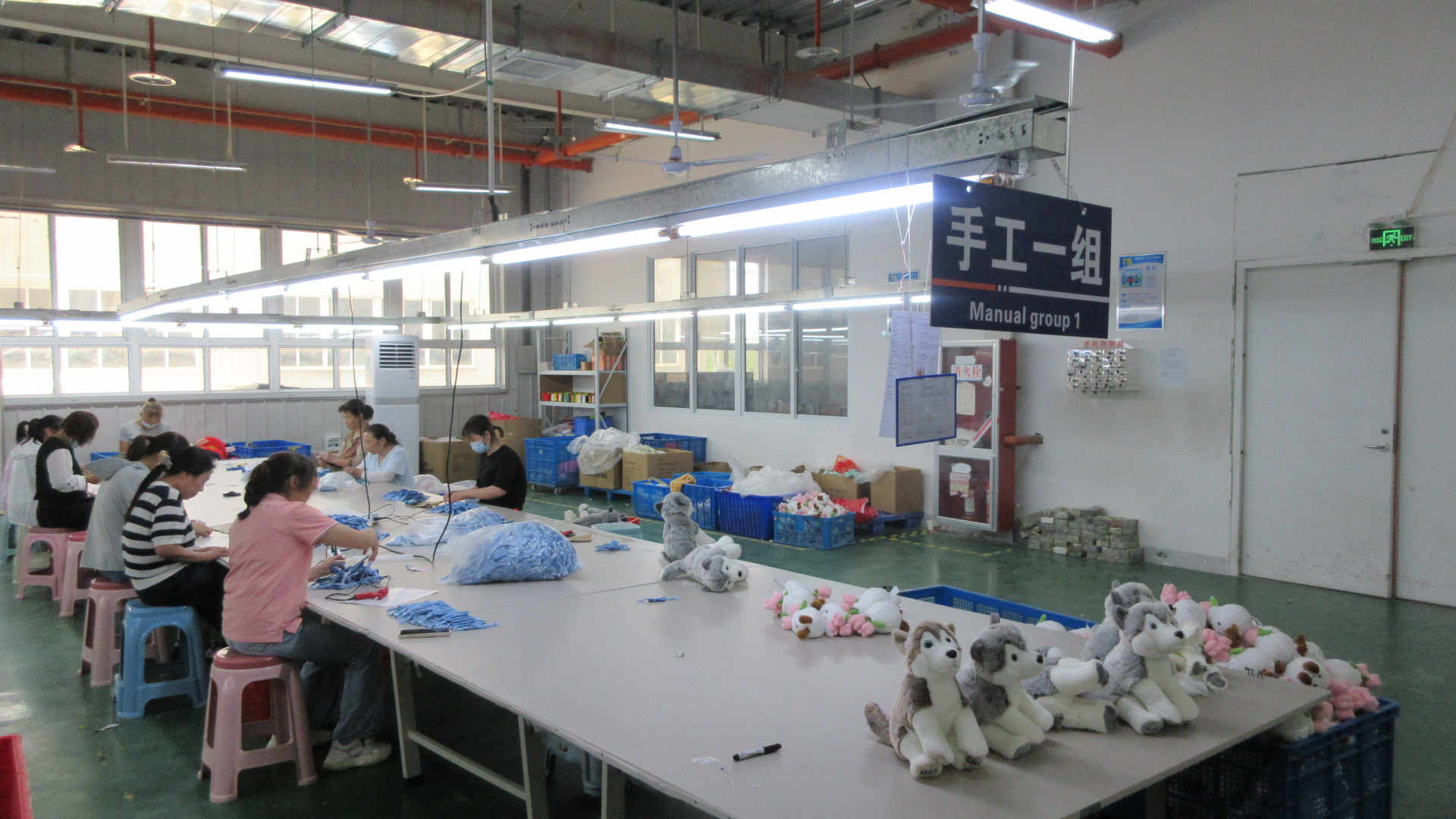
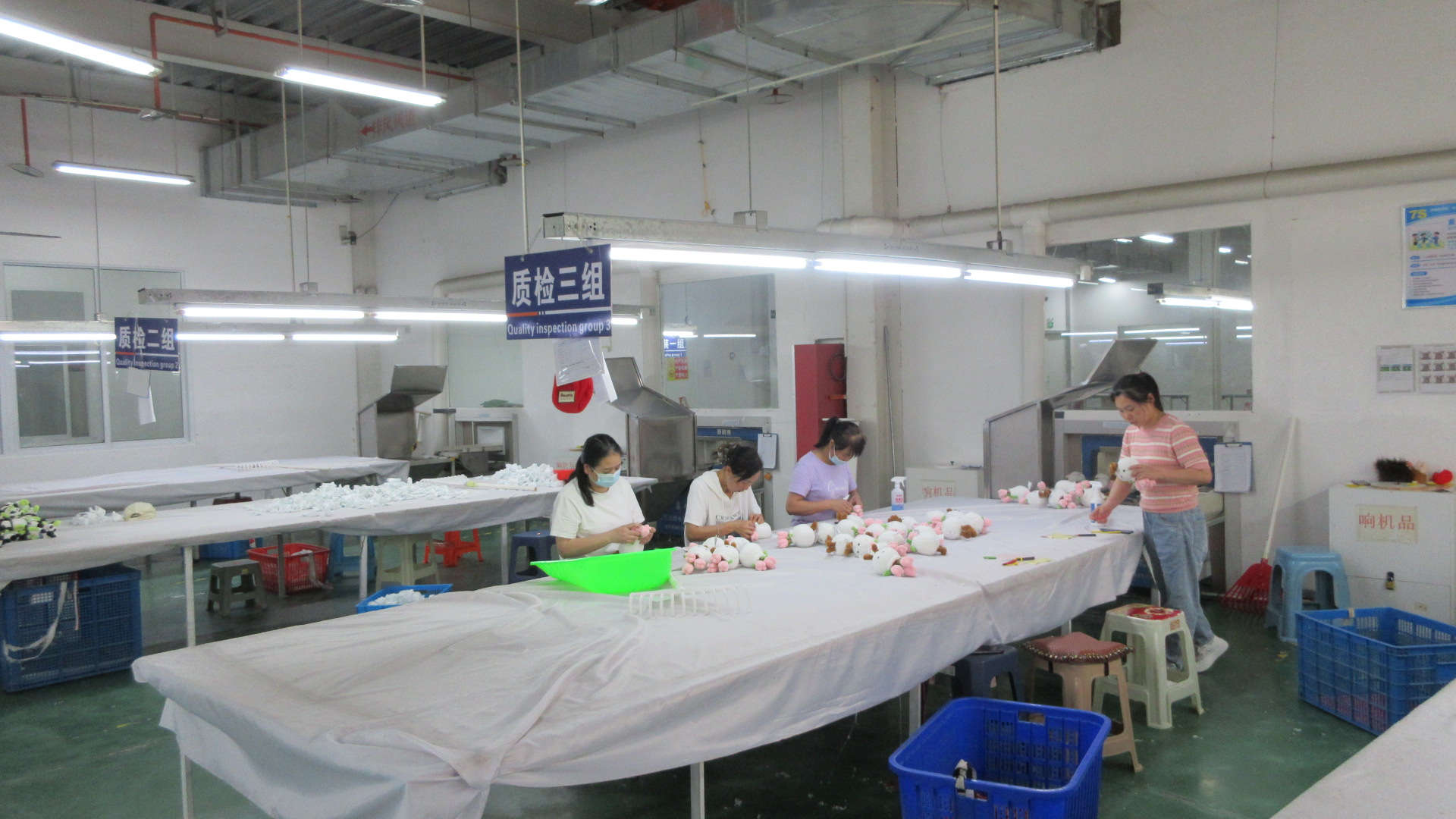
Our production facilities cover an area of approximately 10,000㎡ and are supported by a strong in-house team, including 23 experienced designers, more than 500 skilled workers, and 12 dedicated quality control inspectors. Every plush toy is carefully inspected throughout the production process to ensure consistent quality, safety, and craftsmanship.
We have obtained multiple internationally recognized certifications, including EN71, ITU compliance, BSCI, GRS, FSC, ISO, and Sedex, reflecting our commitment to ethical manufacturing, environmental responsibility, and product safety standards.
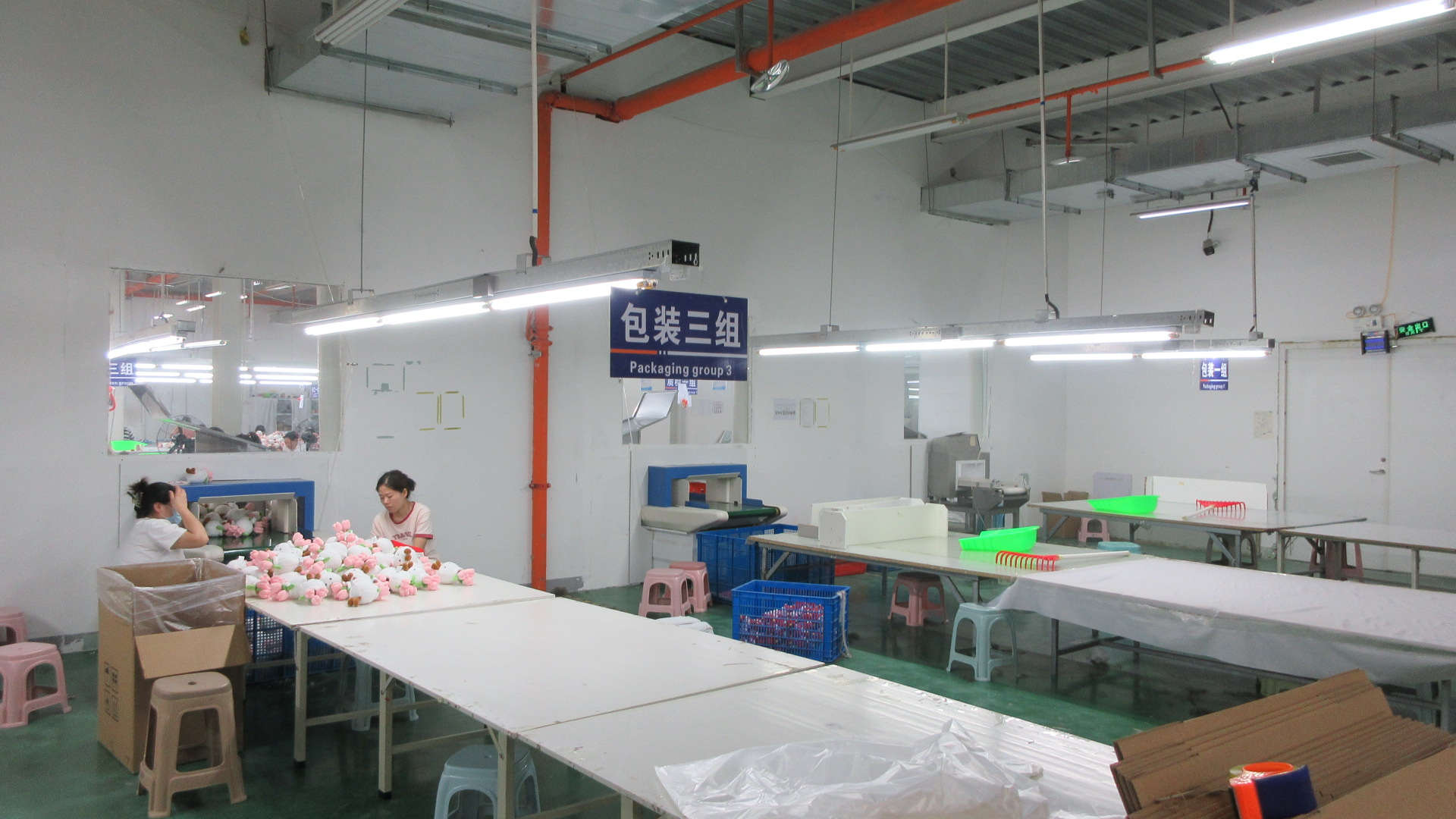
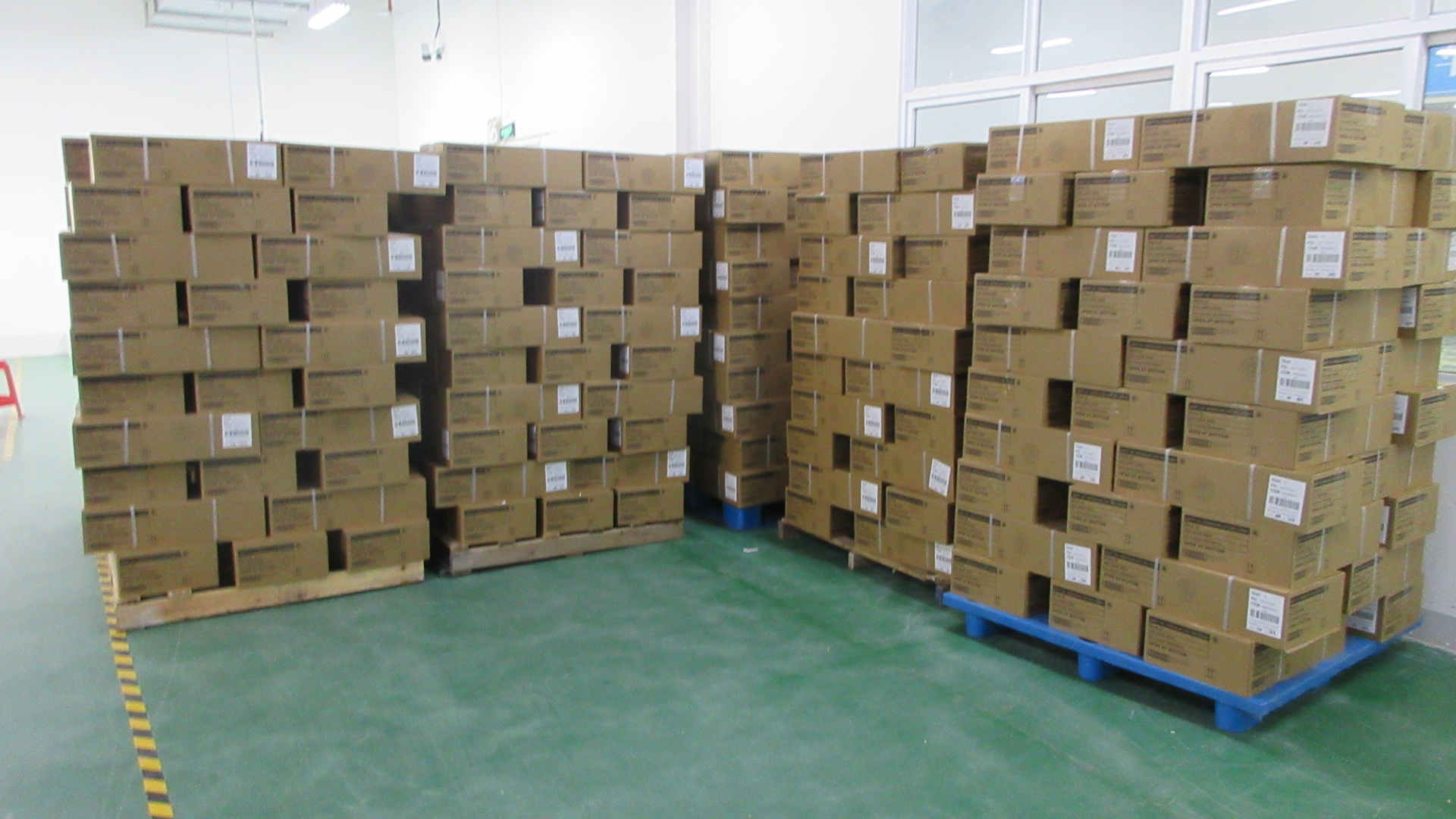
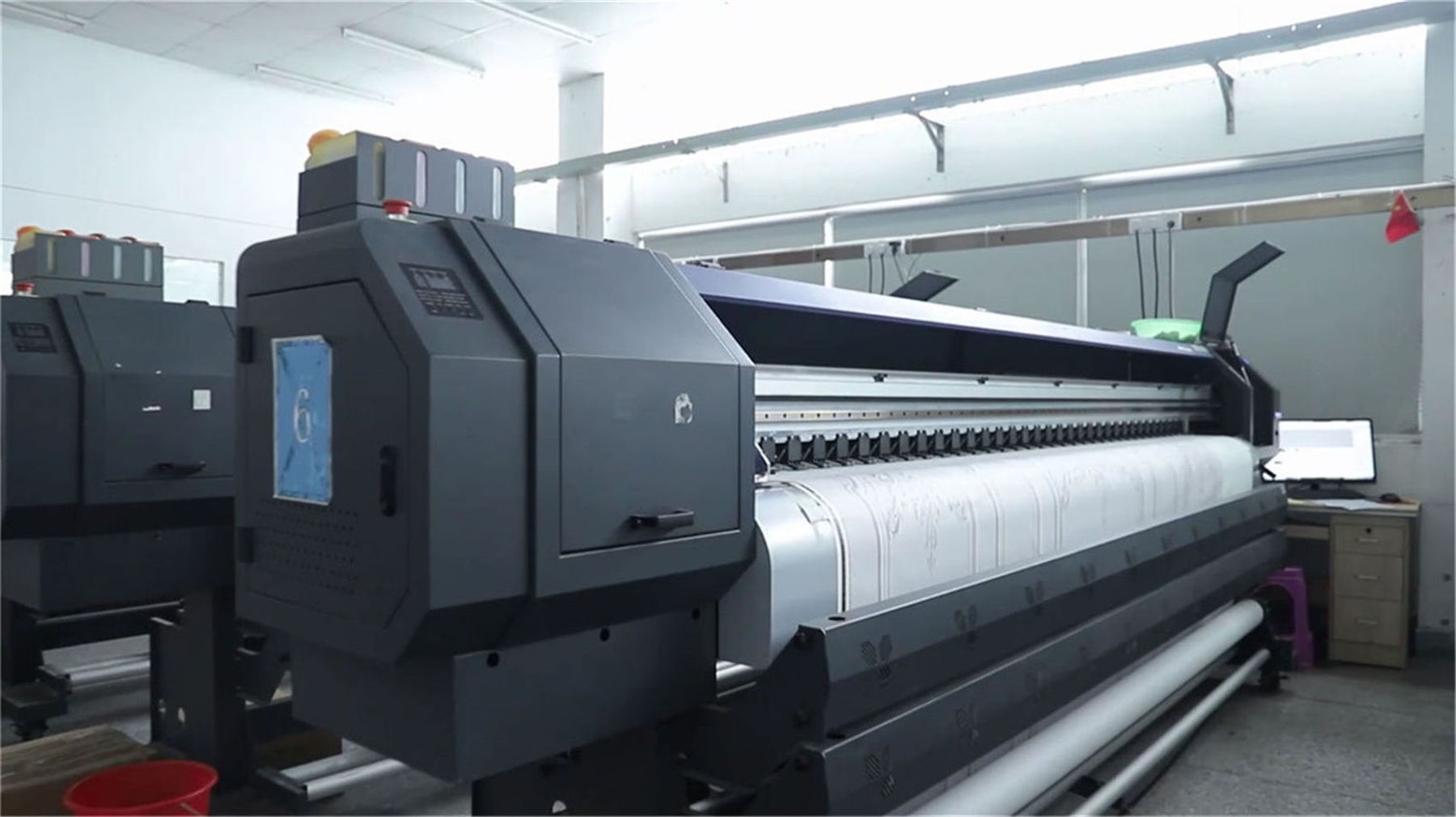
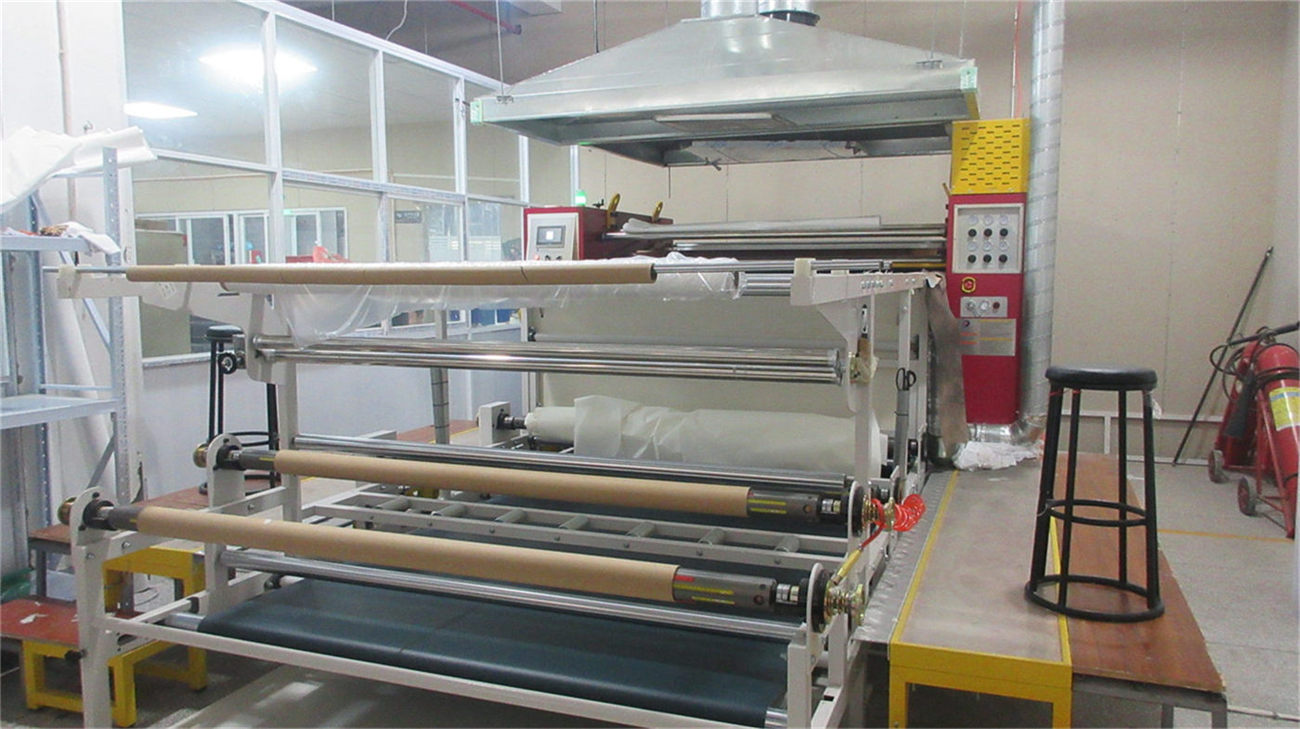
Global enterprises are moving away from generic products. US markets demand STEM-integrated plush cards, while European markets prioritize sensory textures (Montessori-style). Chinese manufacturers are now offering localized printing and Braille integration to meet these specific regional requirements.
The rise of the GRS (Global Recycled Standard) is non-negotiable. Leading factories are now using rPET (recycled polyester from ocean plastic) for the outer shell and stuffing. This eco-friendly shift is a major procurement requirement for Tier-1 retailers in Walmart, Target, and European chains.
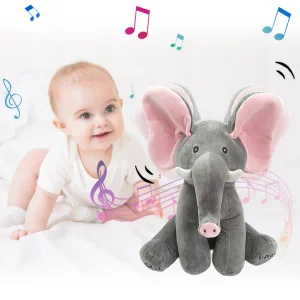
The industry is seeing the introduction of sound chips and NFC tags embedded within the plush cards. This allows the soft card to interact with a tablet or a smart pen, merging the tactile comfort of plush with the analytical power of software.
When sourcing Plush Learning Cards from China, professional buyers should evaluate three critical pillars: Compliance, Scalability, and Information Gain. A partner like Ottoman Toys provides more than just manufacturing; they offer insight into material durability (pilling resistance, colorfastness) that directly affects brand reputation.
We recommend short-pile velvet or organic cotton shells combined with GRS-certified recycled polyester or natural cotton filling. These materials are hypoallergenic and can withstand frequent machine washing without losing shape.
Yes. We specialize in "sensory-rich" cards that incorporate crinkle paper, silicone teethers, embroidery, and varying fabric textures (silk, fleece, corduroy) to help develop neonatal fine motor skills.
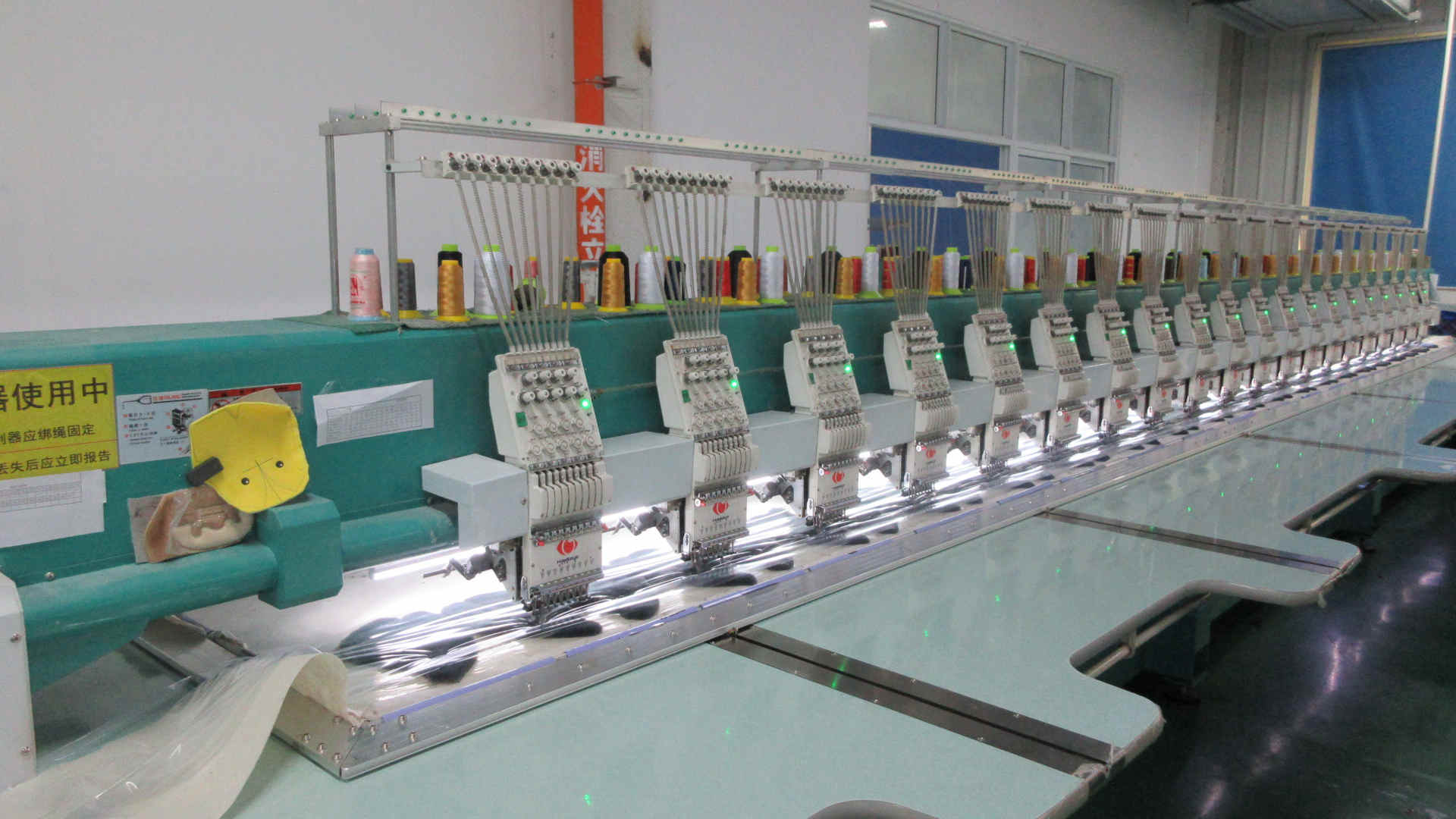
We utilize advanced Transfer Printing and High-Density Embroidery. Unlike screen printing, these methods ensure that text and icons do not crack or peel over time, maintaining educational value through years of use.
Prototyping takes 5-7 days. Once the sample is approved, mass production typically takes 25-35 days depending on the complexity and volume of the order.
While our pricing may not always be the lowest in the market, we firmly believe that quality should never be compromised for cost. We are committed to delivering durable, safe, and beautifully crafted plush toys that meet the highest expectations of our partners worldwide.
We sincerely appreciate your trust and look forward to supporting your custom plush toy projects with reliable service and excellent craftsmanship.
 Ottoman Toys