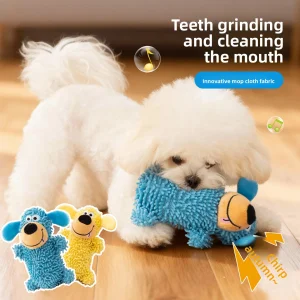
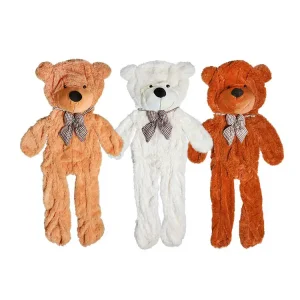
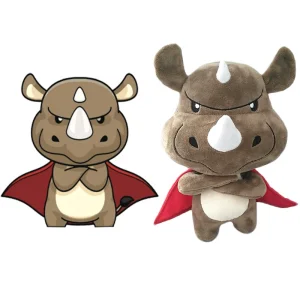
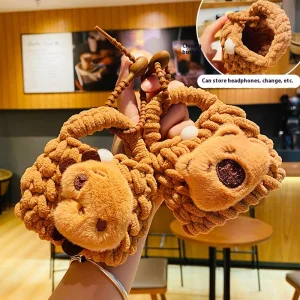
In the rapidly evolving landscape of the global toy industry, Interactive and Talking Plush Toys represent the intersection of traditional comfort and cutting-edge technology. No longer just static companions, these intelligent products leverage ASIC voice chips, capacitive touch sensors, and AI-driven speech recognition to provide high-level "Information Gain" to developing children and high-value returns for retailers.
As a leading hub for textile and electronic integration, China’s supply chain offers unparalleled advantages in the mass production of these complex items. This guide explores the strategic depth of manufacturing in Dongguan, the technical requirements for global compliance, and the emerging trends that are redefining user intent in the 21st-century nursery.
Deep-rooted experience in textile engineering and electronic module integration, ensuring durability and safety in every seam.
Combining traditional hand-finishing with automated precision to deliver high-volume orders without sacrificing quality.
Adherence to EN71, ASTM, CPC, and GRS standards, providing a "Zero-Risk" sourcing environment for international buyers.
Dongguan, often cited as the world’s factory, has transformed into a sophisticated ecosystem for Talking Plush Toys. The proximity between textile mills and micro-electronic assembly lines allows for a "Just-In-Time" manufacturing model that reduces lead times by up to 30% compared to other regions.
Global enterprises require more than just a toy; they require a product that speaks the language of their market—literally. We provide:
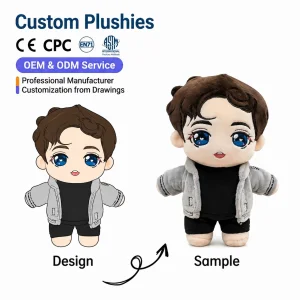
Dongguan Ottoman Toys Co., Ltd. is a professional custom plush toy manufacturer with over 20 years of industry experience. The company operates three modern factories and is dedicated to producing high-quality plush toys for global clients, offering both custom plush toy development and wholesale supply solutions.
Our production facilities cover an area of approximately 10,000㎡ and are supported by a strong in-house team, including 23 experienced designers, more than 500 skilled workers, and 12 dedicated quality control inspectors. Every plush toy is carefully inspected throughout the production process to ensure consistent quality, safety, and craftsmanship.
We have obtained multiple internationally recognized certifications, including EN71, ITU compliance, BSCI, GRS, FSC, ISO, and Sedex, reflecting our commitment to ethical manufacturing, environmental responsibility, and product safety standards.
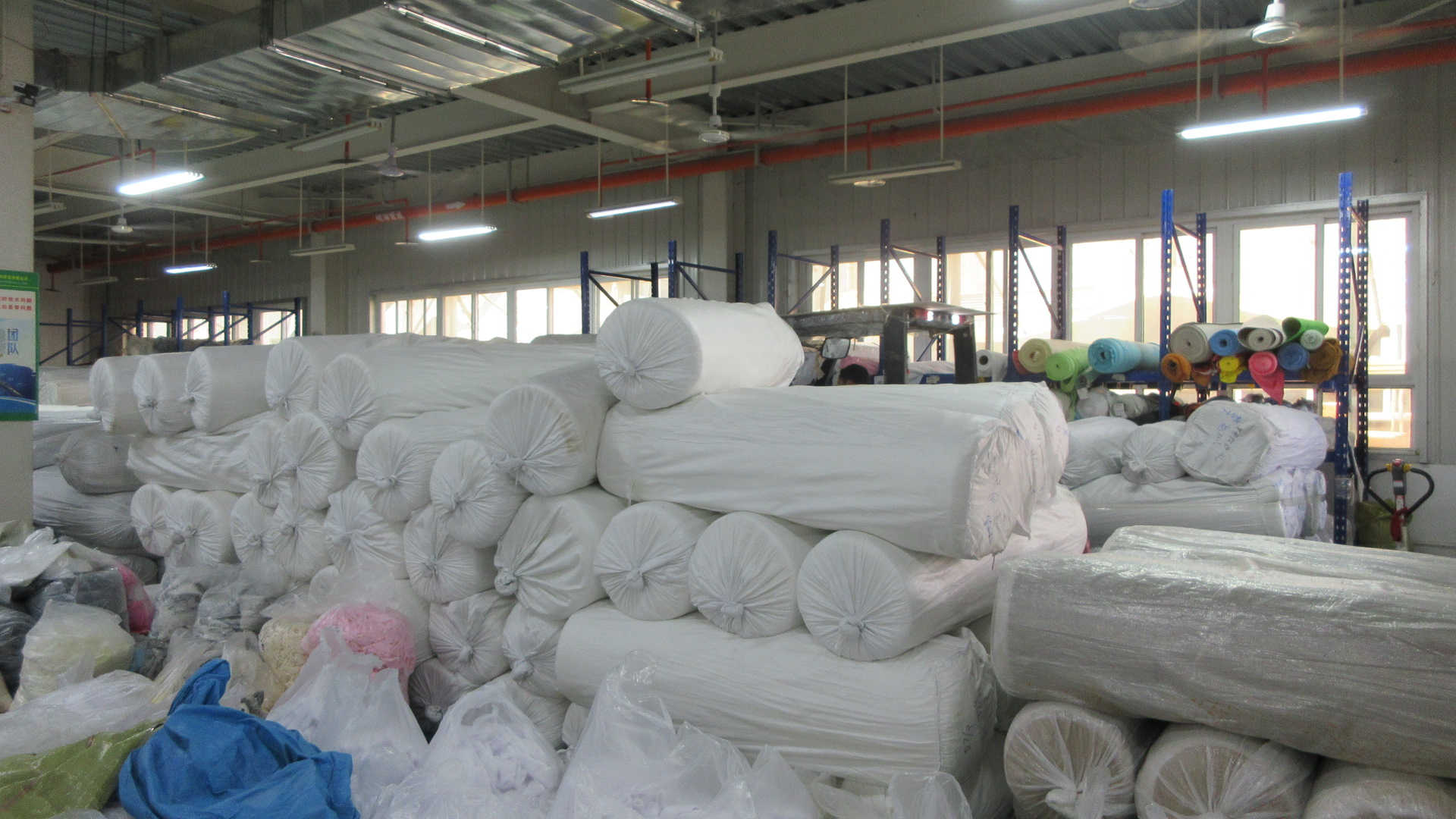 Raw materials
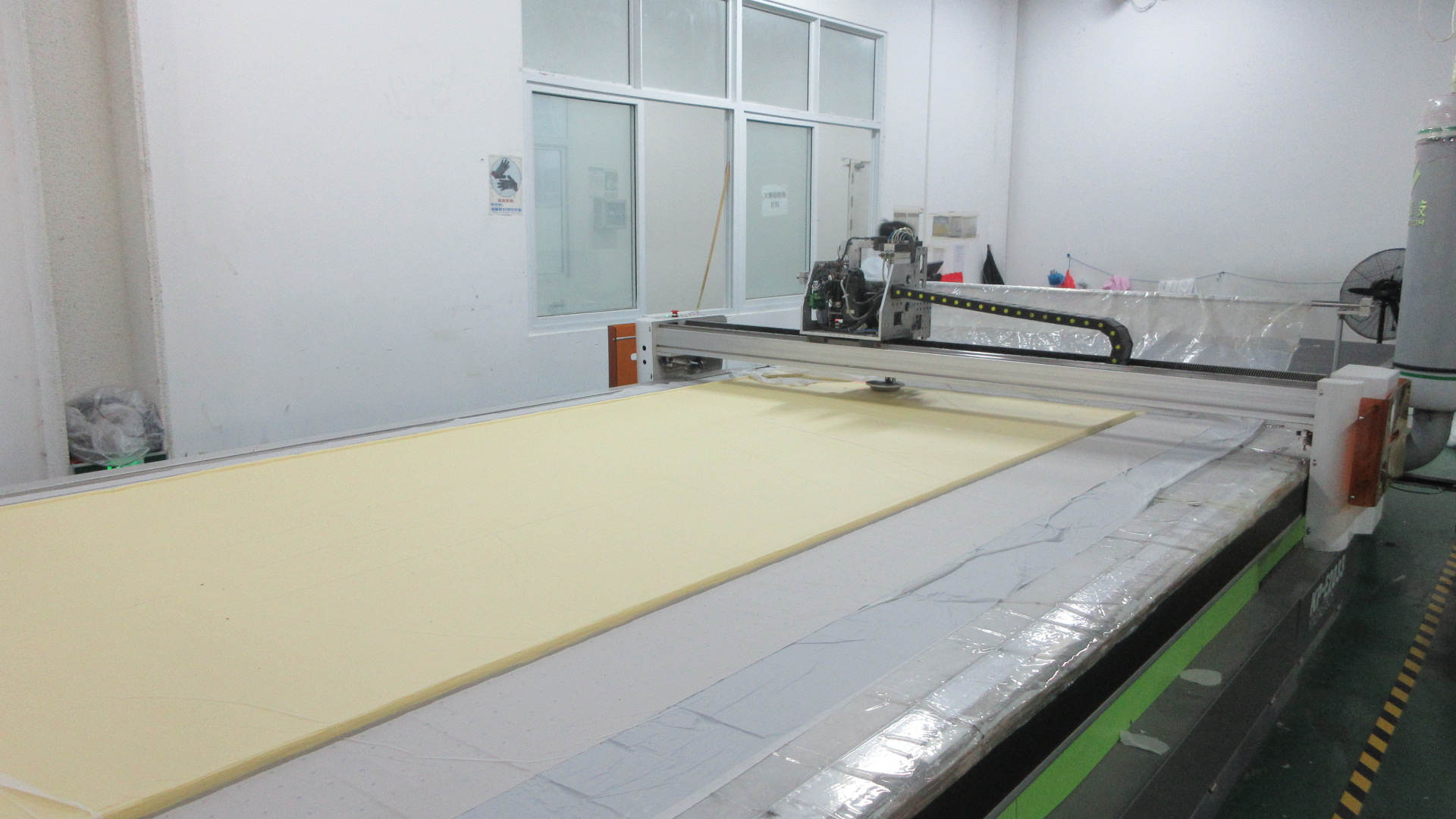 Cutting
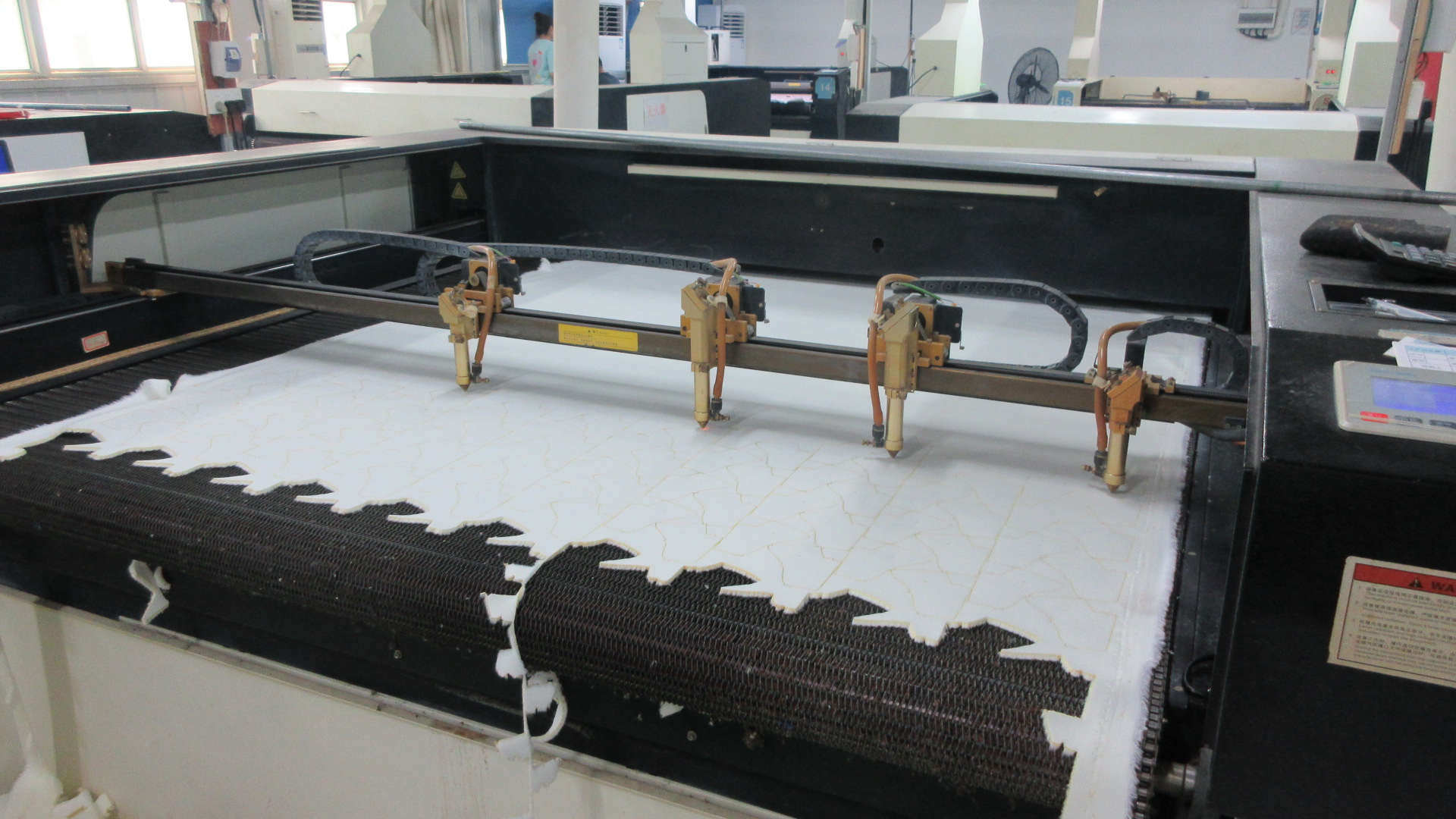 Laser Cutting
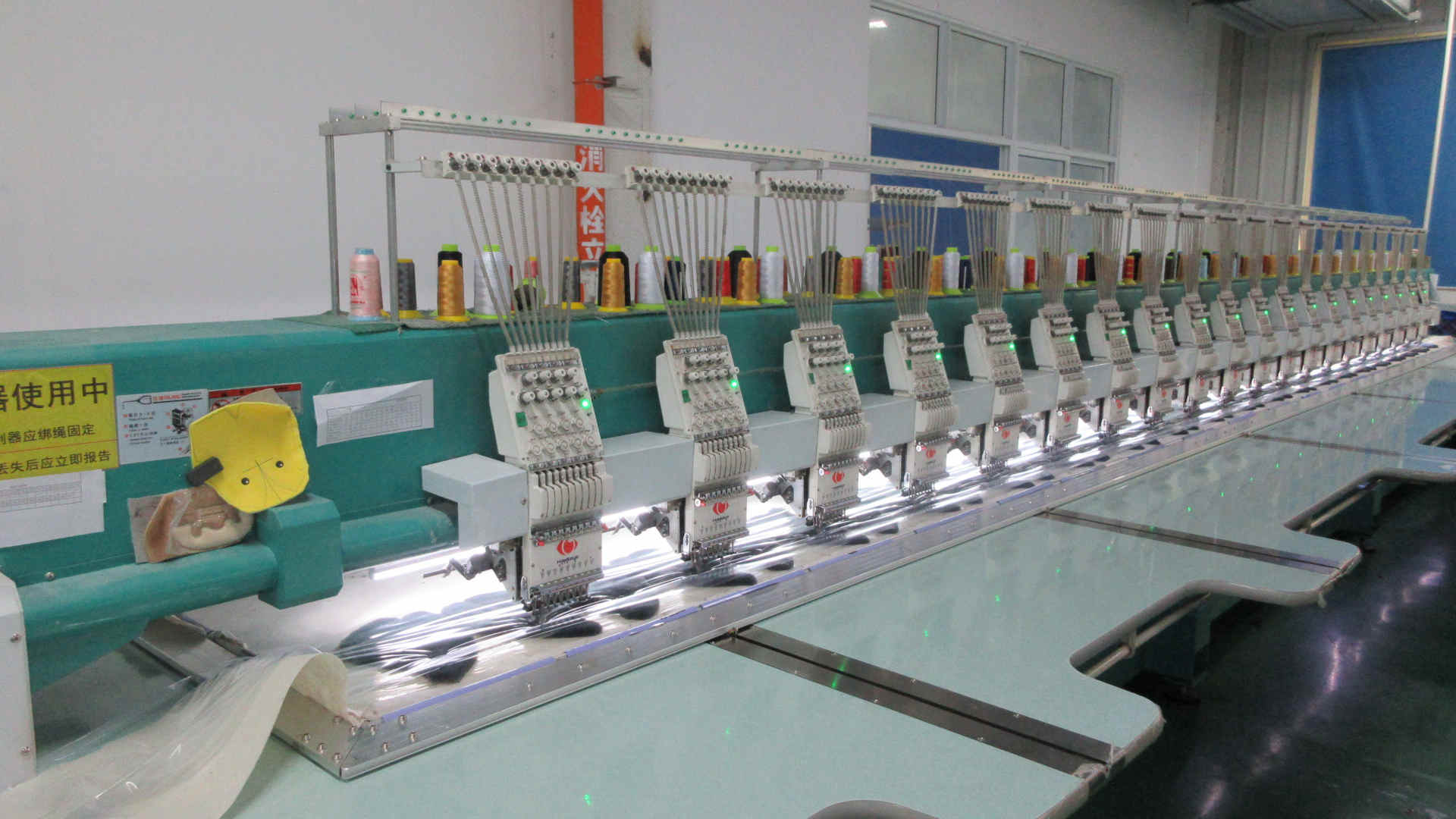 Embroidery
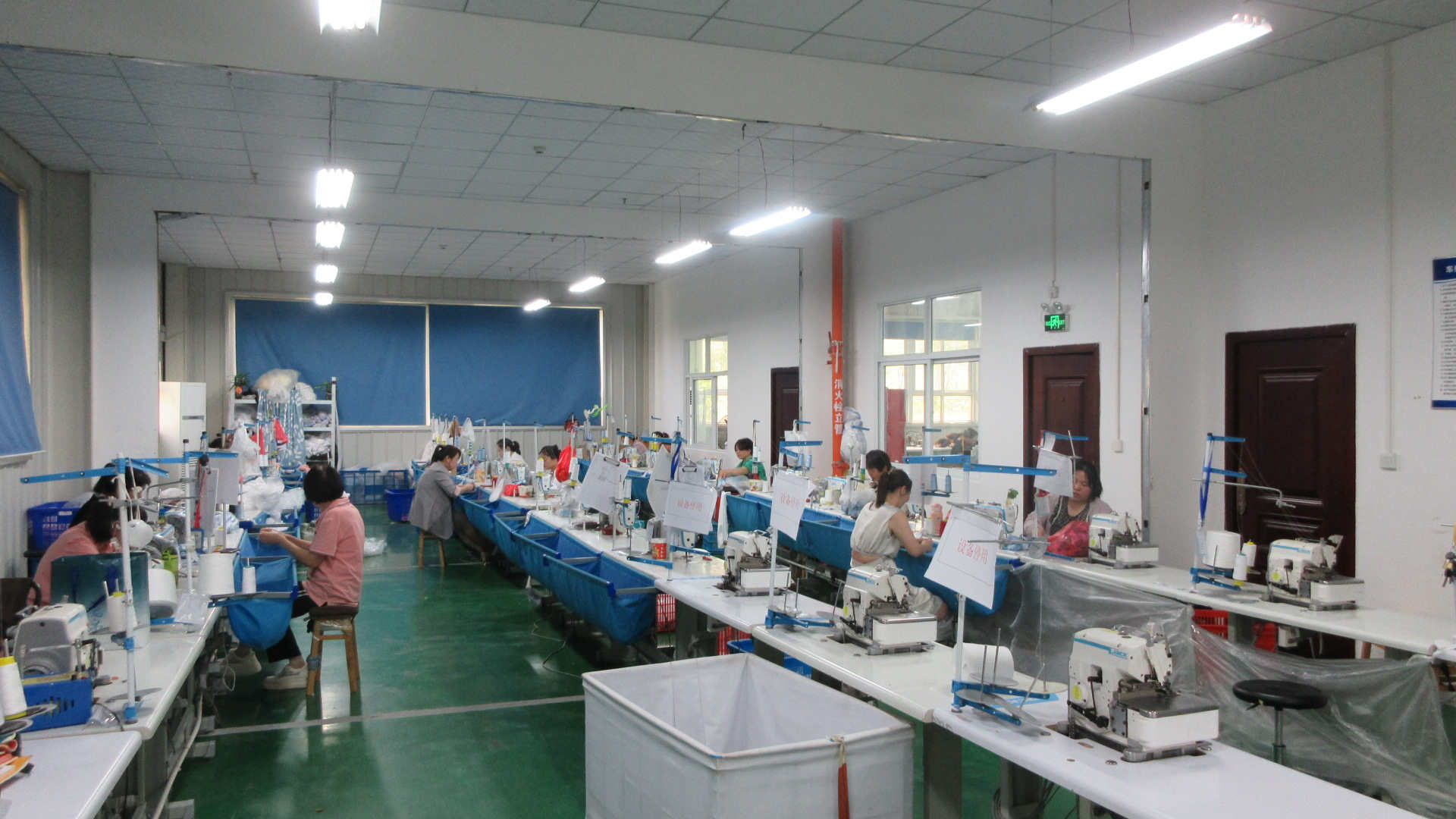 Sewing
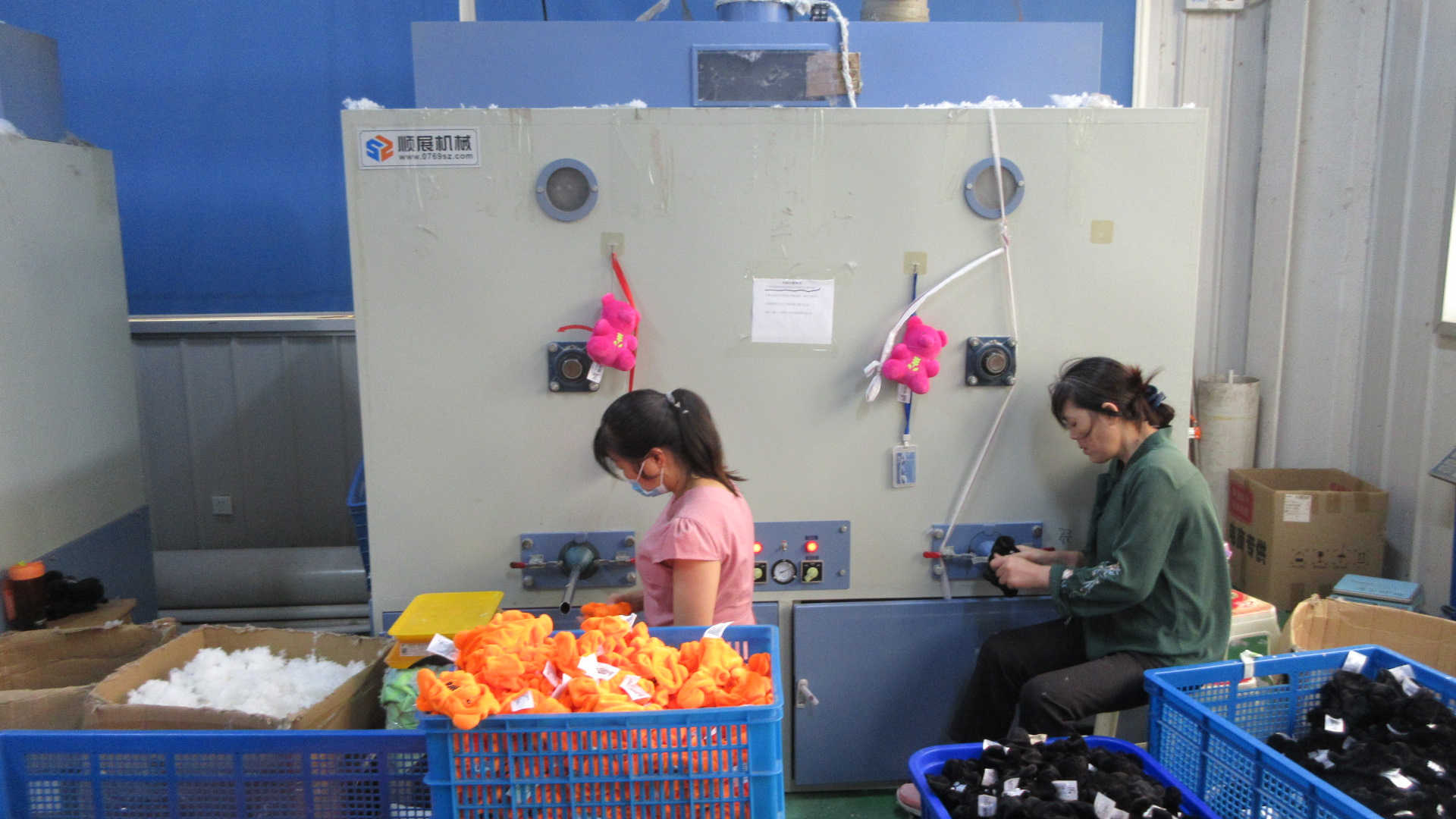 Cotton filling
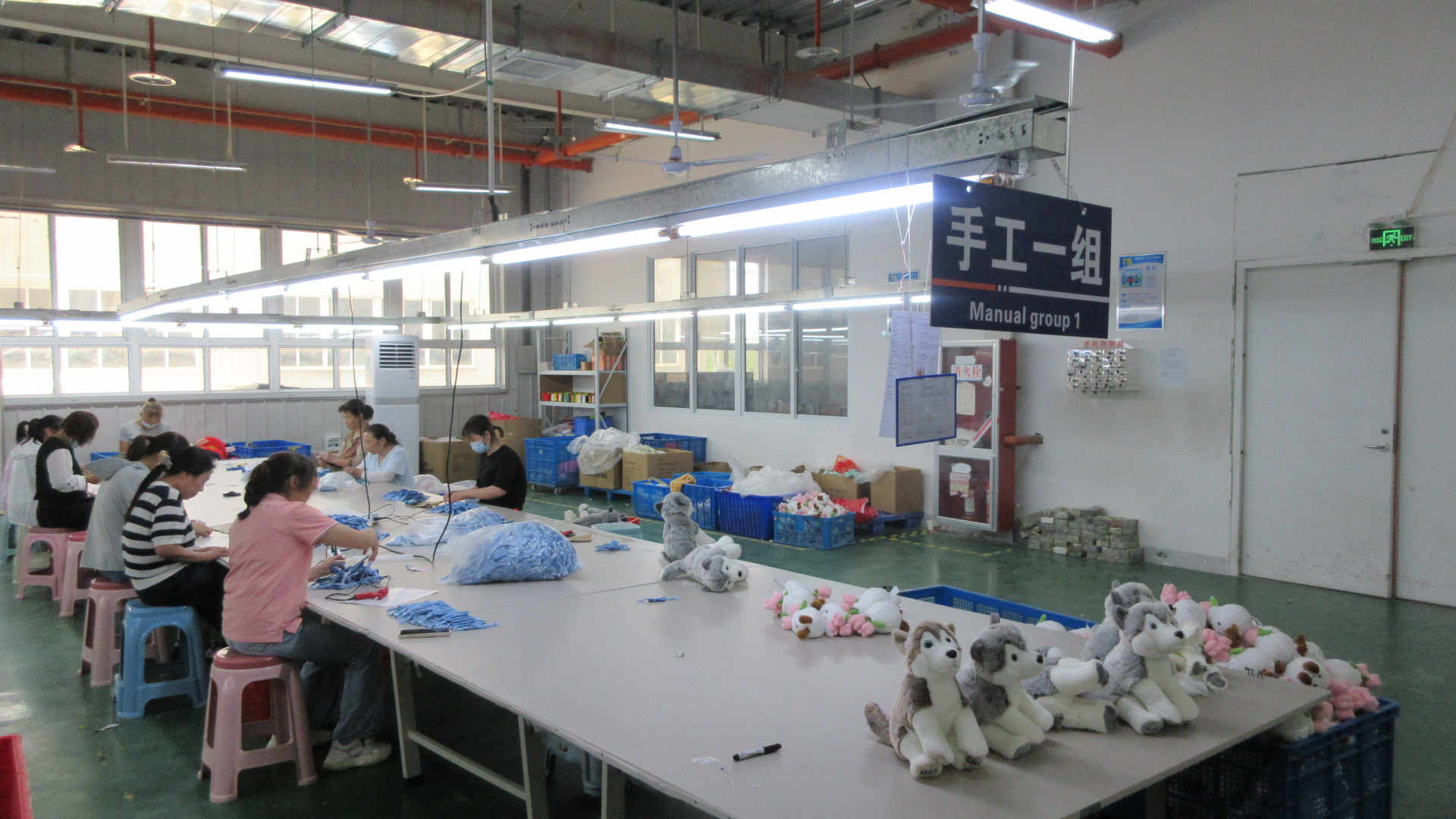 Handmade
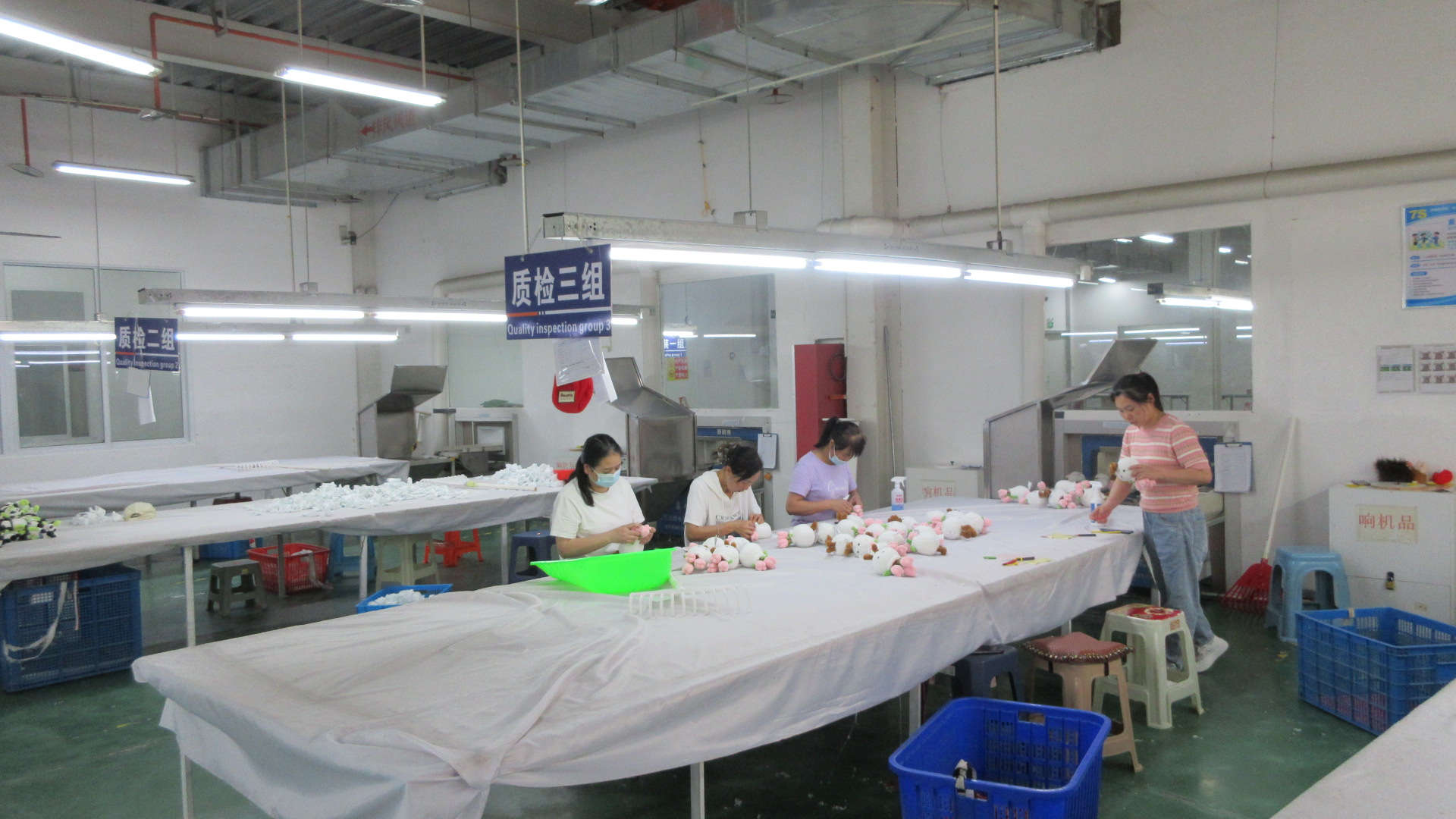 Check
Check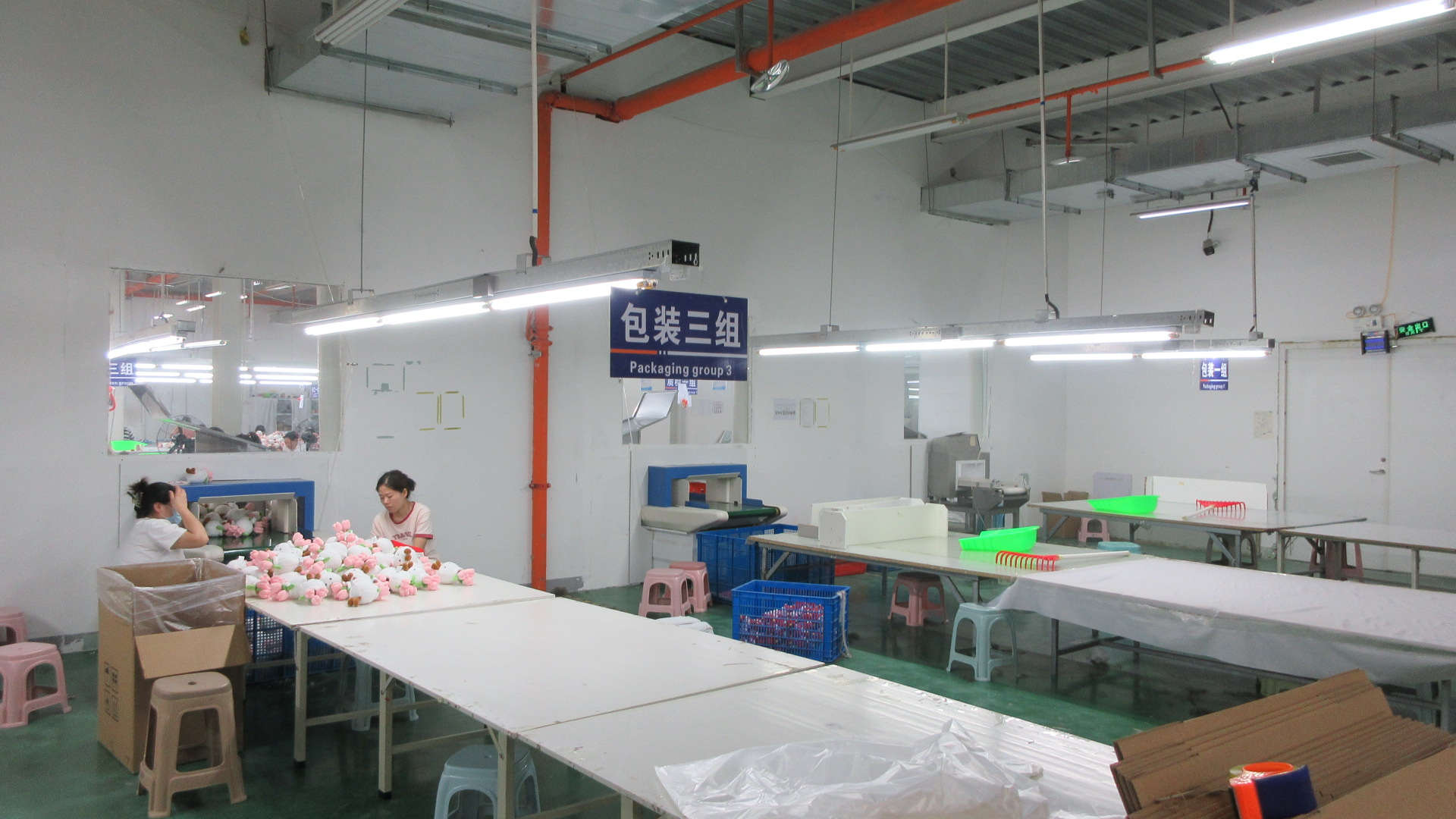 Packaging
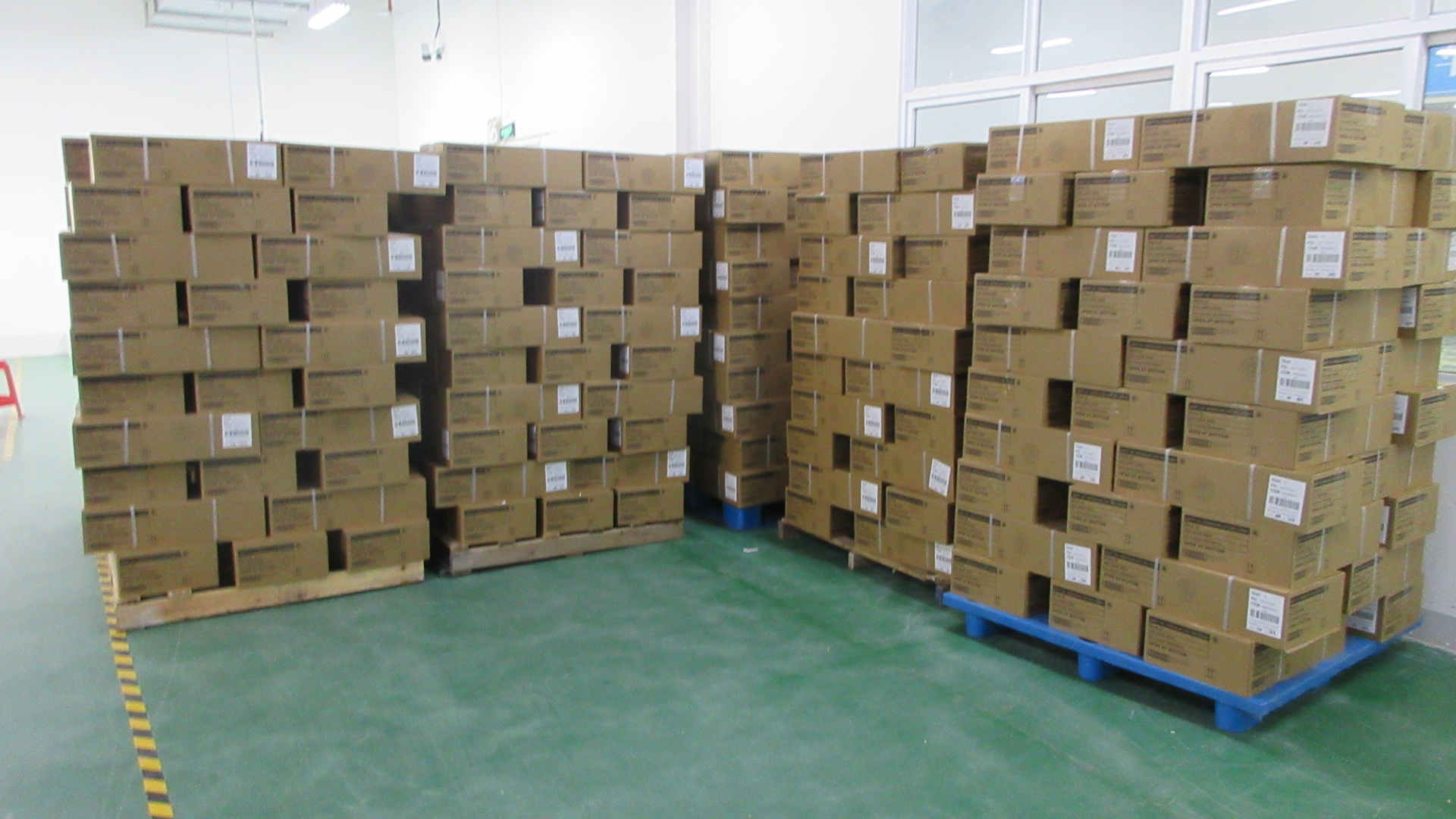 Finished Product
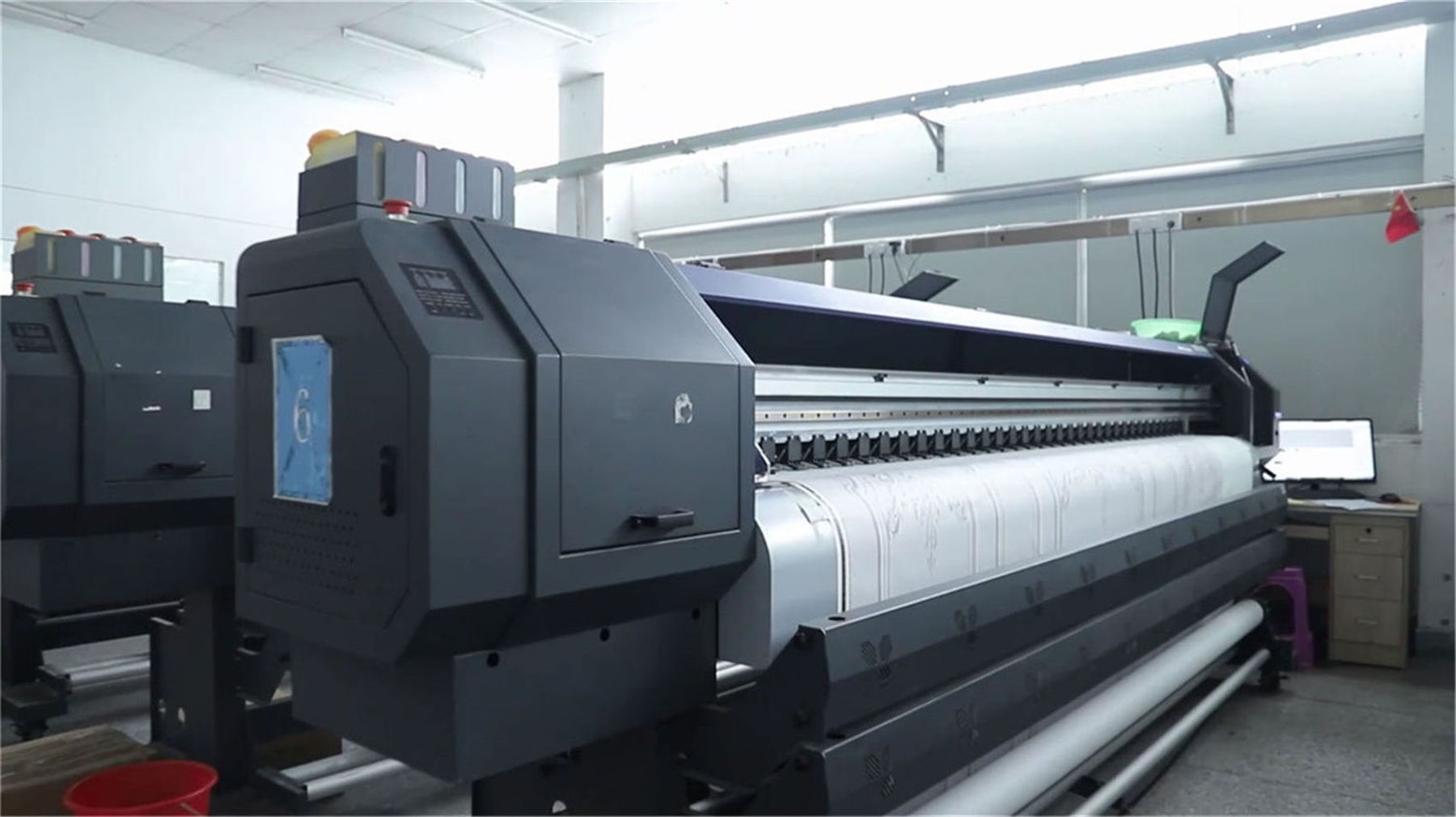 Printing
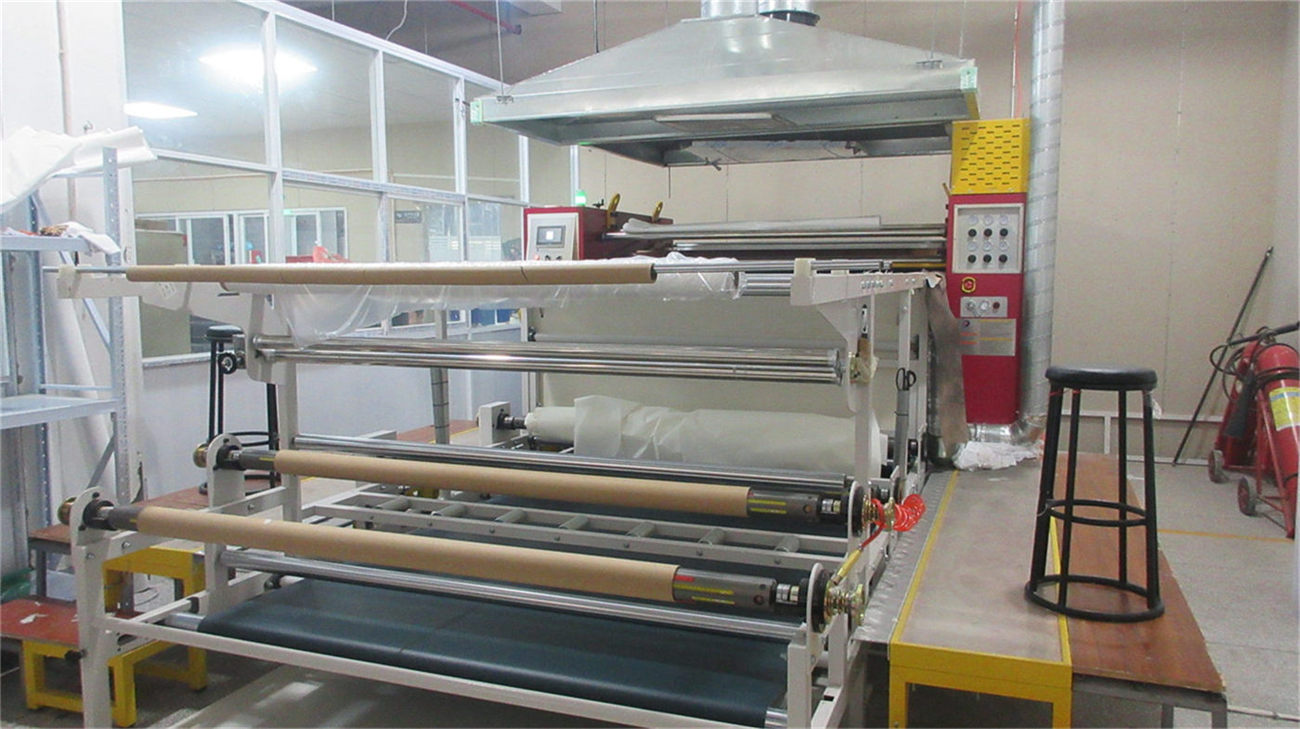 Transfer Printing
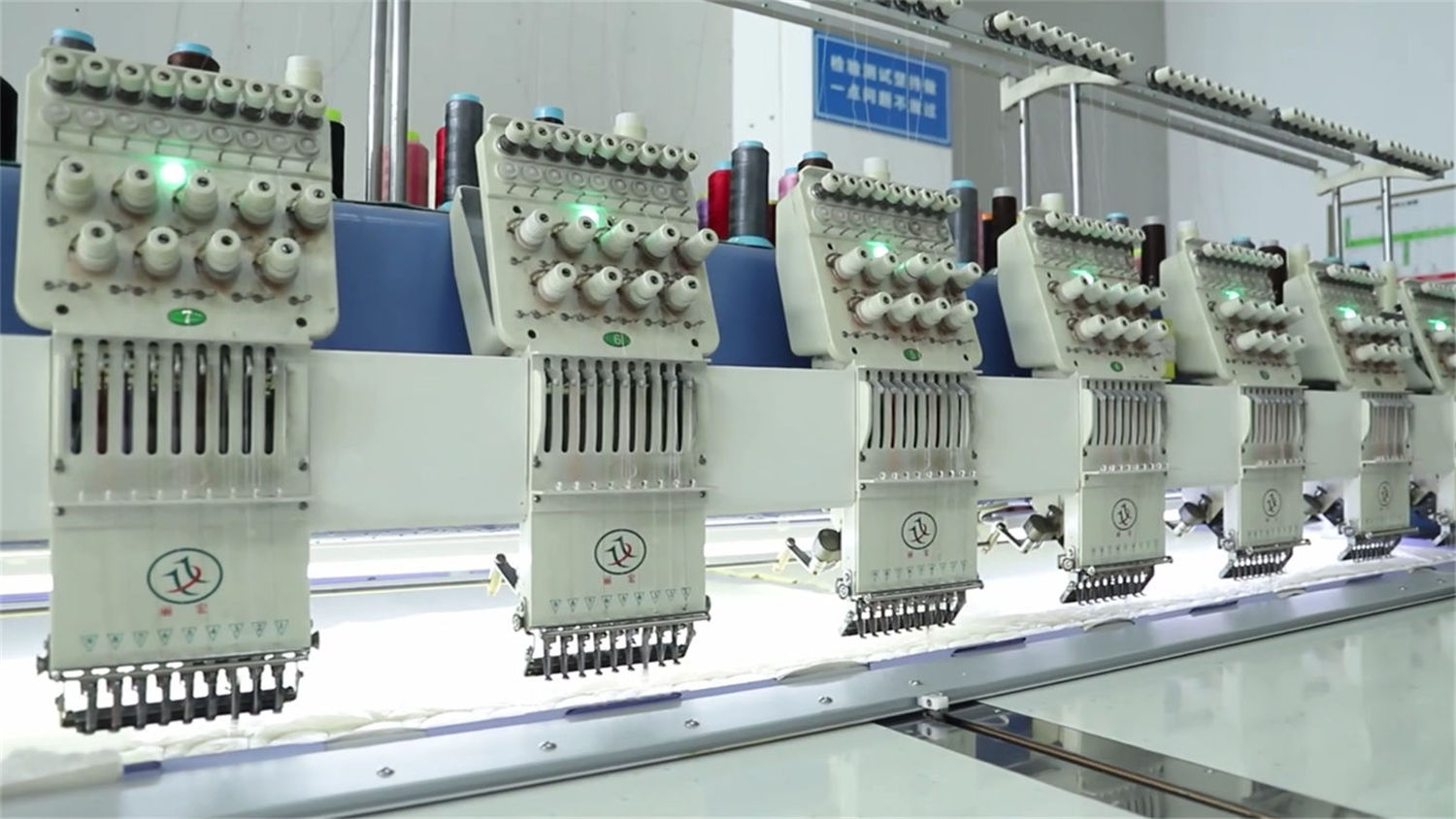 Embroidering
The next generation of talking plushies will utilize Large Language Models (LLMs) to engage in context-aware conversations, transforming toys into personalized educational tutors.
Buyers are shifting toward 100% rPET materials. We are leading this transition by integrating ocean-bound plastics into our premium plush lines.
Plush toys designed for elderly care or neurodivergent children, featuring haptic heartbeat sensors and calming voice guided meditations.
Custom talking mascots used in preschools for language immersion programs, helping toddlers learn vocabulary through interactive repetition.
Interactive "Gift with Purchase" dolls that tell a brand's story when squeezed, significantly increasing customer engagement and recall.
High-durability talking toys with motion-activated sound modules designed to reduce separation anxiety in household pets.
A: For the USA, toys must comply with ASTM F963 and CPSIA. For the EU, EN71 (Parts 1, 2, and 3) and the Toy Safety Directive 2009/48/EC are mandatory. Additionally, talking toys require RoHS and REACH certification for the electronic components.
A: Yes. We offer OTP (One-Time Programmable) and USB-recordable chips. You can provide .wav or .mp3 files, and our engineers will optimize the sound quality for the specific speaker housing in the plush.
A: We sign strict Non-Disclosure Agreements (NDAs). Our 10,000㎡ facility is monitored, and access to the design department is restricted to authorized personnel only.
A: Concept to sample usually takes 7-14 days. Mass production varies by volume but typically ranges between 35-45 days after sample approval and deposit receipt.
 Ottoman Toys