Why do people collect limited edition plush toys? The answer is rarely simple, and it changes from person to person. For some collectors, a small plush represents a childhood memory, a favorite character, or a comforting daily ritual. Others enjoy the thrill of scarcity: a numbered tag, a short release window, or a design unavailable in ordinary stores. Collectors often compare stitching, fabric texture, packaging, and certificate details before making a purchase. These details turn a soft toy into a physical record of a moment. It feels personal. Yet nostalgia alone cannot explain every collection. Some buyers value craftsmanship, while others follow online communities, artist collaborations, or changing market trends.
Experts in consumer behavior often connect collecting with identity, belonging, and emotional reward, but no single theory fits everyone. A collector may feel genuine joy after finding a rare plush following months of searching. Another may feel pressure to keep buying because social media displays endless “must-have” releases. That tension deserves attention. Limited production can create excitement, but it can also encourage rushed decisions and unexpected spending. Reliable collecting advice emphasizes checking official product information, setting a budget, and choosing items with lasting personal meaning. Prices and authenticity claims can change. So can preferences. This explanation is not complete, but it offers a useful starting point. The following discussion explores why do people collect limited edition plush toys through emotional, social, artistic, and practical perspectives. It also considers the uncomfortable side: when enjoyment becomes comparison, clutter, or financial stress. Collecting should add warmth, not quietly control a person’s choices.
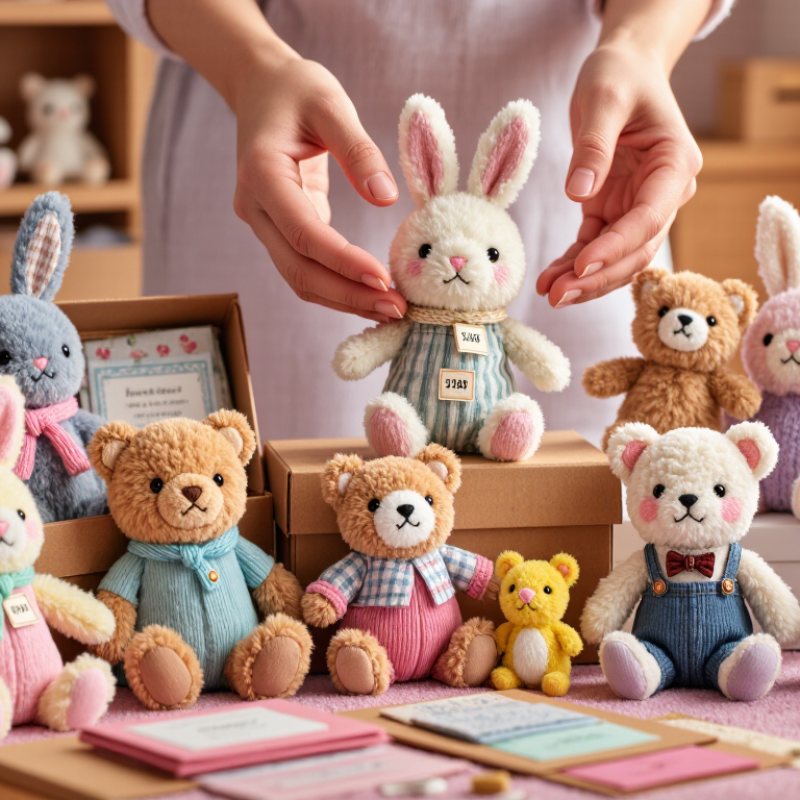
A limited edition plush toy is made in a declared, restricted quantity. Its status should be clear before purchase. A trustworthy edition usually states the total production number, release period, and identifying details. These may include a numbered tag, certificate, or production record. “Limited” alone proves very little. Some sellers use the word for seasonal stock that returns repeatedly.
The toy’s design can also support its limited status. Special colors, embroidered details, unusual fabrics, or a small event release may distinguish it from standard versions. However, rarity does not automatically mean quality. Collectors should inspect stitching, fabric safety information, care labels, and packaging condition.
I once assumed a low production number guaranteed value. That was too simple. Demand, craftsmanship, storage, and documentation matter too. Industry terms can vary, so reliable records are more useful than dramatic claims.
Tips: Check the stated quantity and edition number. Keep receipts, tags, and certificates together. Photograph the toy when it arrives. Store it away from sunlight, moisture, smoke, and strong odors. Ask the seller how many were produced and whether more units may appear later. If the answer feels vague, pause before buying. A limited edition should feel traceable, not mysterious.
Rarity gives an ordinary plush toy a stronger emotional charge. A numbered tag, a small production run, or a retired design creates visible boundaries. Collectors know exactly what may disappear.
Exclusivity also creates a personal story. I have noticed collectors remember where they found a plush toy, who helped them buy it, and how quickly stock vanished. The object becomes evidence of participation.
Grand View Research estimated the global plush toys market at about 7.3 billion dollars in 2023, with continued growth expected through the decade. However, scarcity can be engineered. A short release window may feel special, yet it can also create pressure rather than genuine attachment. That deserves reflection.
Professional collectors often check edition numbers, release dates, stitching quality, fabric condition, and seller records. These details protect the meaning of rarity. A limited label alone proves little.
Some supposedly scarce pieces remain widely available, while older items become difficult to authenticate. The market is emotional, but careful documentation keeps enthusiasm grounded. Even experienced collectors can misjudge future demand. That uncertainty is part of the appeal.
A limited edition plush toy can become more than a soft object. It may hold a memory, mark a personal milestone, or represent comfort during a difficult period. Collectors often remember where they found a piece, who gave it to them, and how they felt that day. The emotional story can become more valuable than the material itself.
Circana’s 2024 U.S. toy industry analysis reported that consumers aged 12 and older generated about 25% of toy sales in 2023, worth nearly $9 billion.
This data suggests that collecting is not only a childhood activity. Older buyers may seek familiarity, self-expression, and emotional reassurance through carefully chosen objects. A plush toy’s small size also makes attachment practical. It can sit beside a laptop, travel in a tote bag, or remain visible on a bedroom shelf.
Scarcity strengthens this response. When production is limited, collectors may fear losing a meaningful chance. That pressure can encourage repeated purchases, even when the buyer already owns similar designs.
The Toy Association’s 2024 industry reporting also highlighted growing interest in “kidult” play and collectible products.
Yet statistics cannot explain every decision. Some purchases are joyful; others may reflect loneliness, social pressure, or impulsive spending. That difference deserves more attention. A collection should support identity, not quietly control it.
Collectors often begin with a memory, a character, or a small release that feels personal. I have found that searching is part of the pleasure. Fans compare collector forums, auction histories, event photos, and seller records before making a decision. A trustworthy seller should provide clear images of the face, seams, tags, and stuffing. Missing details deserve questions.
Condition matters. Collectors inspect loose threads, fading, stains, flattened areas, and unusual odors. A numbered edition can attract attention, but scarcity alone does not guarantee lasting value. I once assumed a rare plush was an excellent purchase, then noticed uneven stitching hidden beneath its arm. My judgment was too quick. Compare several completed sales, not only ambitious asking prices. Keep screenshots and receipts when possible.
Preservation requires steady habits. Store plush toys away from direct sunlight, heaters, pets, and damp walls. Gentle surface cleaning with a soft brush can remove dust without stressing the fabric. For deeper cleaning, check the care label and test any method on an unseen area first. Acid-free tissue can support delicate shapes, while breathable storage is safer than tightly sealed plastic in changing conditions. Inspect older pieces every few months. Dust returns. Mistakes happen, especially when enthusiasm outruns patience. A careful collection can still feel warm, handled, and lived with.
Limited edition plush toys often become social objects, not simple decorations. In collector groups, owners share release alerts, display ideas, and careful storage methods. A small meetup can feel like a cultural exchange. One person values childhood memories, while another prefers unusual fabrics or regional designs. These conversations give each toy a story beyond its original purpose. Community recognition can make ownership feel meaningful.
Scarcity also shapes resale markets. Collectors compare recent sale prices, production details, and condition notes before trading. A plush toy with clean stitching, original tags, and safe storage usually attracts more interest. Experienced buyers still inspect photos closely. Lighting can hide stains or fabric wear. Clear descriptions build trust, especially when sellers admit small defects. Resale prices are not fixed facts. They change with attention, supply, and shifting cultural tastes.
I once wanted a rare plush mainly because others praised it. The excitement faded after I received it. That experience made me question whether scarcity creates genuine attachment. Some collectors may also feel pressure to buy quickly, even when the price strains their budget. Community enthusiasm can support friendship, but it can also encourage imitation. Responsible collecting leaves room for uncertainty, patience, and honest self-questioning.
Community, culture, and resale-market factors influencing collectible appeal
Limited-edition plush collecting is shaped by both emotional and market-based motivations. Community participation and cultural meaning create belonging, while scarcity and resale potential increase perceived value. The scores are normalized from published research on collecting behavior, nostalgia, social identity, scarcity, and secondary-market decision-making; they are not brand-specific sales figures.
Sources: Belk, “Collectors and Collecting”; Grayson and Shulman, “Indexicality and the Verification Function of Irreplaceable Possessions”; Cialdini, “Influence: The Psychology of Persuasion”; Holbrook and Schindler, research on nostalgia and consumer preference.
Many collectors connect them with childhood memories, favorite characters, or personal moments. A small release can feel meaningful. Scarcity helps, but it does not guarantee lasting value.
Compare clear photos of the face, seams, tags, and stuffing. Check seller records and completed sales. Ask about missing details.
Look for loose threads, fading, stains, flattened areas, and unusual odors. Inspect hidden sections, too. I once missed uneven stitching under an arm.
No. Numbered production can attract attention, but demand changes over time. Compare several completed sales instead of trusting high asking prices.
Save receipts, screenshots, condition notes, and detailed photographs. These records clarify the toy’s history. They may also reveal whether my original judgment was too quick.
Keep them away from direct sunlight, heaters, pets, and damp walls. Use breathable storage rather than tightly sealed plastic. Acid-free tissue can support delicate shapes.
Use a soft brush for surface dust. Check the care label before deeper cleaning. Test any method on a hidden area first. Be patient.
Groups share release alerts, display ideas, and storage methods. They can create friendship and cultural exchange. However, excitement may pressure people into rushed purchases.
Clear lighting, honest descriptions, original tags, and close-up photos build trust. Sellers should mention stains, wear, or loose threads. Perfect claims deserve careful checking.
Ask whether the toy still feels meaningful without community praise. Set a budget and wait before purchasing. My excitement once faded after delivery.
Limited edition plush toys are defined by their restricted production, special designs, numbered releases, or time-limited availability. Their scarcity and exclusivity make collectors feel that they own something unusual and meaningful. For many fans, the appeal extends beyond rarity: a plush toy may represent a cherished memory, a favorite story, a personal milestone, or a sense of comfort. This emotional attachment often encourages people to build collections carefully and seek items that fit their individual interests.
The question “why do people collect limited edition plush toys” can also be answered through the activities surrounding the hobby. Collectors compare quality, stitching, materials, condition, authenticity, and packaging before making a purchase. They protect their toys from dust, sunlight, moisture, and damage through careful storage and display. Online and local communities provide friendship, advice, and opportunities to share collecting experiences, while cultural trends and resale markets influence how certain pieces are valued. Ultimately, collecting combines personal emotion, appreciation for craftsmanship, social connection, and the excitement of finding something rare.

Ottoman Toys