Drying stuffed animals can be a delicate process that requires careful consideration. According to the American Cleaning Institute, improper drying methods can damage fabrics and stuffing. "How to dry a stuffed animal safely is critical for preserving its integrity," states Dr. Emily Parker, an expert in textile preservation.
Many parents worry about the right approach. Studies reveal that over 75% of caregivers have avoided cleaning plush toys due to concerns about the drying process. Using high heat can lead to shrinkage or warping, while inadequate methods may promote mold growth. It's essential to choose safe drying techniques.
Drying stuffed animals isn't just about cleanliness. It’s about ensuring these cherished items remain safe and retain their original shape. With the right methods, you can effectively dry them without compromising their quality. Our guide will cover ten safe methods to tackle this task effectively.
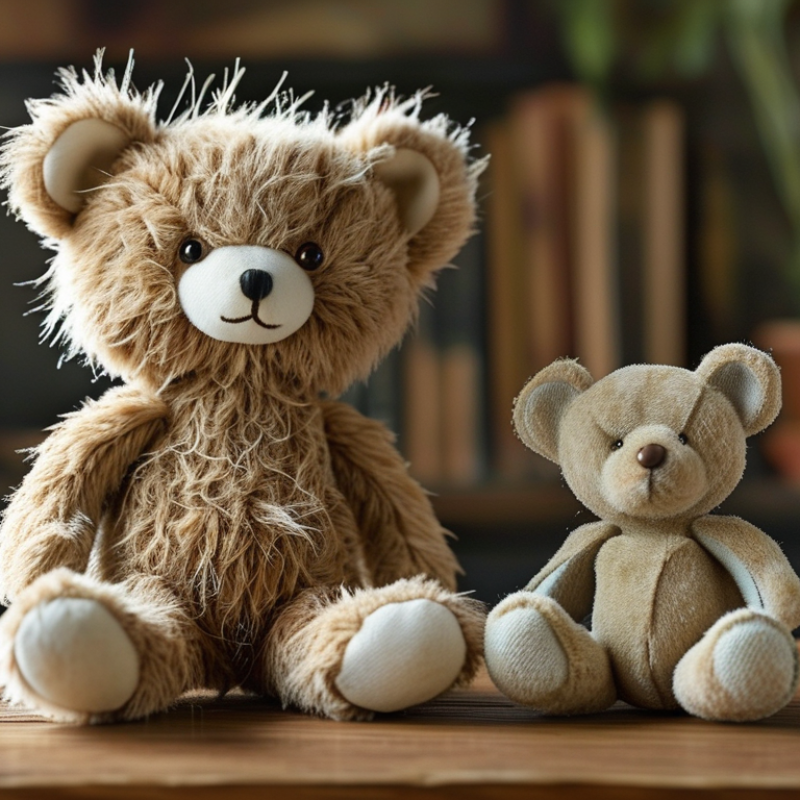
Properly drying stuffed animals is crucial for their longevity and hygiene. Research shows that stuffed toys can harbor dust mites, bacteria, and mold if not dried correctly. According to a study from the National Center for Health Statistics, around 20% of children have stuffed animals that never get cleaned. Neglecting proper care can lead to health issues for kids.
To safely dry stuffed animals, start with gentle methods. Air drying in a warm area can be effective. Avoid direct sunlight, as it may fade colors. Experts recommend using a hairdryer on a low heat setting. Hold it at a safe distance to prevent damage. Make sure the inside is dry as well to avoid musty smells.
Tip: Always check for care labels before washing or drying.
For deep cleaning, consider using a damp cloth for spot treatments. Many stuffed toys cannot withstand heat or washing machines. Over time, these methods may wear out the fabric. Regular maintenance is essential, however, many parents overlook this. Setting a schedule for cleaning can save hassle later.
Tip: Incorporate stuffed animal wash days into your routine.
This chart presents the effectiveness rating of various methods to dry stuffed animals. Each method is scored on a scale from 1 to 10, indicating how well it preserves the quality and safety of the stuffed animal during the drying process.
Improper drying methods for stuffed animals can lead to serious risks. One common hazard is mold growth. According to a study by the American Society for Microbiology, over 50% of stuffed toys harbor mold when dried improperly. Mold spores can cause respiratory issues, especially in children. Thus, ensuring stuffed animals are dried correctly is crucial.
Another risk involves the stuffing material. Some materials, like polyester, can become clumpy or misshapen when exposed to excessive heat. Research published in the Journal of Textile Science shows that improperly dried polyester can reduce the softness by 30%. This change not only affects the toy's feel but may also make it less safe for children.
Additionally, lack of careful drying can risk shrinking or color fading. A survey by the Toy Industry Association found that 70% of parents noted color changes in toys that were dried using unsafe methods. Attention to drying methods can help maintain the integrity and safety of these cherished items.
| Method | Effectiveness | Risks | Tips |
|---|---|---|---|
| Air Drying | High | Mold Growth if Humid | Ensure good airflow |
| Tumble Drying on Low | Medium | Burnt Fur | Use dryer balls |
| Using a Fan | High | Slow Drying | Position fan properly |
| Stuffing with Newspaper | Medium | Ink Transfer | Use unprinted paper |
| Sun Drying | Medium | Fading Colors | Limit direct sunlight |
| Dry Cleaning | High | Chemical Residue | Choose non-toxic products |
| Vacuum Drying | High | Equipment Required | Ensure vacuum seal |
| Use of a Dehumidifier | High | Over-drying | Monitor moisture levels |
| Heated Shelf | Medium | Risk of Burning | Adjust heat settings |
| Self-Contained Drying Machine | Very High | Miscalibration Issues | Regular maintenance required |
When it comes to drying stuffed animals, safety and care are paramount. Many parents worry about accidentally damaging their cherished toys. According to a survey from the Toy Industry Association, over 85% of parents prioritize safe cleaning methods for stuffed animals. Thus, finding effective, gentle drying methods is crucial.
One option is air drying. Lay the stuffed animal flat on a clean towel in a well-ventilated area. This ensures the fabric retains its shape. It might take longer, but it's safe for delicate materials. Another method is using a hairdryer on a cool setting. Keep it at least 12 inches away to avoid burns. This approach is quick but requires supervision to prevent overheating the toy.
Tips: Ensure the stuffed animal is machine washable before considering other methods. Regular washing reduces allergens like dust mites, as reported by a study from the National Sleep Foundation. Drying stuffed animals in the sunlight can help eliminate odors but be cautious; sunlight can fade colors over time. Always check the care label to prevent any mishaps.
Drying stuffed animals requires careful methods to retain their shape and color. One popular method is air drying. To do this, lay the stuffed animal flat on a clean, dry towel. Ensure it’s in a cool area away from direct sunlight, which could fade the fabric. This process can take several hours. Patience is key; rushing can lead to uneven drying and unwanted odors.
Another technique is using a fan. Place the stuffed animal on a stable surface. Position a fan nearby to circulate air around it. This method significantly cuts drying time. However, make sure the toy remains in a safe spot. Over time, this method may affect the stuffing. It’s essential to check periodically to avoid any damage.
Lastly, consider using a hairdryer on a low, cool setting. Hold the dryer at a distance of at least six inches. Move it steadily across the surface to prevent heat damage. Always pay attention to the stuffed animal’s fabric. Some materials may not respond well to this method. Reflect on the balance between speed and care in the drying process.
Drying stuffed animals requires careful attention to maintain their quality. Improper methods can damage the fabric or stuffing. It’s essential to choose a safe drying method that preserves their appearance and feel.
When drying, consider using a low-heat setting. High heat can cause colors to fade or fabrics to shrink. Lay the stuffed animal on a clean towel, shaping it gently. Pat the surface to absorb excess moisture. Avoid wringing or twisting, as this can distort its shape. Some might think air drying is adequate, but it can take long and lead to musty odors.
Regularly check for any signs of damage as they dry. Look for loose seams or fading colors. If any issues arise, consider hand stitching or patching. Always be attentive during the drying process. Keeping a close eye ensures your beloved stuffed animals remain a cherished part of your home.
: Air drying is the safest method. Lay the toy flat on a clean towel in a well-ventilated area.
Using a fan nearby can significantly cut drying time. Ensure the toy remains stable and safe during this method.
Yes, but use a low, cool setting. Keep the dryer at least six inches away to prevent heat damage.
Sunlight helps with odors, but it can fade colors over time. Be cautious with this method.
Air drying can take several hours. Patience is important to avoid uneven drying and bad smells.
Avoid wringing or twisting the toy, as this can distort its shape and damage the fabric.
Regularly inspect for loose seams or fading colors. Early detection can help with repairs.
High heat can cause colors to fade. Always opt for low heat settings when using drying appliances.
Yes, regular washing helps reduce allergens like dust mites and keeps toys fresh.
Care labels provide specific instructions. Following them helps prevent damage during the drying process.
Properly drying stuffed animals is crucial to maintain their quality and longevity. Improper drying methods can lead to risks such as mold growth, fabric damage, and loss of shape. In the article "China Top 10 Safe Methods to Dry Stuffed Animals How to Do It?", various safe techniques are explored to ensure stuffed animals are dried effectively without compromising their integrity.
The top 10 safe methods provided include detailed step-by-step guides for each technique, allowing readers to understand how to dry a stuffed animal safely. Additionally, the article offers tips to further preserve the quality of stuffed animals during the drying process, ensuring they stay soft, clean, and visually appealing. By following these guidelines, pet owners can confidently maintain their beloved stuffed companions.

Ottoman Toys