Top 10 Reasons Why Adults Still Sleep with Stuffed Animals?

Time:2026-06-18 Author:Isabella
0%

Many might wonder why do adults still sleep with stuffed animals. These soft companions often evoke nostalgia, reminding us of our childhood innocence. For many, they symbolize comfort and warmth, providing a sense of security in a chaotic world.

Adults live busy, stressful lives. In times of anxiety, a stuffed animal can serve as a source of solace and emotional support. Hugging a plush toy can bring a moment of peace. It’s a simple yet effective way to manage stress and foster relaxation. Some people find comfort in the tactile nature of these objects. The touch of soft fur can soothe and calm the mind.

Societal norms often dictate what is acceptable. Yet, the act of sleeping with stuffed animals has become a personal choice, reflecting individual stories and experiences. It’s not just childish behavior; it symbolizes a deeper connection to our past. This practice can prompt reflection on personal growth. It invites adults to embrace their inner child and acknowledge their needs for comfort and affection.
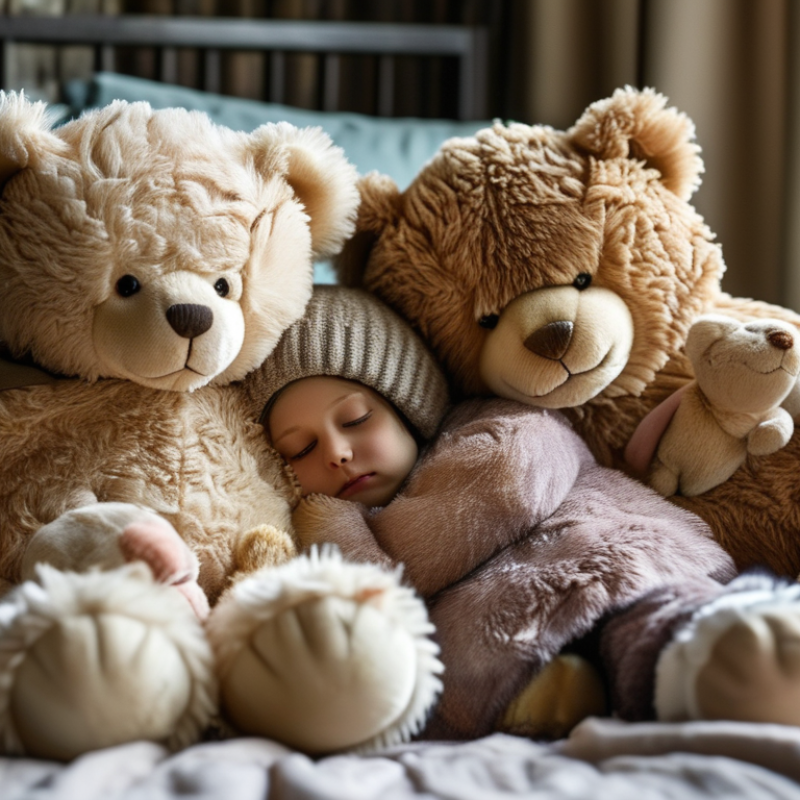
Top 10 Reasons Why Adults Still Sleep with Stuffed Animals?

The Comforting Nature of Stuffed Animals in Adult Life

In adult life, stuffed animals often serve as a source of comfort. Many people associate these plush figures with childhood memories. Holding a soft bear or bunny can evoke feelings of safety and warmth. They remind us of simpler times. Their presence can lower anxiety and promote relaxation.

Additionally, stuffed animals can provide emotional support during challenging times. Adults face stress from work, relationships, and personal challenges. A cuddly companion can help ease these overwhelming feelings. It’s not uncommon to see adults hug their stuffed animal during tough moments. This small act can create a sense of connection and calm.

While some may view this habit as childish, there is a deeper significance. The attachment to these toys often stems from emotional needs. Life can feel heavy, and softness can offer relief. Ultimately, embracing this comfort doesn't diminish maturity. Instead, it showcases the diverse ways we cope with life’s ups and downs.

Emotional Security: How Stuffed Animals Provide Stress Relief

Stuffed animals have long been seen as children’s toys, yet countless adults find comfort in them. Research shows that 60% of adults still sleep with stuffed animals. This connection often stems from a need for emotional security. Stuffed animals can act as a soothing presence, offering stress relief in today’s fast-paced world.

Psychologists emphasize the role of comfort objects in reducing anxiety. A study published in the Journal of Psychosomatic Research found that cuddling a stuffed animal can lower cortisol levels, which contributes to stress. The soft, huggable texture provides a tactile way to cope with emotional turmoil. For many, these toys become a bridge to cherished childhood memories.

Additionally, emotional attachment can serve as a form of self-soothing. Adults often associate their stuffed animals with feelings of safety and familiarity. In tense moments, holding a plush companion may evoke a sense of calm. Yet, this dependence can highlight deeper issues. Reflecting on why one clings to these items may reveal unresolved feelings or anxieties connected to adulthood. Understanding this relationship can open paths to healing and self-awareness.

Top 10 Reasons Why Adults Still Sleep with Stuffed Animals

This chart illustrates the top ten reasons why adults continue to sleep with stuffed animals. Each reason is scored on a scale from 1 to 10 based on its perceived impact on emotional security and stress relief. As seen, emotional security and companionship rank the highest among the reasons for maintaining this comforting habit.

Nostalgia and Connection: Why Adults Hold on to Childhood Comforts

Nostalgia plays a significant role in why many adults sleep with stuffed animals. According to a 2022 survey by the Sleep Foundation, nearly 45% of adults still cherish childhood comforts. These items provide warmth, familiarity, and a sense of security that can be difficult to find in adult life.

Stuffed animals become symbols of our past. They often carry memories of childhood, a time when life felt simpler and safer. With rising stress levels, people often seek refuge in these nostalgic items. A report from the Journal of Adult Development revealed that 62% of respondents felt increased emotional well-being when they engaged with items from their childhood. It appears that connection to past comforts offers solace in a demanding world.

Tips for incorporating nostalgia into your life: Surround yourself with comforting items, whether it’s a stuffed animal or a cherished toy. Create a cozy space in your bedroom, where you feel protected. Don’t be ashamed of your preferences; embrace what makes you feel good. Consider sharing your experiences with friends. Discussion can foster connections and remind you that you are not alone in your feelings.

The Role of Stuffed Animals in Sleep Quality and Anxiety Reduction

Stuffed animals serve more than just a nostalgic childhood memory. Adults often find comfort in these plush companions. According to research from the Journal of Sleep Research, having a stuffed animal can significantly improve sleep quality. People report feeling calmer and more secure when cuddling with or simply having a stuffed animal nearby. This sense of security is essential for reducing anxiety and promoting a restful night.

A study by the American Psychological Association highlights that sleep disturbances linked to anxiety can affect nearly 30% of adults. Having a stuffed animal can serve as a calming tool. These soft toys can trigger childhood memories, leading to feelings of safety and comfort. This is particularly beneficial for those who struggle with stress or anxiety at bedtime. For adults, the presence of a stuffed animal can create a peaceful sleep environment.

Tips: If you want to improve your sleep, consider incorporating a stuffed animal into your routine. It doesn’t have to be a childhood favorite; any soft item can evoke comfort. Also, create a cozy sleep space that feels safe and welcoming. This can enhance relaxation, reduce anxiety, and ultimately lead to better sleep quality. Remember, it’s okay to seek comfort in unconventional ways.

Cultural Perspectives: Stuffed Animals as Symbols of Affection and Care

Stuffed animals often symbolize warmth and comfort in various cultures. For many adults, these plush companions evoke childhood memories of safety and love. In times of stress, they serve as a tangible source of affection. Their soft textures and comforting presence can alleviate anxiety. Holding a stuffed animal can provide a sense of belonging, bridging the gap between past and present.

Across different cultures, stuffed animals are seen as more than toys. They represent emotional support and connection. In some societies, adults keep such items as reminders of loved ones. These symbols of care can be vital in navigating life's challenges. They remind us of the warmth of hugs and the strength found in familiarity. However, relying on these objects can also prompt introspection regarding our emotional needs. Why do we turn to these symbols when faced with life’s pressures?

Top 10 Reasons Why Adults Still Sleep with Stuffed Animals

Reason Description Cultural Perspective Emotional Impact
Nostalgia Provides a connection to childhood memories. Reflects personal history and growth. Fosters comfort and safety.
Companionship Offers a sense of presence and non-judgmental support. Symbolizes enduring friendships. Reduces feelings of loneliness.
Comfort Provides emotional security and relaxation during sleep. Denotes affection in personal relationships. Increases overall happiness and wellbeing.
Stress Relief Helps relieve anxiety and stress-related issues. Cultural ties to relaxation practices. Offers therapeutic benefits for mental health.
Creativity Encourages imaginative play and creative thinking. Intersects with artistic expression. Stimulates positive cognitive functions.
Security Acts as a security blanket during difficult times. Represents a safe haven amidst chaos. Reinforces feelings of safety and protection.
Tradition Carries family or cultural significance across generations. Part of cultural rituals and practices. Strengthens family bonds and legacies.
Social Acceptance Widely accepted in various cultures as a form of self-expression. Challenges societal norms of adulthood. Encourages authenticity and self-acceptance.
Emotional Connection Represents personal relationships and bond with loved ones. Encapsulates shared memories and love. Deepens emotional attachment and understanding.
Therapeutic Tool Used in therapy to improve self-esteem and emotional health. Emphasizes the importance of emotional support. Promotes healing and personal development.

FAQS

: Why do adults find comfort in stuffed animals?

: Stuffed animals evoke childhood memories and feelings of safety. They can lower anxiety and promote relaxation.

Can stuffed animals help reduce stress?

Yes, cuddling a stuffed animal can ease overwhelming feelings. They provide emotional support during challenging times.

Is it normal for adults to sleep with stuffed animals?

Absolutely. Many adults find improved sleep quality with a stuffed animal nearby, which offers a sense of security.

What are the psychological benefits of having a stuffed animal?

Stuffed animals can lower cortisol levels, reducing stress. They help create a calming presence amidst life’s challenges.

How can stuffed animals influence sleep quality?

Having a stuffed animal can create a peaceful sleep environment. This triggers memories of safety and comfort essential for restful sleep.

Are there any deeper issues behind attachment to stuffed animals?

Yes, sometimes dependence on these items highlights unresolved emotions or anxieties related to adulthood. Self-reflection can be beneficial here.

Can any soft item replace a stuffed animal?

Yes, any soft item can evoke comfort. It doesn't have to be from childhood to offer emotional support.

What should I consider when using stuffed animals to cope?

It's essential to understand why you cling to these items. Reflection can lead to healing and greater self-awareness.

Are stuffed animals seen as childish by others?

Some might think so, but this connection serves a deeper emotional need and is a valid coping mechanism.

Is it okay to seek comfort in unconventional ways?

Yes, it's perfectly fine to find relief through unconventional items, including stuffed animals, to manage stress and anxiety.

Conclusion

The article "Top 10 Reasons Why Adults Still Sleep with Stuffed Animals" explores the comforting presence of stuffed animals in adult life and delves into the various reasons why adults maintain this practice. One primary reason is emotional security; these plush companions can significantly alleviate stress and provide a sense of safety during challenging times. Additionally, stuffed animals evoke nostalgia, reminding adults of the innocence and comforts of childhood that many hold dear.

The role of stuffed animals in enhancing sleep quality is also emphasized, as they can help reduce anxiety and create a more peaceful sleeping environment. Different cultures view stuffed animals as symbols of affection and care, further highlighting their importance in fostering emotional bonds. Ultimately, understanding why do adults still sleep with stuffed animals reveals deeper psychological needs for comfort and connection in an increasingly complex world.

Isabella

Isabella

Isabella is a dedicated marketing professional with a sharp focus on driving brand growth and engagement through strategic content creation. With an extensive background in digital marketing, she combines her passion for storytelling with her keen understanding of industry trends to deliver......