Cigarette odor in plush toys is more than an unpleasant smell. Smoke particles can settle into fabric, stuffing, seams, and synthetic fur, where ordinary airing may not remove them. The World Health Organization’s WHO Report on the Global Tobacco Epidemic 2023 estimated 1.25 billion tobacco users worldwide. Meanwhile, the U.S. Environmental Protection Agency warns that tobacco smoke contains thousands of chemicals, including substances that can remain on indoor surfaces.
This matters because children often hug, sleep beside, and mouth stuffed animals. Thirdhand smoke can cling to a toy long after the visible smoke disappears. Dr. Georg Matt, a leading thirdhand-smoke researcher, describes it this way: “Thirdhand smoke is tobacco smoke contamination that remains after a cigarette has been extinguished.” That warning gives this cleaning guide a practical foundation.
The focus is how to get cigarette smell out of stuffed animals without damaging delicate fibers, glued eyes, or hidden electronics. Our ten tips examine ventilation, washable covers, gentle detergents, baking soda, controlled sunlight, and professional cleaning. Each method has limits. Be realistic.
A toy may smell cleaner while residues remain inside. Scented sprays can mask odors instead of removing them. Overwashing can flatten fur or loosen seams. The U.S. Consumer Product Safety Commission also recommends following care labels and inspecting children’s products for damage. Experience matters here: test a hidden patch, dry the toy completely, and reconsider heavily contaminated items. Clean air is the real goal, not perfume.
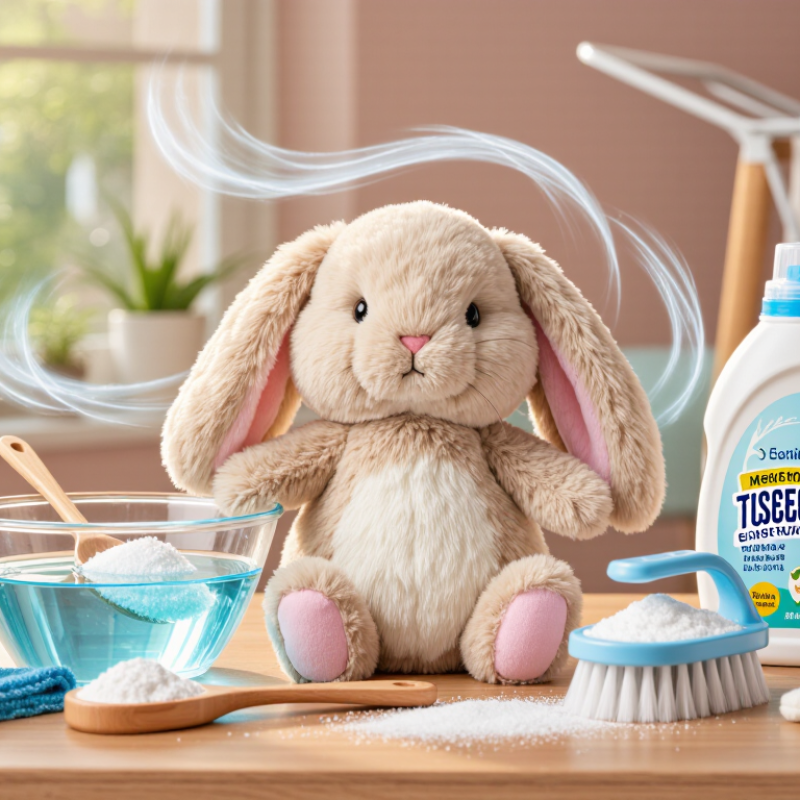
Before cleaning, identify where the cigarette smell entered the plush toy. Check the fur, seams, label, storage bag, and stuffing openings. Odor may come from nearby furniture, smoke-contaminated packaging, or the filling itself. A 2011 Tobacco Control study reported that nicotine residue can remain on indoor surfaces for months. Plush fibers can hold these residues longer than smooth plastic.
Care Assessment Assess the fabric and filling carefully. Polyester fur usually tolerates gentle washing, but glued eyes, electronic parts, foam, wool, and natural cotton filling may react badly to water. Read the care label, then test a hidden area with a damp white cloth. Look for color transfer, sticky backing, or loose fibers. Do not assume “washable” means fully washable.
The Filling Matters Most The filling matters most. Loose polyester fiberfill can retain odor, while dense foam may dry slowly and develop a musty smell. A 2010 Environmental Health Perspectives review explained that thirdhand smoke chemicals can remain indoors and react with other pollutants. This supports cleaning the outer fabric and inspecting the interior. For delicate toys, surface cleaning and extended ventilation may be safer than soaking. I would not trust fragrance alone; it can mask the source. When the smell returns after drying, the filling probably needs closer assessment.
Removing cigarette smell from a plush toy should begin with preparation, not perfume. Tobacco smoke contains more than 7,000 chemicals, according to the World Health Organization’s tobacco data. Some residues can cling to fabric and stuffing. Move the toy outdoors or near an open window. Keep it away from children, pets, food, and direct sunlight.
Check the care label and inspect every seam. Remove batteries, sound modules, ribbons, and loose accessories when possible. Shake the toy gently outside, then vacuum its surface with a clean upholstery attachment. Do not soak electronic toys. Test any mild cleaning solution on a hidden area first. A small color change is still a warning.
Ventilation matters.
Use cross-airflow for several hours in a dry, shaded place. Position a fan to push air outward, rather than blowing odors around the room. The U.S. Environmental Protection Agency notes that ventilation cannot fully remove tobacco-smoke pollutants indoors, so an open window alone may not be enough. Avoid ozone machines, strong solvents, bleach, and high heat. They may damage fibers or leave new chemical odors. In my experience, airing helps most when the toy is already clean; it cannot replace washing when the care label permits it. I may be wrong about stubborn smells, though. Deep stuffing can hold odor longer than the surface suggests. Recheck the toy after twenty-four hours before returning it to regular use.
| No. | Odor-Removal Tip | How to Apply It | Typical Time | Safety and Care Considerations |
|---|---|---|---|---|
| 1 | Check the Care Label First | Confirm whether the plush toy is machine-washable, hand-washable, surface-clean only, or unsuitable for water. Remove batteries, sound modules, clothing, and accessories when possible. | 5–10 minutes | Follow the manufacturer’s instructions. Water can damage electronic parts, glued decorations, cardboard inserts, or delicate stuffing. |
| 2 | Ventilate Before Cleaning | Place the toy outdoors in a shaded, dry, well-ventilated area or near an open window with moving air. Keep it away from smoke, cooking fumes, and strong fragrances. | Several hours to 1 day | Use shade rather than prolonged direct sunlight to reduce fading and fabric damage. Keep the toy dry and protected from rain, dust, and pests. |
| 3 | Remove Surface Dust | Gently vacuum the fabric using a clean upholstery attachment covered with a thin mesh or clean cloth. Brush in the direction of the pile. | 5–15 minutes | Use low suction and avoid pulling loose eyes, ribbons, fur, seams, or embroidered details. |
| 4 | Use Baking Soda for Dry Deodorizing | Place the toy in a large breathable bag or container with an open bowl of baking soda, keeping the powder from directly contacting the toy. Seal loosely and shake gently once or twice. | 8–24 hours | Do not use this method for toys that may be mouthed by infants until all powder residue has been completely removed. Vacuum the toy afterward. |
| 5 | Add Activated-Carbon Absorption | Put the toy in a clean, ventilated storage box with an activated-carbon odor absorber placed beside it, not on it. Leave air space around the toy. | 1–3 days | Use an enclosed absorber or pouch so carbon granules cannot spill. Keep the container dry and out of children’s reach. |
| 6 | Spot-Test a Mild Cleaner | Test a small hidden area with a solution of lukewarm water and a small amount of mild, fragrance-free detergent. Blot gently with a white cloth. | 10–20 minutes | Wait until the test area dries before continuing. Stop if dye transfers, fabric changes texture, or adhesive softens. |
| 7 | Wash Only When Permitted | For washable toys, use a mesh laundry bag, cold or lukewarm water, a gentle cycle, and a small amount of mild detergent. An extra rinse can help remove detergent residue. | 30–60 minutes | Do not use chlorine bleach or harsh solvents. Hand-wash delicate toys and avoid soaking toys with electronic or glued components. |
| 8 | Rinse and Dry Thoroughly | Press out water with a clean towel without twisting. Reshape the toy and dry it completely in a well-ventilated place before storage or use. | 24–48 hours | Moisture trapped in stuffing can cause mildew and renewed odors. Do not use high heat unless the care label specifically permits it. |
| 9 | Repeat Air Exchange if Needed | After cleaning, continue shaded ventilation and turn the toy periodically so all sides are exposed to fresh air. Keep room ventilation running when practical. | 1–3 additional days | Odors from smoke residue may require multiple mild treatments. Avoid covering the toy in plastic while any odor or moisture remains. |
| 10 | Use Professional Cleaning for Persistent Residue | If the toy still smells strongly after suitable cleaning and ventilation, consult a textile or stuffed-toy cleaning service, especially for antique, collectible, or structurally delicate items. | Service-dependent | Do not use ozone generators, perfume sprays, ammonia, or mixed cleaning chemicals. Ozone and strong chemicals may damage materials and create additional health risks. |
China Top 10 Tips to Remove Cigarette Smell from Plush Toys
Cigarette odor can cling to plush fibers, seams, and stuffing. Begin by removing clothing, tags, and detachable accessories. Check the care label carefully. If none exists, inspect a hidden area before cleaning. A small color test prevents a larger mistake. In practice, gentle treatment works better than heavy perfume.
Take the toy outdoors in a shaded, well-ventilated place for several hours. Avoid direct sunlight, which may fade dyed fabric. Use a vacuum with a soft brush to lift surface dust and residue. Keep the nozzle slightly away from delicate fur. Do not scrub aggressively.
Mix cool water with a small amount of unscented mild detergent. Dip a clean cloth into the solution, then wring it almost dry. Blot the plush surface section by section. Never soak the stuffing unless the care instructions clearly allow it. Press with a second damp cloth to remove soap. A soft toothbrush can clean seams gently.
For odor absorption, place the dry toy in a large container with an open bowl of baking soda or activated charcoal nearby. Do not scatter powder directly on the toy. Leave it overnight, then vacuum lightly.
Dry the toy with towels and cool moving air. Avoid high heat, hair dryers, and sealed plastic bags. Check the stuffing completely before storage. Dampness can create a musty smell.
Repeat the process once if needed. I have found that one cleaning session rarely removes deep odor. That is inconvenient, but patience protects the toy.
Antique, electronic, or heavily stained plush toys may need a qualified textile cleaner.
Persistent tobacco odor often hides inside the stuffing, not just on the fur. Check the care label before cleaning. Remove batteries, sound units, or loose accessories. Place the toy outdoors in fresh, dry air, preferably in bright shade. Avoid strong midday sunlight, which can fade fabric and weaken glued parts. Turn the toy every few hours so air reaches all sides. Two or three days may be necessary.
For stubborn smells, put the plush toy in a large breathable container with an open bowl of baking soda or activated charcoal nearby. Do not scatter powder directly onto the fur. The absorbent needs contact with the air, not the toy. Close the container loosely, then replace the absorbent every 24 to 48 hours. Leave space around the toy. A sealed plastic bag can trap moisture and create a musty problem.
If the label permits washing, use a gentle cycle and mild detergent, then rinse thoroughly. Press water out with towels instead of twisting the stuffing. Dry the toy completely in moving air before storage. I once used too much baking soda and spent longer removing residue than removing odor. That mistake matters. Strong fragrance sprays may hide tobacco smells temporarily, while adding another scent to the fibers. Test any cleaning method on a hidden seam, and stop if the color changes or the fabric feels stiff.
Cigarette odor can settle deep inside plush toys, not only on their fur. The U.S. Centers for Disease Control and Prevention reports that cigarette smoke contains more than 7,000 chemicals. Some residues can remain on fabrics and surfaces after the visible smoke disappears. The U.S. Environmental Protection Agency also notes that indoor pollutant levels may be two to five times higher than outdoor levels. Therefore, odor removal needs careful drying and storage, not just perfume.
Tip: Dry the plush toy completely after cleaning. Press it gently with a clean towel, then place it near moving air. Avoid strong heat, which may damage synthetic fibers, glue, or plastic eyes. Check the seams, ears, stuffing, and clothing for trapped moisture. A cool, dry room is safer than a closed bathroom. I sometimes rush this step, but damp stuffing can bring the smell back.
Tip: Inspect the toy under bright light before storing it. Smell the fabric after several hours, not immediately after cleaning. If the odor remains, repeat a mild cleaning method instead of mixing chemicals. Once dry, store the toy in a breathable cotton bag or an open shelf away from smoking areas. Do not seal it in plastic until the smell and moisture are gone. Storage matters. Even a clean toy can absorb nearby odors again.
Dry, inspect, and store plush toys correctly to help prevent odor from returning.
The chart shows practical household contact or waiting times for each odor-control step. Always check the toy’s care label first, avoid soaking toys with electronic parts, and make sure the plush toy is completely dry before storage.
Check the fur, seams, label, storage bag, and stuffing openings. Odor may come from contaminated packaging or nearby furniture. The filling can hold smells for months. Do not trust the surface alone.
Read the care label before using water. Test a hidden seam with a damp white cloth. Watch for color transfer, sticky backing, or loose fibers. “Washable” does not always mean fully washable.
Remove clothing, tags, batteries, sound units, and loose accessories. Glued eyes and electronic parts may react badly to moisture. Keep small parts away from children and pets. That detail is easy to miss.
Vacuum lightly with a soft brush held slightly above the fur. Mix cool water with a little unscented mild detergent. Blot small sections using an almost-dry cloth. Do not scrub hard or soak the stuffing.
Place the dry toy inside a large breathable container. Put an open bowl of baking soda or activated charcoal nearby. Do not scatter powder directly on the fur. Replace the absorbent every 24 to 48 hours.
Leave it outdoors for several hours after surface cleaning. Persistent odors may require two or three days. Use bright shade and turn the toy regularly. Avoid strong midday sunlight.
Press water out with clean towels. Do not twist the stuffing. Use cool, moving air until the interior feels completely dry. Avoid high heat, hair dryers, and sealed plastic bags.
The stuffing may still contain the odor source. Inspect dense foam, loose fiberfill, and damp areas carefully. Repeat gentle cleaning once if the label permits. I would not rely on fragrance sprays; they may only mask the smell.
Stop if the color changes, fabric stiffens, or glued parts loosen. Antique, electronic, or heavily stained toys need extra caution. A qualified textile cleaner may be safer. One attempt can still go wrong.
Removing cigarette odor from plush toys requires a careful, fabric-friendly approach. Start by identifying where the smell is strongest and checking the toy’s fabric, seams, decorations, and filling for cleaning limitations. Before treating it, remove loose dust, take off any washable accessories, and place the toy in a well-ventilated area. Gentle surface cleaning with a mild, diluted solution can help neutralize odor without soaking the stuffing or damaging delicate materials. Always test a hidden area first and avoid harsh chemicals, excessive moisture, and high heat.
For persistent tobacco odors, use odor-absorbing materials near the toy in a clean, enclosed container, while allowing regular access to fresh air. Rotate the toy carefully so all sides can ventilate, then dry it completely before use. Inspect the seams, filling, and surface for remaining odor or dampness, repeating mild treatment only when necessary. Once clean and dry, store the plush toy in a cool, dry place with good airflow. These practical steps explain how to get cigarette smell out of stuffed animals while helping preserve their softness, shape, and comfort.

Ottoman Toys