Washing plush toys can be a delicate task. Many people wonder how to wash plush toys without ruining them. These soft companions often hold sentimental value, making their care essential. Using the wrong method can lead to irreversible damage.
Understanding fabric types is crucial. Not all plush toys can withstand the same cleaning methods. Some may require hand washing, while others are machine washable. Read labels carefully. Ignoring this step often results in unexpected mishaps.
It's not just about cleanliness; it's about preserving memories. Each stain tells a story. However, neglecting proper care can lead to faded colors or misshapen forms. With the right tips, you can bring your plush toys back to life while ensuring they remain intact. Let’s explore some effective strategies to keep your beloved toys safe during the washing process.
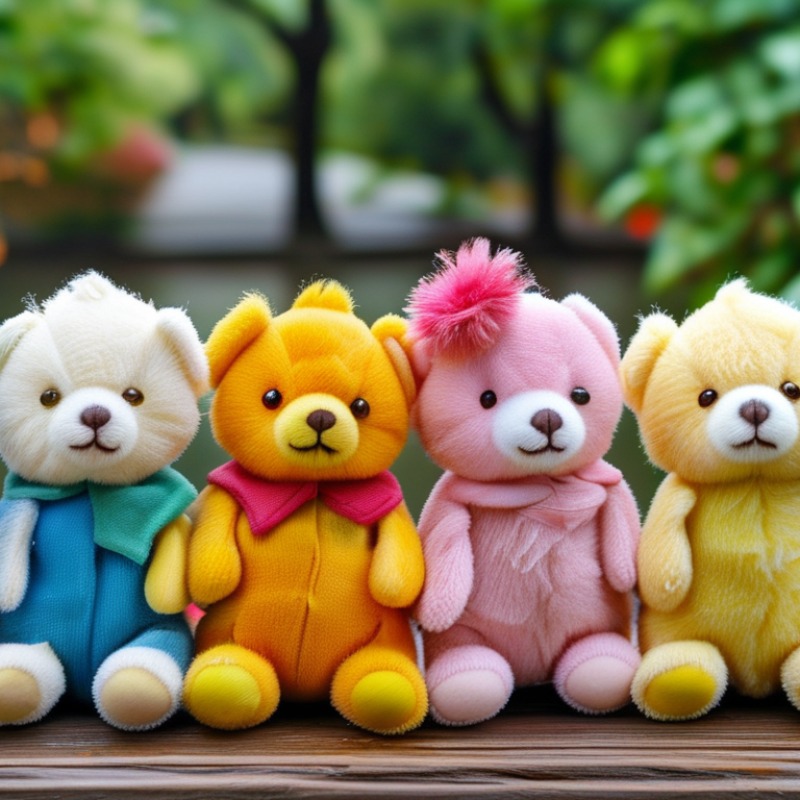
When it comes to washing plush toys, the right method can make all the difference. Plush toys often carry sentimental value, so it's essential to treat them gently. For delicate toys, hand washing is often the safest approach. Fill a basin with lukewarm water and mild detergent. Gently swish the toy in the water, ensuring you don’t scrub too hard. Rinsing thoroughly is crucial to remove all soap residues.
For sturdier plush toys, machine washing may be acceptable. Place them in a laundry bag to protect them during the wash cycle. Use a gentle cycle with cold water. Avoid fabric softeners, as they can damage the fibers. Air drying is the best option afterward. Avoid placing plush toys in the dryer, as the heat can cause them to lose shape or become damaged.
Reflecting on past experiences, I’ve learned that not all methods work equally well for every toy. Some toys may shrink or lose their original form after washing. Always consider the care label before washing. It's important to remember that washing plush toys isn't always a perfect science. Testing a small, inconspicuous area first can save you from future disappointment.
When washing plush toys, careful inspection is key. Start by examining the toy for delicate parts. Look for buttons, embroidery, or glued elements that could easily come off. According to a study by the American Cleaning Institute, improper cleaning can lead to irreversible damage, making this step crucial.
Stains require special attention. Identify the source, whether it’s chocolate, mud, or urine. Different stains need different treatments. For example, protein stains require cold water, while others might need a specific cleaning solution. The International Fabricare Institute recommends spot testing any cleaner on a hidden area, ensuring no discoloration occurs.
After inspection, document the toy's condition. Note specific areas of concern. This reflection can guide you during the washing process. It’s easy to overlook details when you're eager to refresh a beloved item, but ignoring fragile elements can lead to unfortunate results. Each plush toy tells its own story; preserving that narrative through careful washing is essential.
When washing plush toys, selecting the right detergent is crucial. Many commercial detergents contain harsh chemicals that can damage the fabric. Opt for mild, hypoallergenic options instead. These are designed to be gentle on sensitive skin and will protect your toy's materials.
You might want to consider using a laundry bag. This can help to shield your plush toy during the wash. For some toys, you may even prefer hand washing. Using your hands allows for a more controlled cleaning process. Ensure the water is lukewarm to prevent shrinking.
Quick tests can be helpful. Try a small amount of detergent on an inconspicuous area first. This will help you determine if the toy can handle the detergent. If there’s any color bleeding, you might need to consider a different approach. Each plush toy is unique and may require different care. Understanding this can help you avoid painful mishaps with beloved toys.
| Tip No. | Tip Description | Recommended Detergent Type | Wash Method |
|---|---|---|---|
| 1 | Check labels for care instructions | Gentle, hypoallergenic detergent | Follow label guidelines |
| 2 | Remove any accessories or parts | N/A | Spot clean as needed |
| 3 | Use a laundry bag for washing | Mild detergent | Machine wash on gentle cycle |
| 4 | Test for colorfastness | N/A | Use damp cloth to test |
| 5 | Avoid hot water for washing | Cold water detergent | Wash in cold water |
| 6 | Air dry instead of tumble dry | N/A | Lay flat to dry |
| 7 | Use white vinegar for sanitizing | N/A | Add to rinse cycle |
| 8 | Avoid bleach and heavy chemicals | Mild detergent | Stick to gentle products |
| 9 | Use a soft brush for tough stains | Spot cleaning detergent | Gently scrub with a brush |
| 10 | Store plush toys in a clean area | N/A | Avoid damp or dirty spaces |
When it comes to washing plush toys, understanding the fabric is crucial. Different materials require unique care methods. For instance, a study by the American Cleaning Institute shows that synthetic fibers are generally more durable. Machine washing is safe for them, but it’s still best to use a gentle cycle. This approach minimizes abrasion, preserving the plush texture.
On the other hand, natural fibers like cotton can be more delicate. Hand washing is often the safest. A solution of mild detergent and lukewarm water works well. Soaking for about 10 to 15 minutes can help remove dirt without damaging the fabric. Many plush toys also have embellishments that can be vulnerable. Always inspect these areas before washing. This detail can save the toy from losing its charm.
Wool and silk plush toys are another story. These fabrics are prone to felting when washed improperly. Dry cleaning is often recommended, according to experts from textile care organizations. However, if you choose to hand wash, keep the water temperature below 30 degrees Celsius. It’s easy to overlook the specific needs of each fabric, and this simple mistake can lead to unfixable damage. Such factual nuances can make a difference.
After washing plush toys, the drying process is crucial. Avoid using a heat dryer, as it can damage the fabric and stuffing. Instead, gently squeeze out excess water with a towel. Lay the toys on a flat surface. This position helps maintain their shape. Ensure they are in a shaded area to prevent sunlight fading.
Care involves regular inspection for wear and tear. Look for fraying seams or loose stuffing. If you notice these issues, consider a simple stitch repair. This can extend the life of your beloved toy. Use a lint roller to keep them clean between washes. It’s an easy way to remove dust and debris without damaging the fabric.
Plush toys often hold sentimental value. Reflect on their condition and history as you care for them. Remember, over-washing can lead to fading or loss of softness. Finding the right balance in care can preserve these childhood treasures.
: Look for delicate parts like buttons and embroidery. Identify any glued elements that might come off easily.
Identify the stain source first. Different stains, like chocolate or urine, require specific treatments.
Spot test the cleaner on a hidden area. Ensure there’s no discoloration before applying it to the whole toy.
Use a gentle machine cycle. This preserves the plush texture while cleaning effectively.
Hand wash in mild detergent with lukewarm water. Soak for 10 to 15 minutes to remove dirt gently.
Dry cleaning is ideal, but if hand washing, keep the water below 30 degrees Celsius to avoid damage.
Avoid heat dryers; instead, gently squeeze excess water out and lay the toys flat to maintain their shape.
Inspect for frayed seams or loose stuffing. Simple repairs can extend their lifespan significantly.
Be cautious; over-washing can lead to fading. Clean them as needed while considering their condition.
Each plush toy has its own history. Reflecting helps maintain their sentimental value while ensuring proper care.
When it comes to how to wash plush toys without ruining them, selecting the right method is crucial. Start by performing a pre-wash inspection to identify any delicate parts and stains that may require special attention. Choose appropriate detergents specifically designed for soft toys to ensure they remain safe during the cleaning process.
Follow step-by-step washing techniques tailored to the various fabrics of the plush toys, as different materials may have unique care requirements. After washing, proper drying and caring for the toys are essential to maintain their shape and softness, ensuring that your beloved plush items remain in excellent condition for years to come.

Ottoman Toys