Shipping large plush toys can be a costly challenge for retailers and consumers alike. According to a 2022 report by the U.S. Census Bureau, e-commerce in the toy industry increased by over 10% year-on-year. This surge in demand highlights the importance of finding efficient shipping methods. Knowing *how to ship large plush toys cheaply* can significantly lower operational costs for businesses.
Many businesses underestimate the weight and size implications of plush toys. The average shipping costs can be three times more than the toy's retail price. Reports indicate that utilizing regional carriers can save up to 30% in shipping costs compared to traditional couriers. Understanding packaging options is also crucial for ensuring efficiency and minimizing overspending on supplies.
Despite these insights, frequent challenges arise in the shipping process. Errors in estimating dimensions can lead to unexpected fees. Additionally, consumers often struggle with delays in delivery times. Reflecting on these issues helps in refining shipping strategies further. By focusing on effective methods, businesses can enhance customer satisfaction while maintaining profit margins.
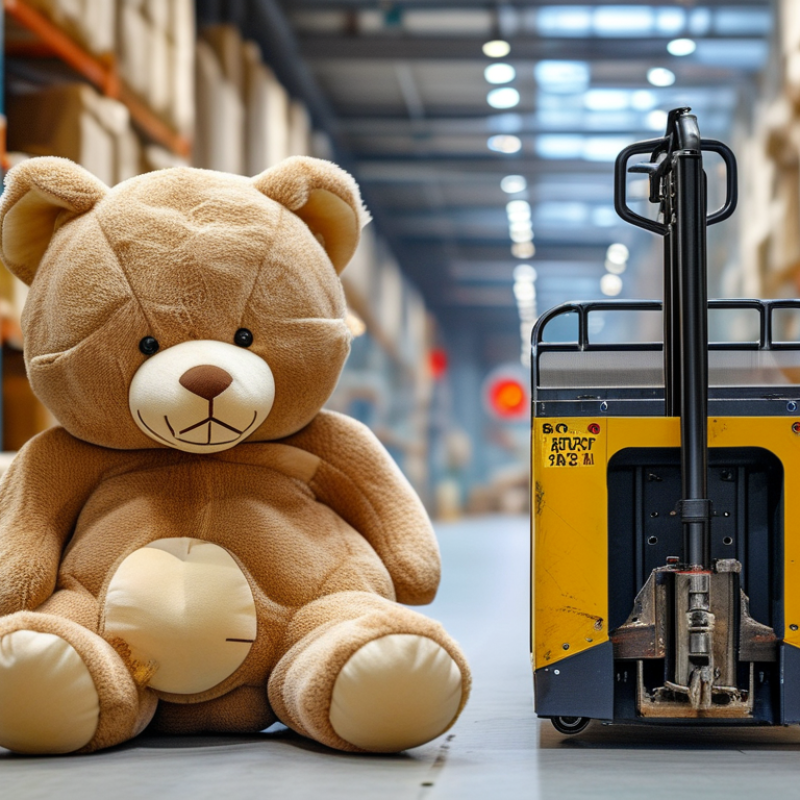
When shipping large plush toys, understanding their dimensions and weight is crucial. Many shipping companies calculate costs based on these factors. For instance, a 40-inch stuffed animal can weigh between 3 to 10 pounds. The weight class affects shipping fees significantly. A report from the Packaging Corporation of America highlights that oversized packages can incur additional surcharges, sometimes increasing costs by 50%.
Shipping dimensions also play a key role in costs. For a plush toy, dimensions can vary widely. A plush unicorn might measure 36 inches long, 30 inches wide, and 20 inches tall. Each carrier uses dimensional weight pricing to evaluate shipments. According to the National Motor Freight Traffic Association, a package's volumetric weight can exceed its actual weight, resulting in higher fees. Hence, it’s vital to measure your product correctly before shipping.
Space efficiency is another consideration. Using appropriate packaging minimizes wasted space. A well-fitted box will use less material, which can cut costs. However, some may choose oversized boxes for added protection. This choice can lead to unnecessary expenses. Reflecting on these choices is essential for cost-effective shipping solutions for large plush toys.
When shipping large plush toys, choosing the right packaging materials is crucial for ensuring their safe journey. The right materials provide protection from impacts and prevent deformation during transit. Start by selecting sturdy boxes that can hold the toy securely without bending.
Consider using bubble wrap or foam padding. These materials offer cushioning and absorb shocks. Wrap the plush toy gently but snugly, ensuring that all parts are well protected. Avoid excess loose space in the box; it can lead to movement and potential damage. Using filler materials can help stabilize the toy in the box.
Using biodegradable packing peanuts is another option. They offer excellent shock absorption and can be a more eco-friendly choice. Remember to seal your boxes with strong tape. Avoid flimsy packing tape; it may not withstand the shipping process.
Be mindful of weight restrictions as well. While padding is important, too much can increase shipping costs. Strike a balance between protection and cost-efficiency by choosing lightweight yet durable materials. Your packaging not only protects the plush toys but also reflects your care as a seller or shipper.
When considering cost-effective shipping options for large plush toys, it’s essential to explore various carriers. Studies indicate that shipping costs can account for up to 10% of total sales for small businesses. Utilizing flat-rate shipping can be a smart choice. These services often provide predictable pricing, regardless of the destination. For instance, the typical flat rate in the U.S. can be as low as $15, depending on the size of the box.
Furthermore, comparing carriers based on weight and dimensions is crucial. Many carriers offer discounts for bulk shipping or loyalty programs. A 2021 report from the Parcel Shipping Index suggested that businesses saving on shipping costs could potentially increase their profit margins by 12%. Focusing on the packaging may also help cut costs. Using lighter materials without compromising safety can reduce shipping fees. However, ensuring the plush toys arrive intact is a challenging balance.
There’s no one-size-fits-all solution. Each business should analyze its shipping patterns and customer locations. Leveraging regional carriers might be effective in specific areas. While exploring options can lead to savings, unforeseen expenses may occur. Adjusting shipping strategies requires continuous evaluation and adaptation. Monitoring shipping performance can help businesses find the most efficient and cost-effective methods.
When packing large plush toys, maximizing space is crucial. Use vacuum-sealed bags to reduce their size. This method removes air and keeps toys flat. It also protects them from dirt and moisture during transport. Ensure the bags are durable and easy to seal. Sometimes, bags can pop or lose air, so check them after sealing.
Another technique involves creative folding. Instead of traditional packing, twist and fold plush toys to optimize space. Angle them diagonally in the box to fit more efficiently. Layering can also help. It's essential to check the weight distribution. Uneven packing can lead to damaged products during shipping.
Cost is another factor. Research shipping rates based on weight and dimensions. A lightweight, compact package is often cheaper than a large one. However, balancing material costs with packing efficiency is key. Sometimes, the cheapest option leads to more returns. Adjust your strategies based on past shipments. Continuous improvement can lead to success in the long run.
When shipping large plush toys, tracking shipments is essential. Utilize tracking numbers from your chosen shipping service. This allows you to monitor the journey of your package. Knowing where it is at any moment will ease your mind. Real-time updates provide transparency. Customers appreciate the ability to track their orders.
To ensure timely delivery, plan ahead. Consider the distance and typical delivery times. Factor in peak seasons that may cause delays. Aim to ship early during these times. Use sturdy packaging. This protects plush toys from damage during transit. However, be cautious not to over-package. Too much material can increase costs.
Keep your customers informed about their shipment status. Regular updates can build trust. If delays occur, communicate promptly. Transparency is crucial. It also helps manage expectations. Reflect on past shipping experiences and learn from them. Each shipment is an opportunity to improve.
| Shipping Method | Estimated Cost | Estimated Delivery Time | Tracking Available | Notes |
|---|---|---|---|---|
| Standard Shipping | $10 - $15 | 5-7 business days | Yes | Best for budget shipping |
| Expedited Shipping | $20 - $30 | 2-3 business days | Yes | Faster delivery for urgent needs |
| Overnight Shipping | $40 - $50 | 1 business day | Yes | Premium option for last-minute gifts |
| Flat Rate Shipping | $15 | 3-5 business days | Yes | Cost-effective for heavier items |
| International Shipping | $30+ | 7-21 business days | Yes | Check customs regulations |
: Explore various carriers and consider flat-rate shipping for predictable pricing.
Shipping costs can account for up to 10% of total sales, impacting profits significantly.
Compare carriers based on weight, dimensions, and available bulk shipping discounts.
Using lighter materials can reduce shipping fees but ensure safety for the items.
No, businesses must analyze their specific shipping patterns and customer locations.
Leveraging regional carriers can be effective for specific areas and can save costs.
Utilize tracking numbers to monitor shipments and provide real-time updates to customers.
Regular updates build trust and manage customer expectations, especially during delays.
Plan ahead, considering distance, delivery times, and peak seasons to avoid delays.
Reflect on past experiences and adjust strategies based on performance evaluations.
Shipping large plush toys can be a daunting task, but understanding how to ship large plush toys cheaply and efficiently is essential for anyone looking to minimize costs while ensuring safe delivery. Start by assessing the dimensions and weight of the toys, as this will inform your choice of packaging materials. Selecting the right packaging not only protects the toys but also helps in avoiding excessive shipping fees.
Cost-effective shipping options can vary, so it's beneficial to explore different carriers and their pricing structures. Furthermore, employing efficient packing techniques can maximize space and reduce costs, allowing multiple toys to be shipped together without extra charge. Lastly, utilizing shipment tracking tools can help in monitoring the package's journey, ensuring timely delivery and peace of mind for both the shipper and recipient. By following these strategies, you can navigate the complexities of shipping large plush toys without breaking the bank.

Ottoman Toys