Top 10 Reasons Your Dog Destroys Plush Toys Fast?

Time:2026-08-06 Author:Ethan
0%

When it comes to our furry friends, understanding their behavior is essential. Many dog owners frequently ask, "why does my dog destroy plush toys so fast?" Dr. Lisa Waggoner, a renowned dog behaviorist, notes, "Dogs often see plush toys as both playthings and prey." This insight sheds light on the instinctual drives that lead to destructive play.

Dogs are naturally inclined to chew, shred, and dissect their toys. Plush toys, with their soft texture and enticing squeaks, trigger playful instincts. This can be especially true for breeds with high energy levels. However, some dogs take it too far, quickly turning a new toy into a pile of fluff.

Understanding this behavior is crucial. Regularly providing your dog with durable toys can help mitigate destruction. Still, it is not entirely preventable. Owners often find themselves reflecting on their dog’s playful habits, realizing that some destruction might stem from boredom or frustration. The quest to answer, "why does my dog destroy plush toys so fast?" can lead to deeper considerations about enrichment and engagement in your dog's life.
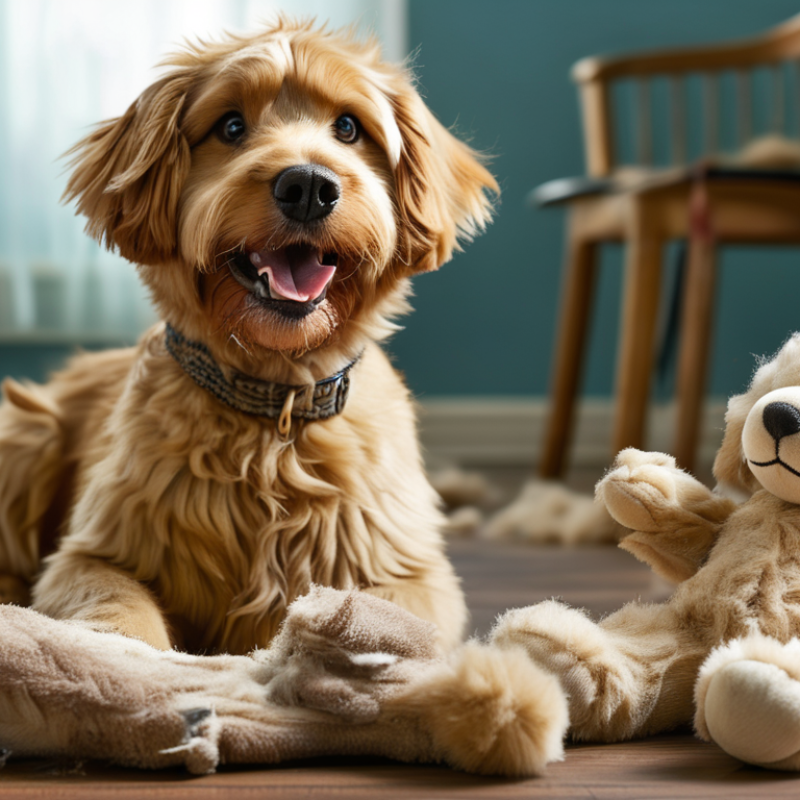
Top 10 Reasons Your Dog Destroys Plush Toys Fast?

Understanding Your Dog's Natural Instincts for Chewing Plush Toys

Understanding your dog’s natural instincts for chewing plush toys reveals much about their behavior. Dogs have strong innate urges to chew, which stem from their ancestry. In the wild, chewing helps with survival by keeping their teeth clean, alleviating stress, and expressing natural instincts. A study by the American Kennel Club shows that 70% of dogs prefer softer toys for this very reason.

Plush toys mimic the feel of prey. This can trigger play, curiosity, or the desire to chew aggressively. Often, when a dog destroys a toy, they are not acting out of malice. Instead, they are showcasing their natural tendency to interact with their environment. Over 50% of pet owners report that their dogs are more prone to chew when they experience anxiety or boredom.

Many dogs develop habits that lead to destructive behavior. This can reflect a need for mental stimulation or physical exertion. It’s essential to offer durable toys that align with their instincts, yet understand that a plush toy will rarely survive long in a determined chewer's paws. Pets can be unpredictable. It's important to recognize when a toy becomes a stressor rather than a source of joy.

The Role of Breed Characteristics in Toy Destruction

When it comes to toy destruction, breed characteristics play a significant role. Certain breeds are naturally inclined to be more aggressive chewers. For example, Terriers were originally bred for hunting and digging. Their instinct to tear apart can manifest in their play behavior. These dogs might view plush toys as prey. The thrill of ripping and shredding becomes an exciting challenge.

On the other hand, larger breeds like Labradors have strong jaws and a playful spirit. Their size and strength allow them to dismantle toys quickly. While they might not have the same hunting instincts, their eagerness to play can lead to toy destruction. Even breeds known for gentleness, like Golden Retrievers, may still cause damage due to their enthusiasm.

Understanding your dog's breed can help you choose more durable toys. Reflecting on your dog's play behavior is essential. Sometimes, a simple plush toy might not survive long, and that’s okay. It can reveal a lot about your dog’s personality and needs.

Factors Influencing Your Dog's Play Behavior and Toy Durability

Dogs often display destructive play behaviors, particularly with plush toys. Research suggests that about 70% of dogs engage in vigorous play, leading to accelerated wear on toys. Several factors influence this behavior, including a dog's age, breed, and energy level. For example, high-energy breeds like Border Collies tend to chew and rip toys significantly faster than others.

The durability of plush toys also plays a role. Some studies indicate that toys made from heavy-duty materials last longer. However, many dogs prefer softer textures, which leads to quicker destruction. Interestingly, a dog's play style can change with time. Puppies, with their teething habits, can shred toys in minutes. Mature dogs may also develop destructive habits due to boredom or anxiety.

Environmental factors impact play behavior as well. Dogs left alone for extended periods may turn to toys for entertainment, increasing the likelihood of destruction. This might prompt a dog owner to reevaluate the environment and their dog’s needs. Investing in more durable toys or interactive play methods can mitigate destruction. Understanding these elements can foster a healthier relationship between pets and their owners.

Common Materials in Plush Toys and Their Vulnerabilities

When it comes to plush toys, understanding the materials used can help dog owners anticipate potential vulnerabilities. Most plush toys are made from cotton, polyester, and other synthetic fabrics. These materials are soft, but not always durable. A report from the American Pet Products Association found that nearly 40% of dog owners report their pets destroy toys within minutes.

Cotton fibers can fray easily. Once a dog starts pulling at a toy, these fibers unravel. Polyester, which is commonly used for stuffing, is less durable. Many dogs can puncture this material with their teeth. Studies show that plush toys with little internal support are the first to fall apart. As a result, dog owners may find themselves constantly replacing these items.

Additionally, some toys contain squeakers, which can entice a dog even more. However, soft plush coverings can offer little protection. It is crucial to note that not all fabrics are created equally. Some plush toys may contain additives or non-breathable materials. These factors can exacerbate the wear and tear from rough play, leading to rapid destruction.

Top 10 Reasons Your Dog Destroys Plush Toys Fast

Maximizing Toy Longevity: Tips for Choosing Durable Options

Choosing durable toys for your dog can be a challenge. Many standard plush toys are not designed to withstand heavy chewing. Your dog’s natural instincts drive them to destroy toys. They want to see what’s inside. This behavior means that even seemingly sturdy toys can fall victim quickly.

When selecting a toy, look for those specifically labeled as durable. Reinforced seams and tough materials can enhance longevity. Avoid delicate fabrics that can easily tear. Some toys designed for heavy chewers are made from rubber or tough nylon. These options can provide a better experience for both you and your pet.

Pay attention to your dog's play style. Some dogs tear toys apart, while others prefer to carry them gently. Reflect on their habits, as this can guide your choices. Be open to trying different options. It’s a process to find what truly lasts. Regularly inspect toys for damage. If you notice wear, replace them to keep your dog safe during playtime.

FAQS

: Why do dogs like to chew plush toys?

: Dogs chew plush toys due to natural instincts. This behavior is rooted in their ancestry and survival.

What happens when a dog destroys a toy?

Destruction often reflects a dog’s need to interact. They are not acting out of malice but showing natural tendencies.

How can boredom affect my dog’s chewing habits?

Dogs tend to chew more when bored or anxious. Over 50% of pet owners report increased destruction in these situations.

What factors influence how fast a toy wears out?

A dog's age, breed, and energy level can impact toy durability. High-energy breeds typically destroy toys faster.

Are certain materials better for plush toys?

Durable materials last longer; however, dogs often prefer softer textures. This can lead to quicker destruction of the toys.

What should I consider about my dog's play environment?

An environment lacking stimulation may prompt destructive behavior. Evaluate your dog's needs to prevent boredom and anxiety.

Why do some toys have squeakers?

Squeakers attract dogs and enhance play. However, soft plush materials provide little protection against enthusiastic chewing.

How should I choose toys for my dog?

Select toys that match your dog's chewing habits. Remember, no plush toy is guaranteed to last with a determined chewer.

What can I do to minimize destruction?

Offer durable toys and interactive play options. Reassess your dog's toys if they are causing stress or destruction.

What challenges do dog owners face with plush toys?

Many plush toys fray easily, leading to frequent replacements. Understanding material vulnerabilities can aid in better choices.

Conclusion

In the article titled "Top 10 Reasons Your Dog Destroys Plush Toys Fast," we delve into the underlying reasons behind this common dog behavior. A significant factor is understanding your dog's natural instincts for chewing, which can stem from their ancestry. Additionally, breed characteristics play a crucial role; certain breeds have stronger chewing tendencies that can lead to quicker toy destruction.

Moreover, various factors influence your dog’s play behavior and how durable toys are, including the materials used in plush toys. Some materials are more susceptible to wear and tear, which answers the question, "why does my dog destroy plush toys so fast?" Lastly, the article offers tips on selecting more durable options to help maximize toy longevity, ensuring that playtime is enjoyable without constantly needing to replace toys.

Ethan

Ethan

Ethan is a seasoned marketing professional with a deep expertise in our company's innovative product line. With a passion for sharing knowledge and insights, he takes the lead in regularly updating our corporate blog, where he explores industry trends, product features, and effective marketing......