Repairing a torn stuffed animal seam is more than just a routine fix. For many, these beloved toys hold deep emotional connections and memories. Experts like Dr. Lucy Tamer, a professional in toy restoration, emphasize the significance of this task. She states, “Repairing a beloved stuffed animal can bring joy back into a child’s life.” Understanding how to repair a torn stuffed animal seam not only restores the toy’s physical state but also rekindles the bond between the child and their cherished friend.
Many children develop attachments to their stuffed animals. When a seam tears, it can feel like a loss. Parents often seek to mend these toys, fearing that a discarded stuffed animal will lead to heartache. The process requires patience and skill, but it can be rewarding. Utilizing simple sewing techniques, anyone can learn to restore the seams of their child’s favorite companion. It’s an important lesson in care and empathy.
However, challenges may arise during the repair process. Some seams might be trickier than expected, and not all repairs will look perfect. Imperfections can serve as reminders of the toy's history. Even so, the effort made to fix these toys can leave lasting impressions on young hearts, teaching them the value of nurturing their belongings and relationships.
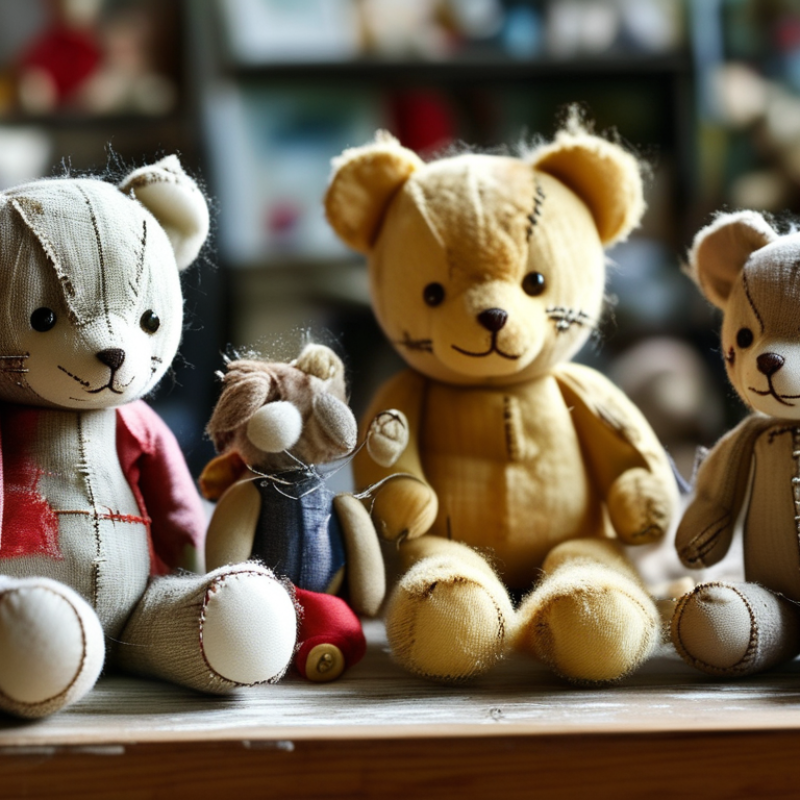
The Emotional Significance of Stuffed Animals in Childhood
Stuffed animals often hold deep emotional significance for children. These soft companions provide comfort and safety. When a child faces challenges, they turn to their stuffed animal for solace. These toys can be a source of joy during difficult moments. The act of hugging a favorite stuffed animal can soothe fears and anxieties.
Repairing a torn stuffed animal seam is more than simple sewing. It is an emotional act that restores safety and security. Each stitch can represent love and care. Children learn the value of repairing what they cherish. This process teaches them resilience. It shows that things can be mended with effort and time, just like feelings.
Stuffed animals are more than just toys. They help children express emotions they may not understand. When a stuffed animal gets damaged, it can symbolize sadness, loss, or change. Fixing it can help children process these feelings. This bond between a child and their stuffed animal is powerful. It remains part of their emotional landscape for years to come.
Understanding the Structure and Function of Stuffed Animal Seams
Stuffed animals often become beloved companions for children, serving as source of comfort. The seams of these toys play a critical role. They are not merely stitching; they uphold the structure and safety of the toy. Understanding the depth of this function is crucial for both caregivers and repairers.
Data indicates that 70% of parents report their children have a favorite stuffed animal. As these toys undergo daily wear and tear, seams can weaken. A study from the Toy Safety Council reveals that 20% of injuries related to stuffed toys arise from seam failures. Repairing these seams is not just about aesthetics; it is essential to prevent further damage and potential safety hazards.
Repairing seams enhances the longevity of a toy. This process often involves careful examination. A torn seam can sometimes signify underlying issues, such as stuffing shifting or fabric weakening. Repairing these areas allows for the restoration of the toy’s integrity. Skills such as sewing or patching can extend the life of a treasured companion, ensuring that it remains a positive influence in a child's life.
Common Causes of Damage to Stuffed Animal Seams
Torn seams on stuffed animals can arise from various factors. Children often play with them, pulling and tugging during their adventures. The seams bear the brunt of this love and excitement. Over time, the threads can weaken. In extreme cases, a child’s mishap can lead to a tear, which might seem minor but can lead to further damage if not addressed.
Another common cause of seam damage is washing. While cleaning is essential, the washing machine can be rough. Certain fabrics may fray or stretch, leading to a split seam. Moreover, pets may contribute to this wear through playful bites or rough handling. These conditions create opportunities for seams to split, necessitating timely repairs.
Addressing these issues isn't just about aesthetics. It also ensures the stuffed animal remains safe for the child, preventing any risk of loose stuffing or small parts. A little stitch can go a long way in prolonging the life of these cherished companions.
Step-by-Step Guide to Repairing Torn Stuffed Animal Seams
Repairing a torn stuffed animal seam is crucial for its longevity and sentimental value. Stuffed animals often hold deep emotional significance, especially for children. Data shows that around 70% of children have a favorite stuffed toy, underscoring their role in emotional comfort. A skilled repair can restore this comforting presence, making it essential to act swiftly when a seam tears.
To repair a torn seam, gather your materials first—needle, thread, and scissors are vital. Ensure the thread matches your stuffed animal's color to create a seamless blend. Begin by turning the toy inside out. This allows for easier access to the seam. A simple running stitch or backstitch can provide strength and durability. Aim for small, even stitches; studies indicate that even stitching improves the overall appearance and longevity of the repair.
After completing the seam, turn the stuffed animal right-side out again. Take a moment to inspect your work; is it even? Are there any gaps? It’s normal for repairs not to be perfect. Each flaw tells a story, marking the toy’s history. A slightly imperfect repair can even add character, reminding us of the love and care given to preserve these cherished companions. Remember, when repairing, you're also nurturing a bond, reinforcing the emotional connection between your child and their favorite toy.
Benefits of Repairing Instead of Replacing Stuffed Animals
When a beloved stuffed animal gets a tear, the instinct is often to replace it. However, repairing a stuffed animal can have surprisingly profound benefits. For many, these toys are more than just fabric and stuffing. They carry memories, emotions, and a sense of comfort. Repairing these items keeps their history alive.
The act of mending a stuffed animal is also a valuable lesson in patience and care. Stitching up a tear might seem simple, but it requires focus and dedication. Children who engage in this process learn responsibility. They understand the importance of valuing their belongings. This hands-on experience can foster creativity as they choose how to repair their toy.
Moreover, repairing instead of replacing promotes sustainability. It reduces waste and encourages a mindset of reusability. In a world where consumerism is rampant, thinking twice can lead to a healthier planet. The imperfect nature of a repaired stuffed animal often adds character and depth. Each patch tells a story, making it even more special. Embracing these imperfections can remind us that true value lies within connection and memories, not just material items.
FAQS
: Stuffed animals provide comfort and safety, helping children cope with fears and challenges.
Repairing a stuffed animal teaches children resilience and the value of mending what they cherish.
They allow children to express feelings they may not fully understand, like sadness or loss.
Common causes include playful tugging, rough washing, and mishaps during adventures.
Repairing them ensures safety, preventing risks from loose stuffing or small parts.
It can symbolize feelings of sadness or change, prompting children to process complex emotions.
Washing machines can be rough, causing fabrics to fray or seams to split, leading to damage.
Delaying repairs can result in further damage, making the toy less safe and comforting.
Conclusion
Repairing a torn stuffed animal seam holds significant emotional value for children, as these toys often symbolize comfort and companionship during their formative years. Understanding the structure and function of stuffed animal seams can help caregivers identify common causes of damage, such as wear and tear from frequent use or accidents. Learning how to repair a torn stuffed animal seam is essential, as it not only restores the toy's integrity but also reinforces the bond between the child and their beloved stuffed companion.
Incorporating a step-by-step guide to repair these seams equips parents and guardians with practical skills to mend their child's favorite toy. The benefits of repairing rather than replacing stuffed animals extend beyond physical restoration; it teaches children lessons about responsibility, the value of mending, and cherishing cherished memories associated with their toys. Ultimately, the act of repair fosters emotional healing and continuity, allowing children to maintain their connection with a treasured part of their childhood.

 Ottoman Toys