How to Tell If a Plush Toy Is Authentic or Fake?

Time:2026-10-05 Author:Mason
0%

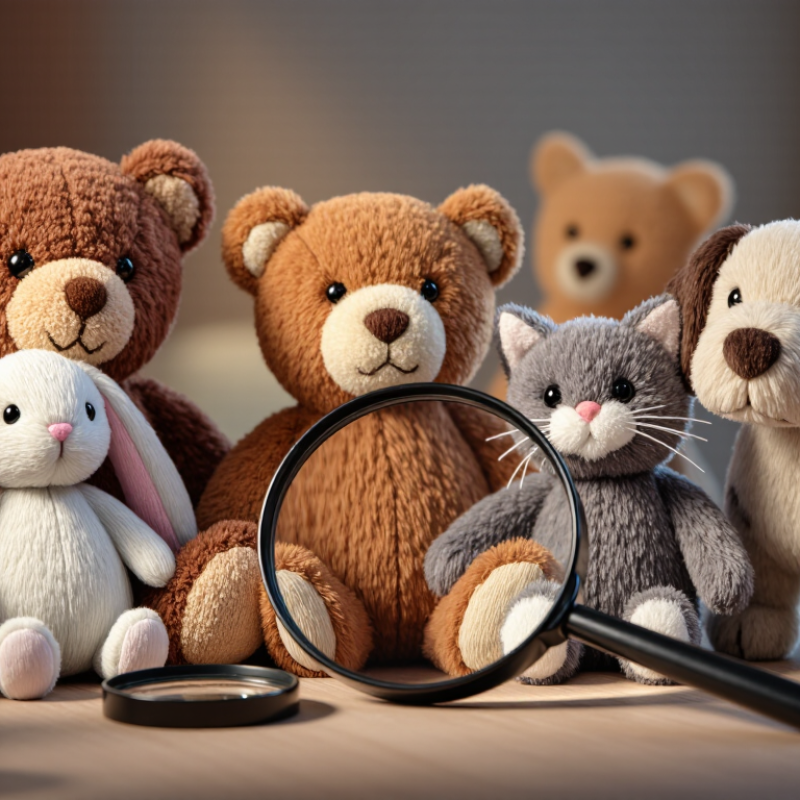
How to tell if a plush toy is authentic or fake is not always obvious. A genuine toy may have soft, even stitching, clear branding, and carefully printed labels. A counterfeit can look convincing in online photographs. The differences often appear in small details, such as uneven eyes, loose threads, faded tags, or incorrect spelling.

Antiques appraiser Dr. Lori Verderame offers a useful warning: “Condition, provenance, and quality are the three most important factors in authenticating an antique.” Her principle also helps with collectible plush toys. A believable story is not enough. Buyers should compare the toy with manufacturer images, examine its fabric and seams, and check whether the tag matches the claimed production period. Keep the receipt and screenshots. Evidence matters.

Look closely.

Authenticity is rarely proved by one feature. For example, a familiar logo may be copied, while an unusual fabric texture may reveal an older genuine release. Still, online guides can contain mistakes, and collector forums may repeat unverified claims. I have found that even experienced buyers can overvalue a perfect box or a popular character. That is where careful doubt becomes useful.

This guide explains how to tell if a plush toy is authentic or fake through practical inspection. It covers labels, stitching, materials, packaging, seller history, and price signals. It also shows when professional advice is sensible. No single test is perfect. A cautious conclusion is often more reliable than an exciting guess.

How to Tell If a Plush Toy Is Authentic or Fake?

Understanding the Key Features of an Authentic Plush Toy

Authenticity starts with construction, not a shiny photograph. A genuine plush toy usually has even seams, firm embroidery, balanced stuffing, and a securely attached label. Examine the fabric closely. Loose threads, uneven eyes, harsh chemical odors, or lumpy filling deserve caution. The label should show fiber content, care instructions, age guidance, and traceable manufacturer information. Missing details are not always proof of a fake, but they weaken confidence.

The OECD and EUIPO estimated that counterfeit goods represented 2.5% of global trade in 2019. The European Commission’s Safety Gate report for 2023 identified toys among the leading product categories linked to safety alerts, accounting for about 13% of notifications. These figures support careful checking, especially when documentation is unavailable.

An authentic product should have consistent packaging, a readable batch or production code, and safety information matching its market. Where applicable, ask for evidence of testing against standards such as EN 71 or ASTM F963. A certificate alone is not enough. It should identify the product, test date, laboratory, and applicable requirements.

Compare photographs from several reliable sellers, not one listing. Check whether the face, stitching, tag position, and dimensions remain consistent. A low price can be a warning, but it is not conclusive. Clearance stock exists. My own judgment would still be imperfect, especially with older releases or handmade items. When details conflict, pause before buying and request clear close-up images.

Checking Tags, Labels, Stitching, and Material Quality

When I inspect a plush toy, I begin with its tags and labels. Authentic toys often have clear printing, accurate spelling, and firmly attached tags. Check the fabric label, care instructions, production details, and safety information. The text should not look blurry or cheaply copied. A neat tag can still mislead.

Turn the toy over and examine the stitching. Strong, even seams usually show careful manufacturing. Loose threads, uneven gaps, crooked limbs, or stuffing escaping from seams deserve attention. Check the eyes, nose, and embroidered details closely. They should feel secure, not loosely glued or poorly aligned. I once trusted tidy stitching too quickly, so I now inspect hidden areas under the arms and near the feet.

Material quality also provides useful clues. Genuine plush fabric usually feels consistent, soft, and densely woven. Patchy fibers, a strong chemical smell, or thin fabric may suggest poor construction. Press the stuffing gently; it should recover without hard lumps. Compare the toy’s weight and texture with reliable product photographs or verified specifications. Still, materials can change between production batches. No single clue proves authenticity. If several warning signs appear together, pause before buying and request clearer photos, detailed labels, and proof of purchase.

Comparing Packaging, Branding, and Product Details

Authenticity often begins with the packaging, but packaging alone cannot prove anything. Check whether the box or bag has sharp printing, balanced colors, and consistent spacing. Blurred text, uneven logos, spelling errors, or thin cardboard deserve attention. Product labels should match the information printed on the package. Compare barcodes, item numbers, size, and material descriptions carefully. A missing care label is also concerning.

Look closely at the plush toy itself. Genuine products usually have even stitching, secure seams, and neatly embroidered features. The fabric should feel consistent across the body, while the filling should not form hard lumps. Compare the toy with clear images from the official product page or a trusted retailer. Small differences can occur between production batches. That matters.

I once trusted a clean package too quickly. The toy inside had crooked eyes and loose threads. A professional inspection may reveal details that photographs hide. Check the seller’s return policy, purchase records, and customer feedback before buying. A barcode scan can help, but it is not final proof. Codes may be copied. Pay attention to unusual odors, missing inserts, or packaging that looks recently resealed. When several small details conflict, pause before treating the item as authentic.

How to Tell If a Plush Toy Is Authentic or Fake? - Comparing Packaging, Branding, and Product Details

Inspection Area Common Authentic Indicators Potential Warning Signs Practical Verification Method
Packaging quality Clear printing, consistent colors, sharp images, and packaging that fits the product properly. Blurry graphics, uneven color, spelling mistakes, weak seals, or packaging that appears cheaply reproduced. Compare the package with official product photographs or archived retailer listings, while allowing for regional packaging differences.
Printed information Product name, size, materials, care instructions, age guidance, and safety information are complete and readable. Missing required details, inconsistent product descriptions, incorrect measurements, or text that differs between package panels. Check that the information matches the toy itself and the seller’s listing. Treat missing safety details as a serious concern.
Labels and tags Tags are securely attached, professionally printed, and consistent with the toy’s material, size, and product information. Loose tags, mismatched fonts, incorrect information, low-quality paper, or labels attached in an unusual location. Inspect both sewn-in labels and hangtags. Compare wording, symbols, and placement with reliable reference images.
Logo and artwork Artwork has consistent proportions, clean edges, accurate colors, and correct placement on the packaging and toy. Distorted artwork, incorrect spacing, altered colors, unusual typography, or details that vary significantly from verified references. Use several high-resolution reference images because minor design changes may occur between production runs.
Fabric and texture Fabric feels consistent across the toy, with an even pile, clean surface, and texture appropriate to the product description. Patchy fabric, excessive shedding, rough areas, unexplained material differences, or a strong chemical odor. Check the surface in good lighting and review the listed fiber content. A smell alone is not conclusive, but it warrants caution.
Stitching and construction Seams are even, secure, and symmetrical, with no large gaps, loose threads, or visibly unfinished edges. Open seams, irregular stitching, excessive loose threads, crooked features, or weakly attached parts. Gently inspect seams and attachments without pulling aggressively. Poor construction can also create a safety hazard.
Eyes, nose, and small parts Features are firmly attached, evenly positioned, and appropriate for the stated age range. Loose plastic parts, sharp edges, uneven placement, detachable accessories, or parts that do not match the packaging. Do not give the toy to a child if a component is loose or if the age guidance is missing or inconsistent.
Filling and shape Filling is distributed evenly, the toy holds its intended shape, and there are no hard or empty areas without explanation. Lumps, underfilled sections, excessive stiffness, uneven weight, or a shape that differs substantially from verified images. Compare dimensions and silhouette from multiple angles. Manufacturing variation can occur, so assess the overall pattern.
Barcode or QR code The code scans correctly and leads to information that matches the product and seller documentation. Code is unreadable, redirects to an unrelated page, or displays information that conflicts with the packaging. Use the code as one supporting clue only. Barcodes and copied QR codes can be reproduced.
Seller and purchase record Seller provides a clear invoice, return policy, product photographs, and traceable contact information. Unusually low pricing, pressure to pay off-platform, stock photographs only, or refusal to provide purchase documentation. Check seller history, buyer reviews, delivery records, and return terms before purchasing.
Overall assessment Several independent details agree: packaging, labels, construction, materials, and seller documentation. Multiple inconsistencies appear across different areas, especially safety information and product construction. No single feature proves authenticity. When concerns remain, stop using the item and request verification or a refund from the seller.

Note: Packaging and design may change by region, release period, or production batch. Use multiple independent checks rather than relying on one detail.

Verifying the Seller, Purchase History, and Official Records

How to Tell If a Plush Toy Is Authentic or Fake?

A trustworthy seller should explain where the plush toy came from. Check the seller’s account age, feedback patterns, and past listings. Repeated photos, vague descriptions, or pressure to pay quickly deserve caution. Ask for clear images of the label, stitching, fabric texture, tags, and packaging. Real sellers usually answer specific questions patiently. Still, politeness is not proof.

Purchase history can provide useful evidence. Request a dated receipt, order confirmation, or delivery record, with private information hidden. The item’s color, size, and accessories should match those records. Compare the photos with earlier listing images when available. Save screenshots before purchasing. I once trusted a clean receipt too quickly, but it belonged to a different size. Small mistakes matter.

Official records may include a product code, release archive, care-label format, or registration entry. Contact the relevant official customer service channel when verification is available. Do not rely on a single code, because copied labels can appear convincing. Check whether the record matches the production period and design details. Some older toys have incomplete records, which makes certainty difficult. A seller offering a reasonable return window improves reliability, but it cannot replace careful checking. Keep your evidence organized, and admit when the available proof remains inconclusive.

Recognizing Common Signs of Counterfeit Plush Toys

When checking a plush toy, I examine its stitching, fabric, filling, and labels together. Authentic toys usually have even seams, secure threads, and soft material with consistent texture. Loose threads, uneven ears, or lumpy filling can signal poor production. Look closely. A strong chemical smell also deserves attention, especially when the toy feels unusually stiff.

Labels often reveal more than packaging does. Check spelling, printing quality, care instructions, and attachment points. Blurry text, mismatched fonts, or a crooked label are common warning signs. Compare the toy with clear product images from a reliable seller or manufacturer source. Small design differences may be normal, but several unusual details should raise doubt. It matters.

Packaging can look convincing, so do not rely on a box alone. Inspect the eyes, embroidery, colors, and shape under good lighting. Counterfeit toys may have glossy plastic eyes, uneven facial features, or colors that appear too bright. A suspiciously low price and vague seller information add further risk, though neither proves a toy is fake.

I once trusted attractive packaging and missed a rough seam underneath the arm. That mistake changed my inspection habit. I now turn the toy over, check every label, and gently press the filling. No single clue is perfect. A careful combination of details gives a more dependable judgment, while uncertainty is a reason to pause before buying.

FAQS

What physical signs suggest that a plush toy is authentic?

Look for even seams, balanced stuffing, secure embroidery, and a firmly attached label. Loose threads deserve caution. No single detail proves authenticity.

What information should appear on a plush toy’s label?

Check fiber content, care instructions, age guidance, safety information, and traceable production details. Blurry printing weakens confidence. A neat label can still mislead.

How can stitching reveal poor construction?

Inspect seams, limbs, eyes, and embroidered features closely. Gaps, crooked parts, or escaping stuffing suggest weak construction. Check hidden areas too.

What should good plush fabric feel like?

Quality fabric usually feels soft, consistent, and densely woven. Watch for patchy fibers, thin material, or harsh chemical smells. Smell matters.

How should I examine the stuffing?

Press the toy gently. The filling should recover without hard lumps or empty areas. Uneven stuffing may indicate careless construction.

Can a low price prove that a plush toy is not authentic?

No. Clearance stock and older releases can cost less. Price is only one clue. I would not judge from price alone.

How can product photographs help with checking?

Compare several reliable listings. Check facial details, dimensions, stitching, and tag placement. Conflicting images should make you pause.

What testing evidence should I request?

Ask for clear safety documentation when available. It should identify the product, test date, laboratory, and applicable requirements. A certificate alone is insufficient.

What should I do when several warning signs appear?

Pause before buying. Request close-up images, detailed labels, and proof of purchase. My judgment can still be imperfect, especially with handmade items.

Conclusion

Learning how to tell if a plush toy is authentic or fake begins with examining its overall quality and construction. An authentic plush toy usually has neat, even stitching, soft and consistent materials, secure details, and a balanced shape. Check the tags and labels for clear printing, accurate product information, proper spelling, and durable attachment. Poorly finished seams, rough fabric, loose parts, faded text, or unusual odors may indicate an imitation. Comparing the toy’s packaging, colors, logos, design details, and included accessories with reliable product images can also reveal inconsistencies.

It is equally important to consider where and how the toy was purchased. Review the seller’s reputation, order history, receipts, and any available product records. Be cautious when the price is unusually low or when the packaging appears damaged, incomplete, or different from standard presentation. By combining physical inspection, packaging comparison, and purchase verification, buyers can make a more informed decision and reduce the risk of receiving a counterfeit plush toy.

Mason

Mason

Mason is a seasoned marketing professional with a deep expertise in the company's offerings and a passion for driving brand awareness. With a strong background in digital marketing strategies, he has an innate ability to connect with diverse audiences and effectively communicate product benefits.......