How long does a well-loved stuffed animal last? The honest answer depends on fabric, stitching, washing, storage, and daily affection. Many quality plush toys can remain comforting for five to fifteen years. Some survive much longer. Others develop loose seams within months.
So, what is the average lifespan of a well loved stuffed animal? There is no universal number. Joan Lawrence, a toy-safety specialist associated with The Toy Association, advises, “Regular inspection matters because toys change with use.” Her point is practical. A teddy bear carried through breakfast, car rides, and bedtime faces constant friction. Its fur may flatten first. Then the nose loosens. Small tears can grow quickly after washing.
Inspect the toy every few weeks. Check the eyes, seams, stuffing, and labels. Look closely. Wash it according to the care instructions, and avoid harsh heat unless the manufacturer permits it. Air drying often protects fibers better than a hot dryer. A pillowcase can reduce rubbing during machine washing.
A well-loved toy does not need to look new. Faded fabric can show years of comfort. Still, sentimental value should not hide safety concerns. Loose parts, exposed filling, or damaged fabric deserve prompt attention, especially around young children and pets.
The estimate may be imperfect. It should be. Every child loves differently. A carefully repaired stuffed animal may outlast a neglected one, even when both began with similar materials.
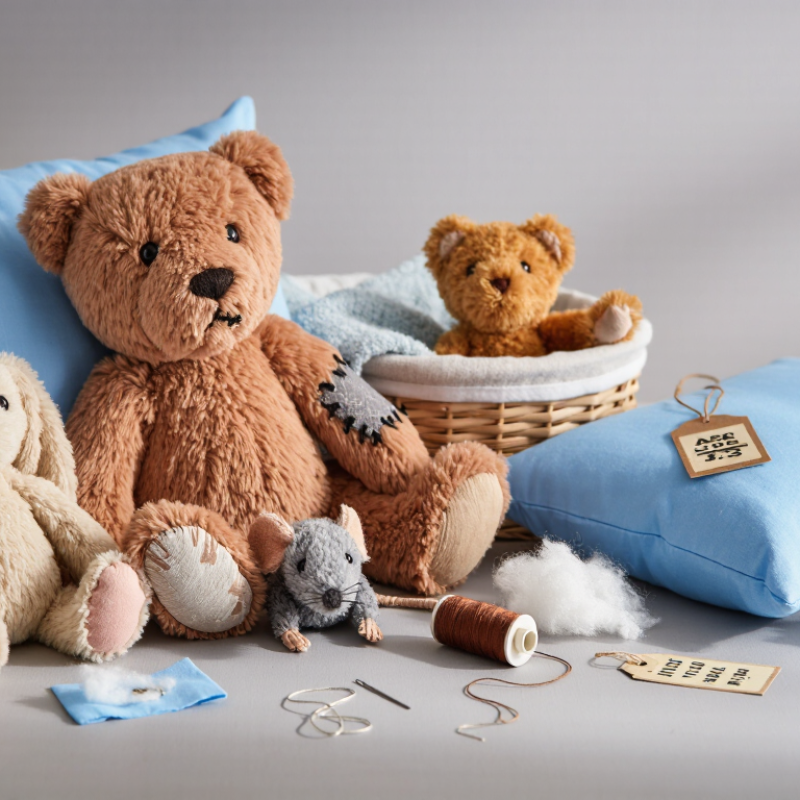
How Long Does a Well Loved Stuffed Animal Last?
What Determines the Lifespan of a Beloved Stuffed Animal
A beloved stuffed animal may last five years, twenty years, or longer. Its lifespan depends less on age than on daily treatment. Frequent hugging, dragging, and sleeping with it create steady fabric stress. Seams near the arms, neck, and ears usually weaken first. Loose stitching is an early warning sign. Tiny openings can become large tears overnight.
Material quality also matters. Tightly woven fabric resists abrasion better than soft, loosely knitted fibers. Dense stuffing keeps its shape, but repeated squeezing can form flat areas. Washing affects both parts. Hot water, strong detergents, and high heat may shrink fabric or damage delicate threads. A gentle wash, protected inside a mesh bag, is safer. Complete air-drying prevents trapped moisture and musty odors.
Storage conditions can change everything. Direct sunlight fades fabric and weakens some fibers. Damp cupboards encourage mildew. Pets may add another problem. Their teeth and claws can damage seams quickly. Regular inspections help, especially after washing. Look beneath ribbons, patches, and clothing, where hidden wear often begins. I would not promise permanent durability; even careful care has limits. Some repairs also look imperfect, and that is acceptable. A visible stitch can preserve both structure and memory. Over-cleaning, however, may remove the softness that makes the toy special. The best care balances hygiene, safety, and its familiar worn character.
There is no universal expiration date for a stuffed animal. A well-made toy may remain usable for many years, while daily handling, frequent washing, moisture, friction, loose seams, and detached small parts can shorten its practical lifespan. The chart presents a comparative durability index based on common wear conditions, not a guaranteed service-life measurement.
Safety note: Replace or repair a stuffed animal if it has exposed filling, sharp or broken components, mold, persistent odor, or parts that can detach and become a choking hazard.
How Daily Use Affects Fabric, Filling, and Seams
A well-loved stuffed animal can last for years, but daily handling changes it gradually. In repair work, I often see fur becoming flat first. Constant rubbing against bedding, sofas, and clothing breaks down the surface fibers. Dark patches may appear where small hands hold the toy most often. Dust and skin oils also make fabric feel stiff. Gentle surface cleaning helps, but harsh scrubbing can weaken older fibers.
The filling changes differently. Repeated hugging compresses polyester stuffing, especially inside the head, paws, and belly. The toy may feel lumpy or lean to one side. Loose filling can also gather near a tear. I once expected a flattened toy to recover after washing. It did not. My estimate was too optimistic. Air drying and careful reshaping usually work better than high heat.
Seams often reveal the real age of a stuffed animal. Daily stretching pulls thread around the neck, arms, and leg joints. Tiny gaps can widen when children carry the toy by one limb. Check these areas every few weeks. Look for exposed thread, hard knots, or fabric pulling away from the seam. Early stitching is usually simpler and safer. Still, repairs are not always neat. A visible patch may become part of the toy’s history.
A well-loved stuffed animal often shows damage before it looks truly dirty. Watch for gray fur around the face, sticky patches, sour odors, or flattened stuffing. Dust can settle inside seams, while saliva, food, and sweat create a better environment for microbes.
The American Cleaning Institute’s 2024 National Cleaning Survey found that 78% of adults consider regular cleaning important for household health. That habit should include favorite toys.
Clean washable toys gently, following the care label. Use mild detergent, cool water, and thorough air drying. Never store one while its filling feels damp. For electronic or music-filled toys, wipe the surface instead.
I once underestimated a small split under a paw. It widened after washing. Check seams, eyes, noses, ribbons, and loose threads before every cleaning. Repair small openings with strong, neat stitching, but replace toys with exposed foam, mold, sharp components, or stuffing that cannot be cleaned safely.
The U.S. Consumer Product Safety Commission’s recent toy-injury reports estimate over 200,000 emergency-department-treated toy injuries annually among children. Detached parts deserve attention. ASTM F963 toy-safety requirements also emphasize securely attached components and durable seams.
A repair is not automatically safe. If a child sleeps with the toy, inspect it more often, especially after spills, chewing, or rough play.
My own cleaning routine still misses hidden seams sometimes. That is worth reconsidering.
How Long Does a Well Loved Stuffed Animal Last?
Ways to Extend the Life of a Well-Loved Stuffed Animal
A well-loved stuffed animal may last five to twenty years, depending on its fabric, stuffing, and daily use. Gentle care can add many more seasons. Check the care label before cleaning. If no label remains, test a hidden area with a damp white cloth. Color transfer means you should avoid soaking it.
In my experience, surface cleaning is safer than frequent machine washing. Use mild soap, cool water, and a soft toothbrush for small stains. Press with a towel instead of twisting the fabric. Let the toy dry completely in a ventilated room. Damp stuffing can develop an unpleasant smell. It can also encourage hidden mold. I once rushed this step, and the center stayed wet for days.
Inspect the seams every month, especially around the arms and neck. Repair loose threads with small, tight stitches before the opening grows. Replace missing eyes or buttons carefully, but avoid detachable parts for babies. A damaged toy may need temporary retirement. Store it away from direct sunlight, heaters, and pets that chew. Rotate it with another favorite, if possible. That sounds unromantic, but it reduces pressure on worn fabric. Keep a simple care note with cleaning dates and repairs. You may forget what caused the last tear.
Practical service-life estimates and care guidelines for frequently used stuffed animals.
| Data Dimension | Typical Finding | What It Means in Daily Use | Recommended Action |
|---|---|---|---|
| Expected lifespan with occasional use | 10–20 years | A well-constructed stuffed animal used mainly for display or occasional comfort can remain functional for many years. | Keep it away from direct sunlight, moisture, pets, and rough storage conditions. |
| Expected lifespan with daily comfort use | 3–10 years before major repairs | Daily hugging, carrying, sleeping, and washing create repeated friction and compression. | Inspect high-wear areas regularly and repair small problems before seams open further. |
| Most common wear locations | Seams, paws, ears, noses, eyes, tails, and fabric on the underside | These areas experience the most pulling, rubbing, handling, or contact with bedding and floors. | Reinforce loose seams with matching thread and check attached parts after frequent use. |
| Loss of surface softness | Often noticeable after repeated washing, heat exposure, or abrasive contact | Fibers can become matted, flattened, or rough even when the internal filling remains usable. | Follow the care label, use gentle detergent, avoid high heat, and air-dry when possible. |
| Filling compression | Common after months or years of frequent hugging and sleeping use | The animal may look flatter, feel lumpy, or lose its original shape. | Gently redistribute the filling by hand; professional or careful restuffing may restore shape. |
| Recommended inspection interval | Every 1–3 months for daily-use toys | Regular checks help identify loose threads, openings, damaged attachments, and hidden dampness. | Examine seams, eyes, nose, stuffing, labels, and any areas that contact the floor. |
| Recommended washing frequency | When visibly dirty, after illness, or when odors develop | Overwashing can accelerate fading, fabric wear, and filling breakdown. | Spot-clean when practical; use a gentle full wash only when the care instructions allow it. |
| Drying requirement | Must be completely dry before storage or use | Trapped moisture can contribute to mildew, unpleasant odors, and deterioration of fabric or filling. | Press out excess water with a towel and allow thorough air circulation before returning it to use. |
| Effect of direct sunlight | Can cause fading and gradual weakening of exposed fibers | Colors and fabrics may deteriorate faster near bright windows or outdoors. | Store or display the stuffed animal in indirect light and rotate its position periodically. |
| Effect of pets and rough play | Higher risk of punctures, torn seams, saliva contamination, and detached parts | Claws, chewing, and pulling can shorten service life substantially. | Keep the item away from unsupervised pets and separate it from rough-play toys. |
| Storage conditions | Cool, dry, clean, and well-ventilated storage is best | Heat, humidity, dust, and compression can damage fabric and filling over time. | Use a breathable container; avoid sealed plastic storage unless the item is fully dry. |
| When repair is usually worthwhile | When damage is limited to a seam, small tear, flattened filling, or loose attachment | Prompt repairs can prevent a minor defect from becoming irreversible damage. | Use durable thread and secure stitching; seek professional repair for delicate or sentimental items. |
| When replacement should be considered | Persistent mildew, unsafe detached parts, severely degraded fabric, or contamination that cannot be removed | Structural or hygiene problems may make continued use unsafe, especially for young children. | Retire the item from active use and consider preservation, supervised display, or replacement. |
| Potential life-extension from careful maintenance | Several additional years in many cases | Gentle handling, timely repairs, controlled washing, and proper storage reduce avoidable wear. | Create a simple care routine and record repairs for particularly meaningful stuffed animals. |
A well-loved stuffed animal can last for decades with careful handling. Its lifespan depends on fabric strength, stuffing quality, washing habits, and daily use. In my repair experience, small issues often become serious when ignored. Loose stitching can spread across a shoulder overnight. Flattened stuffing may also leave thin fabric under extra strain.
Restoration becomes necessary when seams open, stuffing escapes, or the toy loses its original shape. A careful repair should match the existing fabric, preserve recognizable features, and use secure stitching. Cleaning requires equal care. Harsh detergents may fade colors or weaken old fibers. For valuable or fragile toys, a textile conservator can assess the material before treatment. Replacement may be safer when fabric feels brittle, odors remain after gentle cleaning, or internal materials cannot be cleaned properly. Safety matters most for young children. Detached eyes, ribbons, or filling can create hazards.
Tips: Check seams every few months. Wash only when needed. Use a mild detergent and air-dry completely. Store the toy away from sunlight and damp rooms. Photograph its original details before repair. I once focused too much on appearance and overlooked weakened fabric near the neck. That mistake taught me to inspect hidden stress points first. A perfect repair is not always possible. Sometimes preserving memories means accepting visible stitches.
It may last five years, twenty years, or longer. Daily handling matters more than age. Nothing lasts forever.
Check the arms, neck, ears, and shoulders. These seams receive repeated pulling and hugging. Small tears spread.
Look for loose stitching, thin fabric, flat stuffing, or tiny openings. Inspect beneath clothing, ribbons, and patches.
Wash it only when needed. Use mild detergent, cool water, and a mesh bag. Avoid harsh chemicals.
Trapped moisture can create musty odors and encourage mildew. Air-dry the toy fully before storing it.
Choose a dry room away from direct sunlight. Sunlight fades fabric, while damp cupboards may damage it.
Repair it when seams open, stuffing escapes, or its shape changes. Secure stitching matters more than perfect appearance.
Replacement may be safer when fabric feels brittle or odors remain after gentle cleaning. Detached parts can also create risks for young children.
Yes. A visible stitch can preserve structure and memories. I once focused too much on appearance and missed weak fabric near the neck.
A well-loved stuffed animal can remain a comforting companion for many years, but its lifespan depends on the quality of its fabric, filling, stitching, and the amount of daily use it receives. Frequent hugging, carrying, washing, and sleeping with it can gradually cause fading, flattened stuffing, loose seams, and worn fabric. So, what is the average lifespan of a well loved stuffed animal? With gentle care, it may last anywhere from several years to decades, depending on how it is used and maintained.
Regularly inspect the toy for stains, odors, torn seams, exposed filling, or misshapen areas. Cleaning it according to its material, keeping it away from excessive moisture and heat, and repairing small problems early can greatly extend its life. When damage becomes extensive or the toy can no longer be cleaned safely, careful restoration may help. If restoration is not practical, a replacement may be necessary, while preserving memories through photographs or a keepsake.

Ottoman Toys