When asking "what is the difference between plush and stuffed animals," one may be surprised by the depth of this topic. According to Dr. Emily Carter, a leading expert in toy design, “Plush and stuffed animals may look similar, but they serve different purposes and evoke unique emotions.” This distinction is vital for collectors and parents alike.
Plush animals are typically made of soft, fuzzy fabric that feels gentle to the touch. They often lack internal structure, relying on the exterior for their shape. In contrast, stuffed animals are filled with materials like polyester or cotton, giving them a more defined form. The difference may seem minor, yet it impacts how both types are perceived.
Families often choose plush toys for their softness, believing they are safer for young children. However, stuffed animals can provide more durability during rough play. This contrast highlights the importance of considering not just the aesthetics but also the functionality of toys. Understanding these nuances can enhance the selection process, leading to better purchasing decisions.
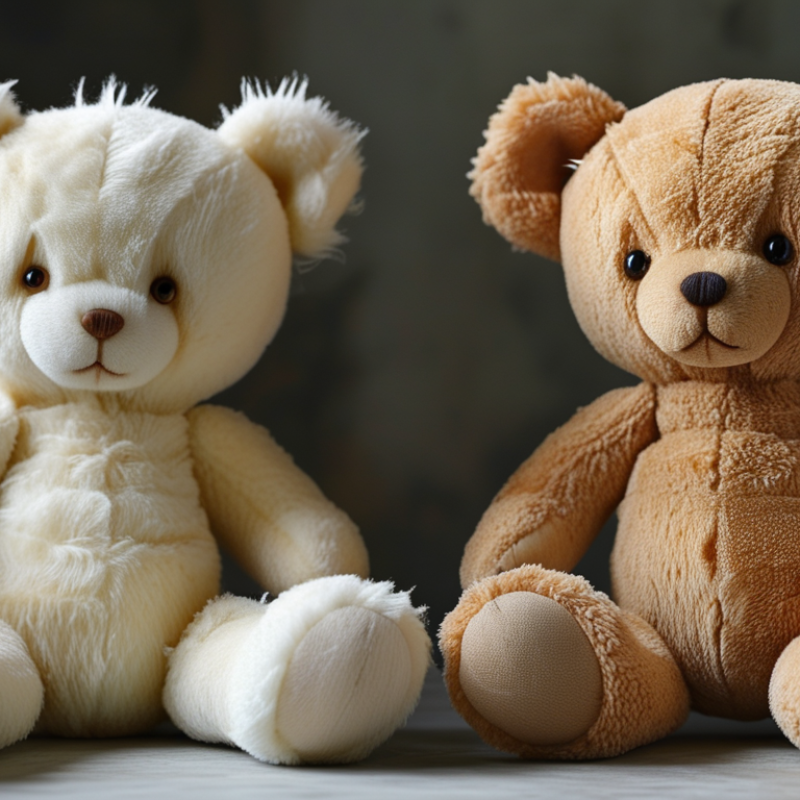
Understanding the Basic Definitions of Plush and Stuffed Animals
When discussing plush and stuffed animals, it’s essential to understand their definitions. Plush animals are typically soft toys made from a fabric called plush, which gives them a velvety feel. These toys are often filled with soft materials, making them appealing for children. In contrast, stuffed animals are broader in definition. They include any toy stuffed with materials, from synthetic fibers to natural fillings, and can have a variety of textures.
Data from the Plush and Stuffed Animal Market Report indicates that the global market for plush toys was valued at approximately $9 billion in 2022. This market segment is expected to grow due to increasing demand among both children and collectors. Notably, plush toys often feature character licensing, which adds to their value. While many people assume all plush toys are stuffed animals, it’s crucial to recognize that not all stuffed animals are plush. Some may utilize alternative materials, impacting the toy's look and feel.
Potential safety concerns exist with some stuffed animals. Reports have pointed out that certain toys may contain harmful chemicals or choking hazards. Parents should always check for safety labels and follow age recommendations when purchasing. The distinction between plush and stuffed animals can influence purchasing decisions. Understanding these nuances not only enhances consumer knowledge but also promotes safer toy choices.
Understanding the Difference Between Plush and Stuffed Animals
This chart illustrates the average price of plush animals compared to stuffed animals, highlighting the general market trends and consumer preferences in the realm of soft toys.
Exploring the Materials Used in Plush vs. Stuffed Toys
When we think about plush and stuffed animals, we often imagine toys that provide comfort. Both types of toys have unique characteristics that set them apart. Plush animals are usually made from softer materials like fleece or velour. These fabrics give them a luxurious feel, perfect for hugging. They often have a smooth, shiny surface that can attract attention.
Stuffed animals, on the other hand, are typically filled with materials like polyester fiber or even beans. This can make them heavier and less flexible than plush toys. Some stuffed toys may also use more rigid materials, lending them a defined shape. This choice of stuffing affects the toy’s overall durability. For instance, a poorly designed stuffed animal might lose its shape over time, leaving it less appealing.
Exploring these differences reveals deeper quality levels in the toy industry. Not all plush or stuffed toys are equal; some might contain harmful materials or poor stitching. It's essential to consider safety and reliability while selecting a toy. Children deserve products made with care and expertise. Understanding the materials helps consumers make informed decisions, ensuring they choose the right toy.
Key Differences in Manufacturing Methods for Plush and Stuffed Animals
Plush and stuffed animals often seem similar, yet their manufacturing methods reveal key differences. Plush toys are typically made from soft, velvety fabrics. These materials are usually synthetic, allowing for vibrant colors and varied textures. The filling often consists of polyester fibers, offering a fluffy, light feel. On the other hand, stuffed animals may use a combination of fabrics, including cotton and other natural fibers. Their fillings can vary more widely, including materials like foam or even wool.
The production process also differs significantly. Plush toys often undergo a simpler manufacturing routine. Fabrics are cut, sewn, and filled efficiently, focusing on mass production. This method emphasizes cost-effectiveness. Conversely, stuffed animals may require more intricate craftsmanship. Artisans often pay close attention to detail, from stitching to facial expressions. Such practices can lead to higher quality and lifespan, but they also mean longer production times.
When considering these differences, it’s essential to reflect on what you value in a toy. Do you prefer the lifelike detail of a stuffed animal or the sensory appeal of a plush toy? Each has its own charm and purpose. Craftspeople strive for perfection, yet slight variances in their products keep the charm alive. The quest for the perfect toy often encounters bumps along the way, reminding us that imperfection can offer unique character.
Understanding the Difference Between Plush and Stuffed Animals? - Key Differences in Manufacturing Methods for Plush and Stuffed Animals
| Feature |
Plush Animals |
Stuffed Animals |
| Material |
Soft synthetic fabrics (like polyester) |
Various materials including cotton, polyester, and filling |
| Filling |
Usually not filled or have minimal filling |
Filled with stuffing materials (like fiberfill) |
| Appearance |
Focus on texture and design |
Emphasis on form and character |
| Durability |
Generally high, resistant to wear |
May vary, depending on quality of materials |
| Target Audience |
All ages, particularly collectors |
Primarily children and young audiences |
Market Trends: Sales Data for Plush and Stuffed Toys Worldwide
In recent years, the global market for plush and stuffed toys has shown notable trends. Sales data reveals a steady increase in demand, with parents favoring plush toys for their softness and huggable nature. The tactile experience is crucial; kids bond with the texture and warmth these toys provide. Such connections promote comfort and emotional security, making these toys favorites among children.
However, not all plush toys are created equal. The distinction between plush and stuffed animals lies primarily in their construction and purpose. Plush toys tend to be softer and often serve decorative or comfort roles. Stuffed animals, on the other hand, may incorporate more robust materials, emphasizing durability. This can impact their sales; parents often prefer toys that last longer. Yet, many consumers overlook the importance of sourcing and safety certifications.
Market trends also indicate a growing push towards eco-friendly options. Brands are increasingly using sustainable materials. However, this shift is still in its infancy. Consumers are often unaware of which materials qualify as eco-friendly. There’s a gap in transparency, leading to questions about sustainability in the industry. It’s essential for the market to address these concerns to foster trust among eco-conscious buyers.
The Psychological Impact of Plush vs. Stuffed Animals on Children
When it comes to children's toys, plush and stuffed animals are beloved companions. Both types bring comfort, but they impact young minds differently. Plush toys are typically softer and more squishy, inviting tactile interaction. Stuffed animals, on the other hand, have a firmer structure, often representing various creatures that spark imagination. This distinction can shape how children engage with them.
The psychological effects of these toys can be profound. Plush animals often serve as a source of emotional support, helping children navigate their feelings. Their soft texture can soothe anxiety and provide a sense of security during tough moments. In contrast, stuffed animals may inspire creative play, allowing children to invent stories and scenarios. This kind of imaginative engagement can foster cognitive development and problem-solving skills.
Yet, not every child will respond positively to these toys. Some may find plush animals too comforting, avoiding challenges. Others might feel overwhelmed when attempting to animate a stuffed animal's character. Each child is unique, and their interaction with these toys requires observation and understanding. Parents should embrace this diversity, recognizing that the impact of both plush and stuffed animals extends beyond mere play.
FAQS
: Plush animals are soft toys made from plush fabric, while stuffed animals include any toy filled with various materials.
Character licensing adds value to plush toys, appealing to both children and collectors.
Plush toys are usually made from soft fabrics like fleece or velour, giving them a luxurious feel.
No, stuffed toys can be filled with various materials, like polyester fiber or beans, affecting their weight and flexibility.
Parents should check for safety labels and age recommendations to avoid harmful chemicals and choking hazards.
There's a growing demand for plush toys due to their softness, but buyers often overlook sourcing and safety certifications.
There’s a lack of transparency on which materials are eco-friendly, confusing consumers about sustainable options.
Not all toys are created equal; some may contain harmful materials or poor stitching, affecting safety and durability.
Children bond with the texture and warmth of plush toys, which promote comfort and emotional security.
Consider safety, material quality, and long-term durability to ensure children receive safe and reliable products.
Conclusion
The article titled "Understanding the Difference Between Plush and Stuffed Animals" delves into several critical aspects that distinguish these two popular types of toys. First, it clarifies the basic definitions of plush and stuffed animals, highlighting their characteristics and common uses. It then explores the materials utilized in their construction, emphasizing how these choices affect texture and durability. Additionally, the article discusses the manufacturing methods, showcasing key differences in production processes.
A significant focus is also placed on market trends, providing insights into global sales data for plush and stuffed toys. Finally, the piece addresses the psychological impact these toys may have on children, shedding light on how they contribute to emotional development and comfort. Overall, the article serves to answer the question, "what is the difference between plush and stuffed animals," by presenting a comprehensive analysis of their features, benefits, and societal relevance.

 Ottoman Toys