Caring for white plush toys can be challenging, especially when stains occur. These beloved items often carry sentimental value, making proper cleaning essential. According to Dr. Emily Foster, a textile care expert, “Understanding how to remove stains from white plush toys is key to preserving their charm and lifespan.”
Finding effective methods can be daunting. Many cleaning products may damage the delicate fabric or lead to discoloration. People often rush into using harsh chemicals, only to regret their choices later. Therefore, it's crucial to take a thoughtful approach.
Exploring gentle, yet powerful techniques can yield impressive results. Utilize items like baking soda or vinegar for safe and efficient cleaning. Learning the right way can enhance your toys' appearance without causing harm. Remember, maintaining these cherished possessions involves patience and careful attention to detail. With the right guidance, you can keep your white plush toys looking pristine for years to come.
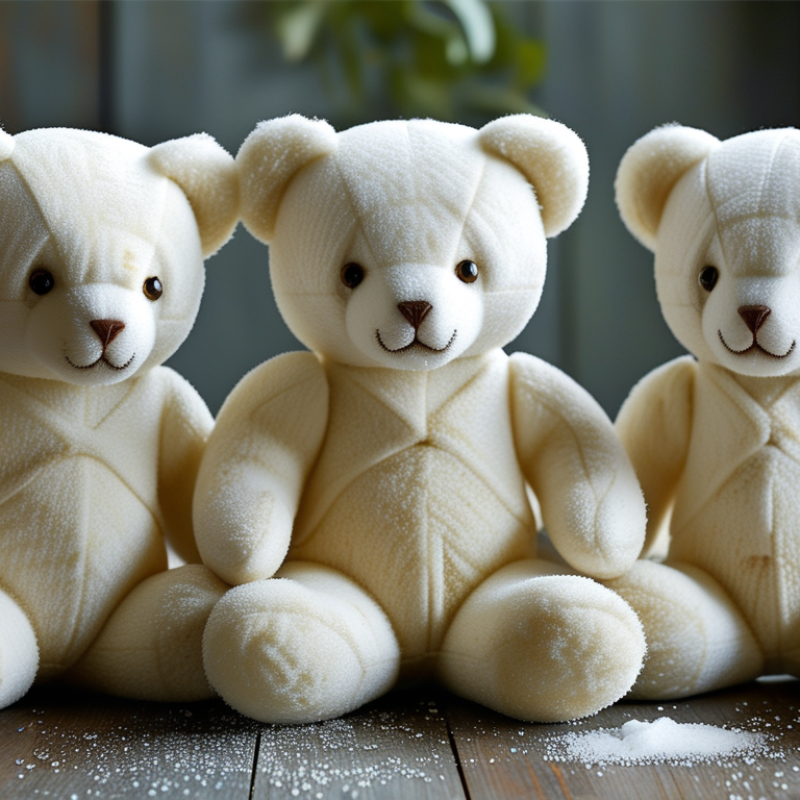
When addressing stains on white plush toys, it's crucial to understand the types of stains that commonly occur. According to the Textile Research Journal, about 70% of all stains are water-based, originating from sources like drinks and sweat. These stains typically penetrate the fibers, making them more challenging to remove. Categories include food spills, bodily fluids, and even dirt. Each requires a tailored approach for effective cleaning.
Oil-based stains, while less frequent, present their own challenges. Research from the American Cleaning Institute states that they can be particularly persistent. These stains stem from sources such as oils, lotions, or grease. Unlike water-based stains, they often resist standard washing methods. Therefore, using specialized cleaning agents for plush toys is advisable. Also, heat can set these stains, complicating their removal.
Color transfer stains are a notable concern as well. A study published in the Journal of Consumer Research highlights that these stains can occur when plush toys are washed with colored items. It’s essential to treat such stains promptly to avoid permanent discoloration. Using cold water and vinegar may help lift these types of stains without damaging the plush fibers. Keeping plush toys looking pristine requires vigilance and care in stain management.
| Type of Stain | Recommended Cleaning Method | Notes |
|---|---|---|
| Food Stains | Diluted dish soap and water | Test on a small area first |
| Ink Stains | Rubbing alcohol on a cotton ball | Blot gently; do not rub |
| Grease Stains | Cornstarch or baby powder | Let it sit for a few hours before brushing off |
| Blood Stains | Cold water and a bit of salt | Always use cold water to avoid setting the stain |
| Chocolate Stains | Mild detergent solution | Rinse thoroughly with cold water afterward |
: A soft brush and a microfiber cloth are essential. Gentle detergents designed for delicate fabrics are important too.
Begin by gently brushing the stained area. Use a solution of warm water and mild detergent applied with a clean cloth.
Yes, but use a delicate cycle and a mesh bag. This minimizes wear and preserves softness.
Hand washing is gentler. It takes more time but is better for delicate fabrics. Use lukewarm water and mild detergent.
Air drying prevents heat damage to plush fibers. Avoid direct sunlight to prevent fading colors.
Test any cleanser on a small area first. Each toy may react differently, so proceed with caution.
Be patient and repeat the spot cleaning process. Sometimes it takes multiple attempts to completely remove stains.
No, avoid bleach or harsh cleansers. They can damage colors and ruin the texture of the fabric.
Regular maintenance and careful cleaning can extend its life. Keep the toy in a clean environment to prevent dirt buildup.
Inspect for fragile seams and possible color bleeding. Older toys may require more gentle and thoughtful cleaning methods.
When it comes to how to remove stains from white plush toys, it's important to first understand the different types of stains you may encounter, such as dirt, oils, or food residues. Identifying the stain type will help you choose the right cleaning method. Essential supplies for cleaning include mild detergents, soft brushes, and clean cloths, which are critical for maintaining the integrity of the plush material.
A step-by-step guide for spot cleaning stains begins with testing any cleaning solution on a hidden area. Next, gently dab the stain and avoid vigorous rubbing to prevent damage. When deciding between machine washing and hand washing, always follow care labels and consider the toy’s construction. Lastly, after washing, drying thoroughly and restoring the fluff of the toy is essential to ensure it looks and feels like new. By following these best practices, you can effectively maintain your white plush toys and keep them looking clean and fresh.

 Ottoman Toys