Best Ways to Disinfect Second Hand Plush Toys?

Time:2026-07-01 Author:Charlotte
0%

Disinfecting second hand plush toys is crucial for child safety and health. Reports indicate that second hand items can harbor pathogens. In fact, studies show that 30% of soft toys examined had significant bacterial presence. This highlights the importance of understanding how to disinfect second hand plush toys effectively.

Choosing the right cleaning methods is essential. Many parents overlook this, believing that washing is enough. However, some techniques can damage delicate fibers or diminish colors. Thus, it’s vital to learn about safe options that preserve both cleanliness and toy integrity.

Parents should also consider the emotional value of plush toys. They often carry memories and comfort for children. Therefore, using harsh chemicals is not advisable. Instead, gentle disinfecting methods can protect the toy’s essence while ensuring a safe play environment. Balancing disinfection and preservation can be challenging. It requires careful thought and precise action to achieve the best results.
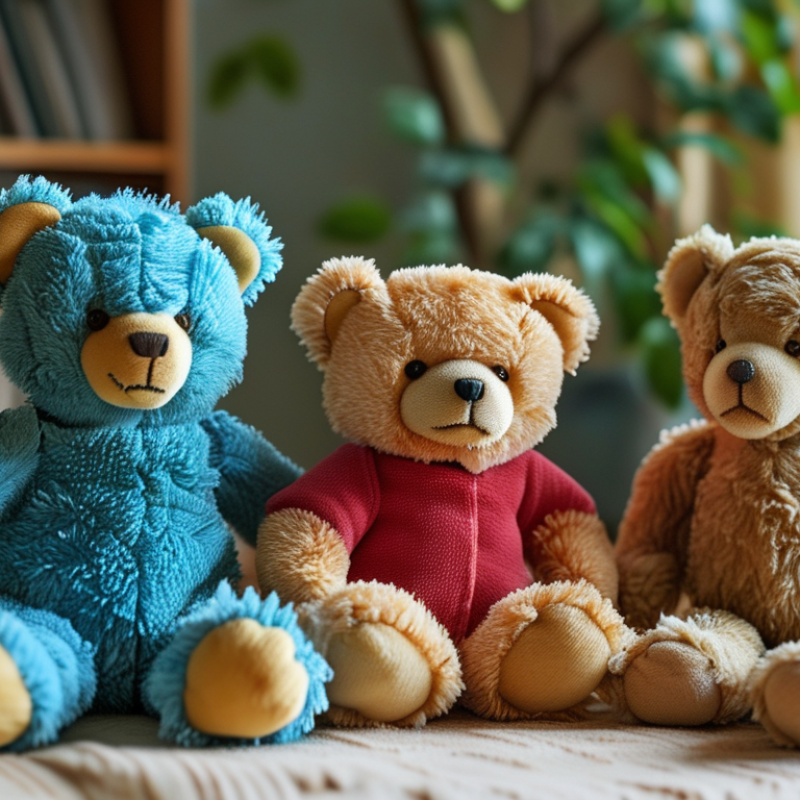
Best Ways to Disinfect Second Hand Plush Toys?

Best Methods for Disinfecting Second Hand Plush Toys

When it comes to disinfecting second-hand plush toys, it’s essential to prioritize safety and effectiveness. Start by checking the care label on the toy. This will guide you on the best cleaning method. For many toys, surface washing with a damp cloth and mild soap works well. A gentle rub removes visible dirt and grime. Rinse with a clean cloth.

Another effective method is soaking. Fill a basin with warm water and add a safe disinfectant. Ensure it’s gentle enough for delicate fabrics. Submerge the plush toy and let it soak for around 10 minutes. Use a soft brush to gently scrub areas with stains or soiling. Rinse thoroughly in clean water to avoid soap residue.

Lastly, air drying is crucial. Placing the toy directly in sunlight can help kill remaining germs. However, stay mindful of the fabric; prolonged exposure can fade colors. If the toy appears overly worn or stained, it might need professional cleaning. Sometimes, the most challenging part is knowing when a toy requires specialized care. Always make informed decisions to ensure the safety of those who will play with the toy.

Understanding the Importance of Disinfecting Used Plush Toys

When it comes to second-hand plush toys, understanding the importance of disinfecting them cannot be overstated. These toys often carry unseen germs, allergens, and dirt from their previous owners. Kids, especially, are prone to placing these toys in their mouths. It creates a need for proper cleaning to ensure safety. Regular washing may not be sufficient. A deeper sanitation process is essential.

Using heat is a great way to disinfect plush toys. Placing them in a dryer on a high heat setting can kill germs. But, not all materials withstand this method. Always check labels for care instructions. If the fabric is delicate, consider a careful spot cleaning with disinfectant wipes. A simple vinegar solution also works wonders. It’s crucial to test any cleaning method on a small area first.

While taking these steps, we shouldn’t overlook the emotional value these toys hold. Many children find comfort in a cherished, well-loved plush. The task of cleaning can sometimes feel daunting. It’s easy to get caught up in perfection. Reflecting on the balance of hygiene and attachment can guide your approach. The goal is to create a clean, safe toy without stripping away its cherished history.

Recommended Cleaning Solutions for Plush Toy Disinfection

When it comes to disinfecting second-hand plush toys, choosing the right cleaning solution is crucial. Most plush toys can be safely washed in a washing machine, but it’s essential to check the care label. For a gentle approach, use mild detergent. This helps preserve the plush material while effectively removing dirt and germs. Add a cup of white vinegar to the rinse cycle to enhance disinfection. Vinegar is a natural disinfectant and eliminates odors.

For toys that cannot be machine-washed, consider using a portable steam cleaner. Steam cleaning is often overlooked but is highly effective. The high temperature kills bacteria and viruses without harsh chemicals. You can also create a simple spray solution using two parts water and one part rubbing alcohol. Test any cleaning solution on a small area first. This ensures that it won’t damage the toy's fabric or color.

After cleaning, let the toys air dry completely. This is important to prevent mold and mildew growth. If the toy is still damp, it becomes a breeding ground for bacteria. Regular inspections of second-hand plush toys are helpful. Look for any signs of wear or damage that might make cleaning ineffective. Addressing these issues promptly ensures the safety and longevity of the toys.

Best Ways to Disinfect Second Hand Plush Toys

This bar chart illustrates the effectiveness of different methods for disinfecting second-hand plush toys, showing their respective effectiveness percentages.

Step-by-Step Guide to Effectively Disinfect Plush Toys

Disinfecting second-hand plush toys can be a vital concern for parents. While these toys are often cherished, they can harbor germs. A study by the Journal of Environmental Health showed that toys can accumulate bacteria, especially in child care settings. This makes effective cleaning essential for safety and health.

Start by inspecting the plush toy for any care labels or instructions. If the toy is machine washable, a thorough wash in hot water is recommended. Consider adding a half cup of white vinegar to the wash cycle. This not only helps in disinfection but also neutralizes odors. For delicate fabrics, spot cleaning with mild soap and water can be effective. Use a clean cloth to dab the mixture onto the toy, avoiding saturation that could cause damage.

For those toys that cannot be washed, a good alternative is using steam cleaners. The high temperatures kill many germs. Additionally, placing the toy inside a sealed bag with baking soda for several hours can help to absorb odors and moisture. After thorough cleaning, letting the toy air out in a sunny spot allows any remaining bacteria to be effectively eliminated. Observing these methods ensures that the plush toys are safe for children. However, remember that not all stains will come out completely, and sometimes, a lasting mark may remain as a reminder of its previous life.

Safety Considerations When Disinfecting Plush Toys for Children

When disinfecting second-hand plush toys for children, safety is paramount. Plush toys can harbor allergens and germs. A study published by the American Academy of Pediatrics noted that nearly 50% of children’s toys hold harmful bacteria. This emphasizes the need for thorough cleaning methods that are also safe.

Utilizing hot water is generally effective. Washing plush toys in hot water can kill most germs. However, it’s crucial to check the toy's material before doing so. Some toys may contain delicate fabrics that can shrink or become damaged. Avoid harsh chemicals, as they can leave harmful residues. The Centers for Disease Control and Prevention (CDC) recommends using a mix of soap and water for a safer disinfection process.

Air drying is often better than machine drying. It helps maintain the toy's shape and reduces wear. However, this also means that toys may take longer to dry. In some cases, parents might overlook the importance of cleaning toys regularly. A survey from the Toy Industry Association indicated that only 30% of parents clean second-hand toys before giving them to their children. Being aware of these facts can help ensure a safer, cleaner play environment for kids.

FAQS

: How should I start disinfecting a second-hand plush toy?

: Check the care label first. It provides essential information on the best cleaning method.

Can I machine wash my plush toy?

If the toy is machine washable, a hot water wash is recommended for effective disinfection.

What if the toy isn’t machine washable?

Use spot cleaning with mild soap and water or a steam cleaner for non-washable toys.

How do I effectively remove odors from plush toys?

Place the toy in a sealed bag with baking soda for several hours to absorb moisture and odors.

Is air drying safe for plush toys?

Yes, air drying helps maintain shape. However, it takes longer and sunlight can fade colors.

What should I avoid when disinfecting plush toys?

Avoid harsh chemicals, as they can leave harmful residues on toys and damage delicate fabrics.

How often should I disinfect plush toys?

Regular cleaning is crucial, but many parents overlook it. Awareness is key for a cleaner play environment.

What if some stains remain after cleaning?

Some stains may not come out completely. A lasting mark might serve as a reminder of the toy’s history.

Why is it essential to disinfect second-hand plush toys?

Toys can harbor allergens and germs. Thorough cleaning keeps children safe while playing with them.

Should I consider professional cleaning for heavily soiled toys?

Yes, if a toy seems overly worn or stained, professional cleaning may be necessary for safety and effectiveness.

Conclusion

When considering how to disinfect second hand plush toys, it's essential to understand the importance of ensuring these items are clean and safe for children. Plush toys can harbor germs and allergens, making disinfection crucial for health. This article outlines the best methods for effectively disinfecting used plush toys, starting with recommended cleaning solutions suitable for various materials.

A step-by-step guide provides clear instructions on the disinfection process, ensuring that all areas of the toy are adequately treated. Additionally, safety considerations are highlighted to protect children during and after the cleaning process, ensuring that the toys are both hygienic and safe for play. Following these guidelines will help parents confidently care for second hand plush toys, providing peace of mind while promoting cleanliness.

Charlotte

Charlotte

Charlotte is a seasoned marketing professional with a deep understanding of the company's portfolio and a passion for elevating its presence in the market. With a keen eye for detail and a commitment to excellence, she ensures that our professional blog is regularly updated with insightful articles......