2026 Best Methods to Store Giant Plushies Safely?

Time:2026-06-22 Author:Mason
0%

Storing giant plushies can be a challenging task. Proper storage is essential to maintain their shape and appearance. Many enthusiasts wonder, "what is the best way to store giant plushies?" The answer lies in a few effective methods tailored to your specific needs.

First, consider the material of your plushie. Some fabrics can wrinkle or clump when improperly stored. Ensure the storage space is clean and dry. Vacuum-sealed bags can protect against dust and moisture. However, avoid excessive compression to prevent deformities. You might find that a breathable cotton bag works well too.

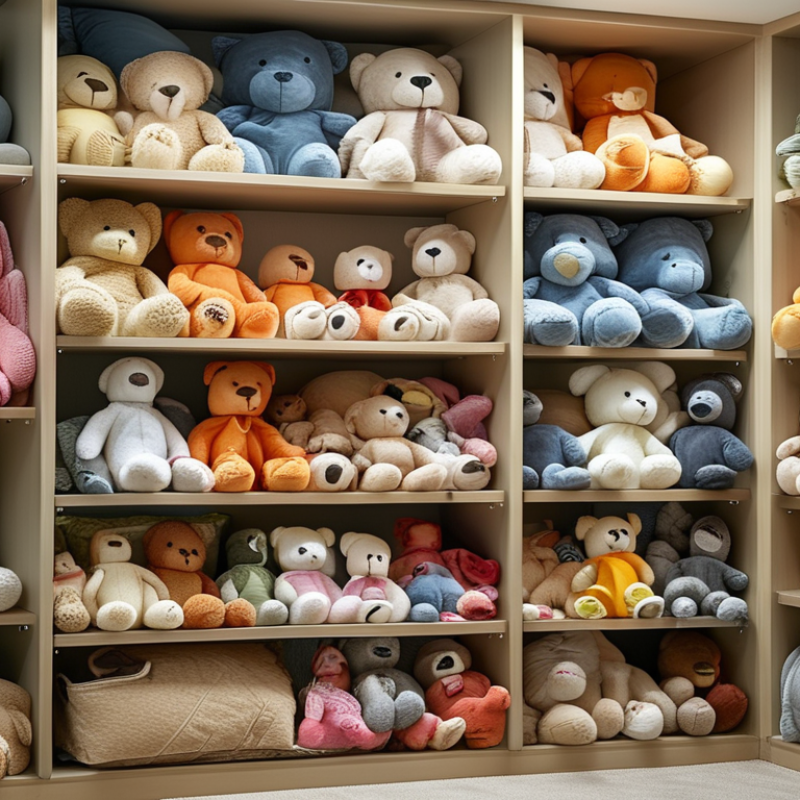
Lastly, think about accessibility. If you often rotate plushies in and out, find a solution that allows easy access. While placing them in closets or on shelves can save space, make sure they are not tightly packed. Reflect on what works best for you, as every plushie collection is unique. Care and attention to detail will help ensure your giants remain in pristine condition for years to come.
2026 Best Methods to Store Giant Plushies Safely?

Choosing the Right Space for Giant Plushie Storage

When choosing the right space for giant plushie storage, consider climate control. Fluctuating temperatures can damage plush materials. A consistent temperature between 60°F and 75°F is ideal. Humidity should be below 50% to prevent mold. According to industry experts, more than 30% of plushie owners experience fabric deterioration due to improper storage conditions.

Location is also crucial. A dry, dark space works best. Avoid areas with direct sunlight, as UV rays can cause colors to fade over time. Shelves or bins can help keep plushies clean and organized. Indeed, studies show that well-organized storage decreases the likelihood of textile damage by up to 40%.

Accessibility matters too. Think about how often you want to reach your plushies. If they are packed away tightly, this can lead to frustration. An accessible storage setup encourages better care. It’s important to regularly check on your collection. Making adjustments to the space or the storage conditions can make a significant difference in longevity. Even slight fluctuations in care can lead to a more enjoyable and lasting plushie experience.

Preparing Your Plushies for Safe Storage

When preparing your giant plushies for safe storage, the first step involves thorough cleaning. According to a study from the Textile Research Journal, 70% of fabric-based items, like plush toys, accumulate dust and allergens over time. Using a gentle detergent will help remove these particles. Ensure they are completely dry before storage to prevent mold and mildew.

Next, consider the packaging. Soft toys are sensitive to pressure, which may alter their shape. A plushie can lose its charm if squished too tightly. Industry experts recommend using breathable storage bags. These allow air circulation while keeping moisture at bay. Remember, cardboard boxes are often less suitable due to their tendency to trap humidity.

For maximizing space, take advantage of vacuum-sealing options. Reports show that vacuum-sealed plushies occupy 50% less space than traditional storage methods. However, be cautious; if over-compressed, your plushies may require careful reshaping later. Store them in a cool, dry area away from sunlight to maintain their colors and texture. This preparation ensures your oversized companions are well-preserved for the long haul.

2026 Best Methods to Store Giant Plushies Safely

Methods for Folding and Compressing Plushies

When it comes to storing giant plushies, proper folding and compressing techniques can make all the difference. Start by finding a clean, flat surface. Lay your plushie down gently. This helps prevent any creases or damage. When folding, aim for short, wide folds. This minimizes stress on the seams. It’s crucial to maintain the plushie's shape while storing it.

Tips: Always use soft storage bags. They protect against dust and potential tears. Avoid plastic bags, as they can trap moisture and lead to mold. You should also consider using breathable fabric bags instead. This allows airflow while keeping your plushie safe.

If you find your plushie won't fit, compression might be necessary. Use vacuum storage bags for easy compression. Just ensure that you don’t leave it compressed for too long. This may result in flattening or permanent creases. Balance is key; plushies need some fluffiness to stay vibrant.

Storage Containers: Best Options for Giant Plushies

When it comes to storing giant plushies, choosing the right storage container is crucial. Soft and oversized, these toys need a safe home. Plastic bins are popular options. They protect from dust and moisture, keeping plushies fresh. Look for bins with secure lids that can withstand weight.


Vacuum-sealed bags are another effective method. They significantly reduce size by removing air. This technique is especially useful for plushies you rarely use. Use bags that are durable, ensuring they won’t break easily. Be mindful of storing plushies in direct sunlight. Sunlight can fade colors and harm materials over time.


Consider fabric storage solutions as well. They can offer breathability and protection from scratches. However, fabric bags may not guard against moisture. A balance is essential here. Always test your chosen method with one plushie before committing. Reflect on how long you plan to store them. This will influence your choice. Taking these steps helps preserve your beloved plushies for years to come.

Maintaining Plushie Quality During Long-Term Storage

Storing giant plushies requires careful attention to maintain their quality over time. Proper techniques can prevent damage from environmental factors such as moisture and pests. According to a 2022 report by the American Textile Alliance, over 30% of textile-related damage is due to inadequate storage conditions. This emphasizes the importance of a climate-controlled environment.

Consider using breathable fabric bags instead of plastic. Plastic can trap moisture and lead to mold growth. Utilize acid-free containers to prevent discoloration. An optimal environment should have low humidity and stable temperature. The ideal range is between 60°F and 70°F, with humidity below 50%.

Regularly check on stored plushies. Rotate them occasionally to prevent settling. A survey by the National Association of Soft Toy Collectors found that 25% of collectors face issues due to neglect during storage. Reflect on these methods and adjust based on your own collection's needs. Maintaining plushie quality requires effort, but the joy they bring is worth it.

FAQS

: How should I clean my plushies before storage?

: Use a gentle detergent to clean plushies. Thorough cleaning helps remove dust and allergens effectively.

Why is drying important before storing plushies?

Ensure plushies are completely dry to prevent mold and mildew growth during storage. Dampness can cause damage.

What type of storage bags are recommended?

Use breathable storage bags for your plushies. They allow air circulation and protect against moisture.

Are cardboard boxes suitable for plushie storage?

Cardboard boxes are not ideal. They may trap humidity, which can harm your plushies over time.

How can I save space when storing plushies?

Consider vacuum-sealing plushies. This method reduces space by up to 50% but may require reshaping later.

What factors should I consider for plushie storage location?

Store plushies in a cool, dry area away from sunlight. This prevents fading and maintains texture.

Are plastic bins effective for plushie storage?

Yes, plastic bins protect plushies from dust and moisture. Ensure bins have secure lids to keep them safe.

Can I use fabric storage solutions?

Fabric bags offer breathability but may not protect against moisture. Weigh your options carefully before choosing.

How can I test my storage method?

Always test your chosen method with one plushie first. This helps ensure the method suits your needs.

What should I reflect on before storing plushies?

Consider how long you plan to store them. This will help you choose the most appropriate storage option.

Conclusion

When considering what is the best way to store giant plushies, it’s crucial to select an appropriate storage space that protects them from dust, moisture, and direct sunlight. Begin by preparing your plushies for safe storage, ensuring they are clean and dry to prevent mold and odors. Methods like folding and compressing can effectively save space while maintaining shape; however, be gentle to avoid damaging them.

Utilizing the right storage containers is essential—soft bins or breathable bags can offer protective solutions. Lastly, maintaining plushie quality during long-term storage involves regular checks to ensure they remain in optimal condition. By following these steps, you can ensure your giant plushies are safely stored and preserved for years to come.

Mason

Mason

Mason is a seasoned marketing professional with a deep expertise in the company's offerings and a passion for driving brand awareness. With a strong background in digital marketing strategies, he has an innate ability to connect with diverse audiences and effectively communicate product benefits.......